
When disaster strikes, the ability to communicate can mean the difference between chaos and coordinated response, between isolation and community support.

In an era where natural disasters, pandemics, cyberattacks, and infrastructure failures have become increasingly common, the need for resilient communication systems has never been more critical. Organizations, communities, and families must prepare for scenarios where traditional communication channels fail, ensuring they can maintain connections when it matters most.
Building a robust crisis communication framework requires understanding vulnerabilities, implementing redundant systems, and establishing clear protocols that can withstand the unexpected. This comprehensive approach to emergency preparedness transforms how we think about staying connected during life’s most challenging moments.
🔍 Understanding Communication Vulnerabilities During Crises
Traditional communication infrastructure reveals its fragility during emergencies. Power outages disable cell towers, natural disasters damage fiber optic cables, and overwhelming traffic congests networks as everyone tries to reach loved ones simultaneously. Recognizing these vulnerabilities represents the first step toward building resilience.
Cell phone networks often become the first casualty of widespread emergencies. During Hurricane Katrina, approximately 38 million phone calls failed to connect in the disaster area. Similarly, the 2011 earthquake in Japan overwhelmed mobile networks within minutes, leaving millions unable to communicate despite having functioning devices.
Internet-dependent services face similar challenges. Cloud-based communication platforms require stable connections and functioning data centers. When regional infrastructure fails, these services become inaccessible, leaving organizations scrambling for alternatives they haven’t tested or prepared.
The Cascade Effect of Communication Failure
Communication breakdowns trigger cascading failures across emergency response systems. First responders cannot coordinate effectively, hospitals struggle to manage patient influx, and families remain separated without updates. The psychological impact compounds the physical crisis, as uncertainty amplifies fear and anxiety.
Businesses experience operational paralysis without reliable communication. Supply chains break down, remote workers become isolated, and critical decision-making grinds to a halt. The financial impact extends far beyond the immediate crisis, with recovery times directly correlating to communication restoration speed.
📡 Building Multi-Layered Communication Infrastructure
Resilient communication systems embrace redundancy as a core principle. Rather than relying on a single channel, effective crisis communication strategies incorporate multiple independent systems that can function when others fail. This layered approach ensures at least one pathway remains operational during emergencies.
The foundation begins with diverse communication technologies. Cellular networks, landlines, satellite phones, radio systems, and internet-based platforms each offer unique strengths and weaknesses. Understanding these characteristics allows organizations to select appropriate combinations for their specific risk profiles.
Traditional and Emerging Technologies Combined
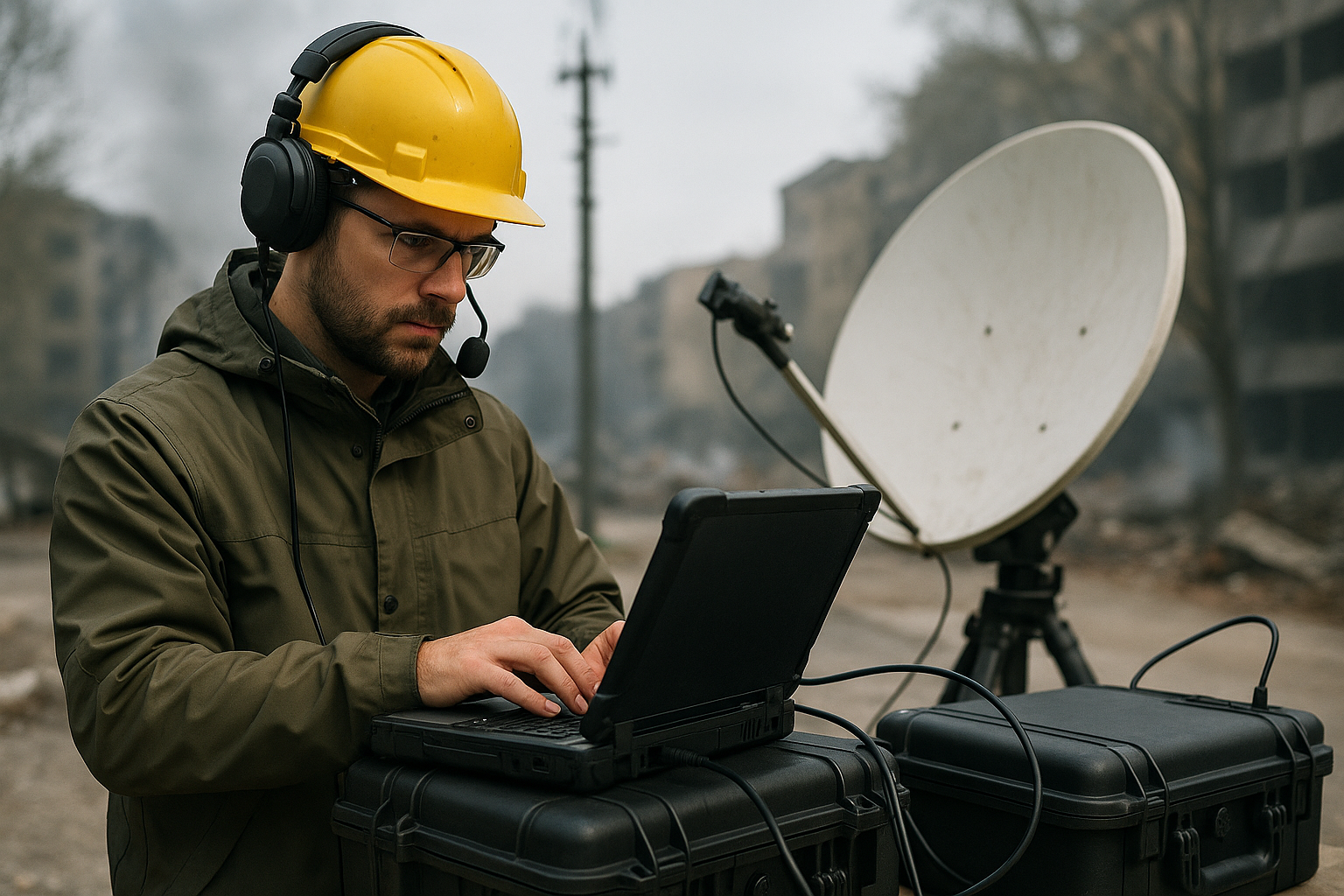
Satellite communication systems provide critical backup when terrestrial infrastructure fails. Modern satellite phones and terminals have become more affordable and user-friendly, making them practical additions to emergency preparedness kits. These devices function independently of local infrastructure, maintaining connectivity even in completely isolated scenarios.
Ham radio networks represent time-tested resilience. Amateur radio operators have provided emergency communications for decades, offering free, license-based networks that operate without commercial infrastructure. Many organizations now train staff in basic radio operation, creating internal communication capabilities that survive most disasters.
Mesh networking technology offers innovative solutions for localized communication. These systems create device-to-device networks without requiring centralized infrastructure, allowing communities to maintain local communications even when broader systems fail. Applications leveraging Bluetooth and WiFi Direct enable message passing across networks of nearby devices.
💬 Establishing Clear Communication Protocols
Technology alone cannot ensure effective crisis communication. Organizations must establish clear protocols that everyone understands and practices regularly. These guidelines define who communicates what information, through which channels, and under what circumstances.
Communication hierarchies prevent confusion during chaotic situations. Designated spokespersons ensure consistent messaging, while established escalation paths guarantee critical information reaches decision-makers. These structures must remain simple enough that stressed individuals can follow them without extensive training.
The Communication Decision Tree
Effective protocols include decision trees guiding communicators through channel selection based on circumstances. If cellular networks fail, the protocol automatically shifts to satellite or radio systems. If those prove unavailable, predetermined physical meeting points become the fallback option.
Message prioritization ensures critical information receives transmission first. Medical emergencies, immediate safety threats, and resource coordination take precedence over status updates and general information. Clear priority systems prevent important messages from drowning in communication overflow.
🏢 Organizational Resilience Through Communication Planning
Businesses and institutions require comprehensive communication continuity plans addressing both internal coordination and external stakeholder communication. These plans must account for scenarios ranging from localized incidents to regional catastrophes affecting multiple locations simultaneously.
Internal communication systems need particular attention. Employees scattered across locations, working remotely, or traveling require reliable ways to check in, receive instructions, and report status. Many organizations maintain dedicated emergency communication platforms separate from daily business systems.
Employee Accountability Systems
Modern accountability platforms enable rapid employee status assessment during crises. These systems send automated notifications through multiple channels, collecting responses that help organizations quickly identify who needs assistance. The best systems function across various communication mediums, adapting to available infrastructure.
Contact information databases require regular maintenance and redundant storage. Organizations should maintain offline copies of critical contact lists, ensuring access even when digital systems fail. These lists must include alternative contact methods beyond primary phone numbers and email addresses.
| Communication System | Strengths | Limitations | Best Use Cases |
|---|---|---|---|
| Cellular Networks | Widely accessible, familiar interface | Vulnerable to overload and power outages | Initial crisis response, routine emergencies |
| Satellite Phones | Independent infrastructure, global coverage | Expensive, requires line-of-sight to sky | Remote locations, infrastructure failures |
| Radio Systems | No infrastructure needed, reliable | Requires training and licensing | Local coordination, long-term outages |
| Mesh Networks | Decentralized, community-based | Limited range, adoption required | Neighborhood communication, protests |
👨👩👧👦 Family and Community Communication Strategies
Households need crisis communication plans as much as organizations do. Families should establish predetermined contact protocols, including out-of-area contacts who can serve as information hubs when local communication proves difficult.
The out-of-area contact strategy leverages the fact that local disasters often leave long-distance communication functioning. Family members check in with a designated relative or friend in another region, who then coordinates information sharing among dispersed family members.
Creating Family Communication Kits
Physical communication preparedness includes assembling emergency kits with backup devices and information. Battery-powered or hand-crank radios ensure access to emergency broadcasts. Portable battery packs keep mobile devices charged when grid power fails. Written contact lists survive digital device failures.
Community communication networks extend resilience beyond individual households. Neighborhood organizations, faith communities, and local groups that establish communication protocols create social safety nets. These networks often prove most effective for checking on vulnerable individuals and coordinating local resources.
🔐 Securing Crisis Communication Systems
Security considerations become paramount during crises when bad actors exploit chaos. Communication systems must balance accessibility with protection against misinformation, unauthorized access, and malicious interference. Encryption and authentication prevent sensitive information from falling into wrong hands.
Verification protocols combat misinformation that spreads rapidly during emergencies. Establishing trusted information sources and teaching stakeholders to recognize official communications reduces confusion. Digital signatures, predetermined code words, and verified accounts all contribute to information authenticity.
Privacy in Emergency Communications
Privacy concerns don’t disappear during crises. Organizations must protect personal information even when sharing emergency communications. Compliance with data protection regulations continues during disasters, requiring systems that maintain security while enabling rapid information sharing.
Cybersecurity vulnerabilities often increase during crises as security protocols receive less attention. Maintaining robust security practices prevents disasters from compounding through data breaches or system compromises. Regular security audits of emergency communication systems identify vulnerabilities before crises expose them.
🎯 Testing and Training: Making Plans Reality
The most sophisticated communication systems fail without proper training and regular testing. Organizations must conduct exercises that simulate realistic crisis scenarios, identifying weaknesses in plans before real emergencies expose them. These drills should include communication failures, forcing participants to use backup systems.
Tabletop exercises offer low-cost opportunities to test communication protocols. Participants walk through scenarios, discussing responses and identifying gaps in plans. These sessions reveal assumptions that don’t hold during actual crises and highlight areas requiring additional resources or training.
Full-Scale Communication Drills
Comprehensive drills test actual system functionality under simulated crisis conditions. Organizations intentionally disable primary communication channels, requiring staff to activate backup systems. These exercises reveal technical issues, training gaps, and procedural weaknesses that smaller tests miss.
After-action reviews transform exercises into learning opportunities. Teams analyze what worked, what failed, and why. Honest assessment leads to plan improvements, addressing identified weaknesses before they matter. Regular review cycles ensure plans evolve with changing technologies and organizational needs.
🌐 Leveraging Social Media Responsibly During Crises
Social media platforms have become integral to crisis communication despite their limitations. These channels enable rapid information dissemination and facilitate community coordination when used strategically. However, they require careful management to combat misinformation and maintain message control.
Organizations should establish official social media presence before crises occur, building follower bases that provide ready audiences during emergencies. Verification badges and consistent branding help stakeholders identify legitimate accounts amid confusion. Regular posting maintains engagement and trains followers to check official accounts for updates.
Social Listening and Situational Awareness
Monitoring social media during crises provides valuable situational awareness. Real-time reports from affected individuals supplement official information sources, highlighting emerging issues and unmet needs. Social listening tools aggregate these dispersed reports, creating comprehensive pictures of evolving situations.
Responding to social media inquiries requires dedicated resources during crises. Automated responses acknowledge messages while directing people to detailed information sources. Human responders handle specific questions and provide personalized assistance, maintaining communication even when overwhelmed with inquiries.
📱 Mobile Technology as Crisis Communication Foundation
Smartphones have become essential crisis communication tools, combining multiple communication channels in pocket-sized devices. Their ubiquity makes them natural focal points for emergency preparedness, though their dependence on infrastructure creates vulnerabilities requiring mitigation strategies.
Emergency alert systems leverage mobile technology to broadcast warnings directly to devices in affected areas. These systems bypass network congestion, delivering critical information even when person-to-person communication fails. Organizations should integrate these capabilities into broader communication strategies.
Offline Mobile Capabilities
Modern applications increasingly incorporate offline functionality, allowing continued utility when network connectivity fails. Offline maps help navigation without data connections. Downloaded emergency guides provide critical information. Pre-loaded contact lists enable quick reference without cloud access.
Battery management becomes crucial during extended crises. Users should understand power-saving techniques, including reducing screen brightness, disabling unnecessary features, and prioritizing essential communications. Portable charging solutions extend device utility when grid power remains unavailable.
🔄 Continuous Improvement Through Lessons Learned
Every crisis provides opportunities to improve communication systems. Organizations should systematically capture lessons learned, documenting what worked and what failed. These insights drive iterative improvements, gradually strengthening resilience through accumulated experience.
Post-crisis debriefings should involve all stakeholders, from leadership to frontline responders. Different perspectives reveal diverse aspects of communication performance. Frontline staff often identify practical issues that planners overlook, while leadership recognizes strategic gaps requiring attention.
Building Institutional Knowledge
Documented lessons learned create institutional knowledge that survives personnel changes. New team members learn from past experiences without repeating mistakes. This knowledge base becomes particularly valuable for rare but severe events where direct experience remains limited.
Sharing lessons learned across organizations and communities multiplies improvement opportunities. Industry associations, professional networks, and community groups that exchange crisis experiences help everyone strengthen preparedness. Collaborative learning accelerates progress beyond what isolated organizations achieve independently.
🚀 Future-Proofing Crisis Communication Systems
Emerging technologies continuously reshape crisis communication possibilities. Organizations must balance investing in proven systems with exploring innovations that might enhance resilience. This forward-looking approach ensures communication capabilities evolve alongside changing threats and opportunities.
Artificial intelligence and machine learning offer promising applications in crisis communication. Automated translation breaks language barriers during international emergencies. Predictive analytics identify communication challenges before they escalate. Chatbots handle routine inquiries, freeing human responders for complex situations requiring judgment and empathy.
Fifth-generation cellular networks promise improved resilience through enhanced capacity and reduced latency. However, organizations should avoid overreliance on any single technology generation. Maintaining compatibility with older systems ensures broader reach and provides fallback options when newer technologies prove unavailable.
💪 Transforming Vulnerability Into Preparedness
Building resilient communication systems represents an ongoing commitment rather than a one-time project. Technologies evolve, threats change, and organizations grow. Effective crisis communication requires sustained attention, regular investment, and continuous refinement.
The investment pays dividends beyond crisis response. Organizations with robust communication systems enjoy improved daily operations, as redundancy and clarity benefit routine activities. Employees feel more secure knowing their employers prioritize safety and connectivity. Communities strengthen through preparedness collaboration.
Starting the journey toward communication resilience begins with honest assessment of current capabilities and vulnerabilities. Small improvements accumulate into significant enhancements over time. Every step forward reduces risk and strengthens the social fabric connecting us during our most challenging moments.
Resilient communication systems ultimately represent investments in human connection and community strength. They acknowledge our interdependence and commit to maintaining the bonds that sustain us through adversity. In preparing for crises, we create more connected, responsive, and caring communities that thrive in both calm and chaos. 🌟