Smart cities are reshaping urban living, but their success depends on integrating public safety with innovative technology to create secure, efficient, and livable environments.

🏙️ The Foundation of Smart City Evolution
Modern urban centers face unprecedented challenges as populations grow and resources become strained. The concept of smart cities emerged as a solution, leveraging technology to improve infrastructure, services, and quality of life. However, the most successful implementations recognize that technological advancement must go hand-in-hand with public safety considerations. Without this integration, even the most sophisticated urban systems can fail to protect their most valuable asset: the citizens themselves.
Public safety in smart cities extends far beyond traditional law enforcement. It encompasses emergency response systems, disaster preparedness, traffic management, environmental monitoring, and health services coordination. When these elements are woven into the fabric of urban design from the beginning, cities become not just smarter, but genuinely safer and more resilient.
The Convergence of Technology and Safety Infrastructure
The integration of public safety into smart city design requires a fundamental shift in how urban planners approach development. Traditional city planning often treated safety as an afterthought, something to be added once infrastructure was in place. Today’s approach recognizes that safety systems must be embedded into the technological backbone of the city itself.
This convergence manifests in several key areas. Internet of Things (IoT) sensors distributed throughout urban environments collect real-time data on everything from air quality to pedestrian traffic patterns. Advanced analytics platforms process this information to identify potential hazards before they become emergencies. Communication networks ensure that first responders, city officials, and residents can coordinate effectively during crises.
Real-Time Monitoring and Predictive Analytics 📊
One of the most powerful tools in the smart city safety arsenal is the ability to monitor conditions continuously and predict problems before they escalate. Environmental sensors detect gas leaks, chemical spills, or dangerous air quality levels instantly. Traffic cameras and AI-powered analysis systems identify accidents or congestion patterns that could lead to dangerous situations.
Predictive policing algorithms, when implemented ethically and with appropriate oversight, can help law enforcement allocate resources more effectively. These systems analyze historical crime data, social factors, and environmental conditions to identify areas that may require increased attention. However, cities must balance these capabilities with privacy concerns and ensure that technology enhances rather than replaces community-oriented policing approaches.
Emergency Response Systems in the Digital Age
When emergencies occur, every second counts. Smart cities leverage technology to dramatically reduce response times and improve coordination among different agencies. Integrated emergency management platforms provide dispatchers with comprehensive situational awareness, including real-time locations of emergency vehicles, available resources, and potential hazards along response routes.
Next-generation 911 systems accept not just voice calls but also text messages, images, and video, providing responders with crucial information before they arrive on scene. Automated systems can trigger predetermined responses based on the type of emergency, such as adjusting traffic signals to clear paths for ambulances or alerting hospitals to prepare for incoming patients.
Connected Infrastructure for Faster Intervention 🚨
Smart traffic management systems play a critical role in emergency response. Connected traffic lights can create green corridors for emergency vehicles, significantly reducing travel time. Digital signage alerts drivers to clear lanes and provides alternate route information to prevent congestion around incident scenes.
Building management systems in smart cities communicate directly with emergency services, providing floor plans, occupancy data, and information about hazardous materials or vulnerable populations. This intelligence allows firefighters, paramedics, and police to develop better strategies before entering potentially dangerous situations.
Community Engagement and Citizen Empowerment
The most effective smart city safety initiatives recognize that technology alone cannot create secure communities. Residents must be active participants in their own safety. Mobile applications enable citizens to report problems, receive emergency alerts, and access real-time information about conditions in their neighborhoods.
Community policing gets a technological boost through platforms that facilitate direct communication between law enforcement and residents. These tools help build trust and ensure that police presence is responsive to actual community needs rather than assumptions. Neighborhood watch programs extend their reach through digital coordination, allowing residents to share information and look out for each other more effectively.
Transparency and Trust Building 🤝
Smart cities must balance surveillance capabilities with privacy protections and transparency. Public dashboards that share crime statistics, response times, and other safety metrics help residents understand how their city is performing. Open data initiatives allow researchers, journalists, and concerned citizens to analyze patterns and hold officials accountable.
Clear policies governing data collection, retention, and use are essential for maintaining public trust. Cities that implement facial recognition or other biometric technologies must establish robust oversight mechanisms and provide residents with meaningful input into how these tools are deployed.
Resilience Against Natural and Man-Made Disasters
Climate change and evolving security threats require cities to prepare for a wide range of potential disasters. Smart city infrastructure provides unprecedented capabilities for disaster preparedness, response, and recovery. Weather monitoring systems offer early warnings for storms, floods, and extreme heat events, giving residents time to seek shelter or evacuate.
Critical infrastructure such as power grids, water systems, and communication networks incorporate redundancy and self-healing capabilities. When components fail, automated systems reroute services to maintain functionality. Distributed energy generation through solar panels and battery storage ensures that essential services remain operational even when central power plants go offline.
Coordinated Evacuation and Shelter Management 🌪️
During large-scale emergencies requiring evacuation, smart city systems coordinate the movement of thousands or millions of people. Dynamic routing algorithms identify the safest and fastest routes out of danger zones. Real-time occupancy monitoring at shelters prevents overcrowding and ensures that resources are distributed where they’re needed most.
After disasters, damage assessment technologies including drones and satellite imagery help officials prioritize recovery efforts. Digital platforms coordinate volunteers, donations, and aid distribution, ensuring that help reaches those who need it most efficiently.
The Role of Artificial Intelligence in Urban Safety
Artificial intelligence is transforming how cities approach public safety challenges. Machine learning algorithms detect patterns in massive datasets that would be impossible for humans to identify. These systems can predict equipment failures in critical infrastructure, identify potential security threats, and optimize resource allocation across the entire urban landscape.
AI-powered video analytics can monitor public spaces for unusual activity, abandoned objects, or people in distress without requiring constant human attention. When something noteworthy occurs, the system alerts operators who can assess the situation and respond appropriately. This approach allows cities to enhance security while using human resources more efficiently.
Ethical Considerations and Algorithmic Accountability ⚖️
The power of AI comes with significant responsibilities. Algorithms trained on biased historical data can perpetuate or even amplify existing inequalities. Smart cities must implement rigorous testing and ongoing monitoring to ensure that automated systems treat all residents fairly regardless of race, income, or other demographic factors.
Explainability is crucial for maintaining public trust. When AI systems influence decisions about law enforcement deployment, emergency response, or resource allocation, officials must be able to understand and explain the reasoning behind those recommendations. Black-box algorithms that produce outcomes without transparent logic are incompatible with democratic governance.
Cybersecurity as Physical Security
As cities become more connected and dependent on digital systems, cybersecurity becomes inseparable from physical security. A successful cyberattack on urban infrastructure could disrupt water supplies, cause traffic chaos, or compromise emergency communications. Smart cities must treat their digital infrastructure with the same seriousness as roads, bridges, and power plants.
Defense in depth strategies create multiple layers of security, ensuring that breaching one system doesn’t give attackers access to everything. Regular security audits, penetration testing, and incident response planning help cities identify vulnerabilities before malicious actors exploit them.
Protecting Critical Infrastructure Networks 🔒
Essential services require additional protection measures. Air-gapped systems isolate the most critical controls from internet-connected networks. Multi-factor authentication and strict access controls limit who can modify system parameters. Continuous monitoring detects anomalous behavior that might indicate a breach in progress.
Collaboration among cities, national governments, and private sector partners helps share threat intelligence and best practices. Cyberattacks often target multiple cities using similar tactics, so information sharing allows municipalities to learn from each other’s experiences and strengthen collective defenses.
Economic and Social Benefits of Integrated Safety Design
Investing in public safety infrastructure generates returns that extend far beyond prevented crimes or faster emergency response. Safe cities attract businesses, talent, and investment. Property values rise in areas where residents feel secure. Tourism flourishes when visitors are confident in their wellbeing.
Healthcare costs decline as preventive measures reduce injuries and illnesses. Traffic management systems that prevent accidents save lives and reduce the economic burden of collisions. Environmental monitoring that identifies pollution sources protects public health and reduces long-term treatment costs.
Creating Equitable Access to Safety Technologies 🌐
The benefits of smart city safety systems must reach all neighborhoods, not just wealthy areas. Deliberate efforts to ensure equitable deployment prevent the creation of digital divides where some communities enjoy cutting-edge protection while others are left behind. This requires strategic investment planning and ongoing assessment of service distribution.
Public-private partnerships can help extend advanced safety systems to underserved areas. Technology companies gain opportunities to test and refine their solutions while cities expand coverage without bearing the entire financial burden. Community input ensures that deployments address actual needs rather than imposing solutions from outside.
Looking Toward the Future of Urban Safety
The integration of public safety into smart city design is still evolving. Emerging technologies like 5G networks, edge computing, and quantum encryption will enable capabilities that seem futuristic today. Autonomous vehicles communicating with traffic infrastructure could virtually eliminate accidents. Advanced sensors might detect health emergencies before individuals even realize they’re in trouble.
However, technology will never completely replace the human elements of public safety. Community relationships, professional judgment, and empathetic service remain essential. The goal is not to create automated cities where algorithms make every decision, but rather to provide people with better tools for keeping themselves and their neighbors safe.
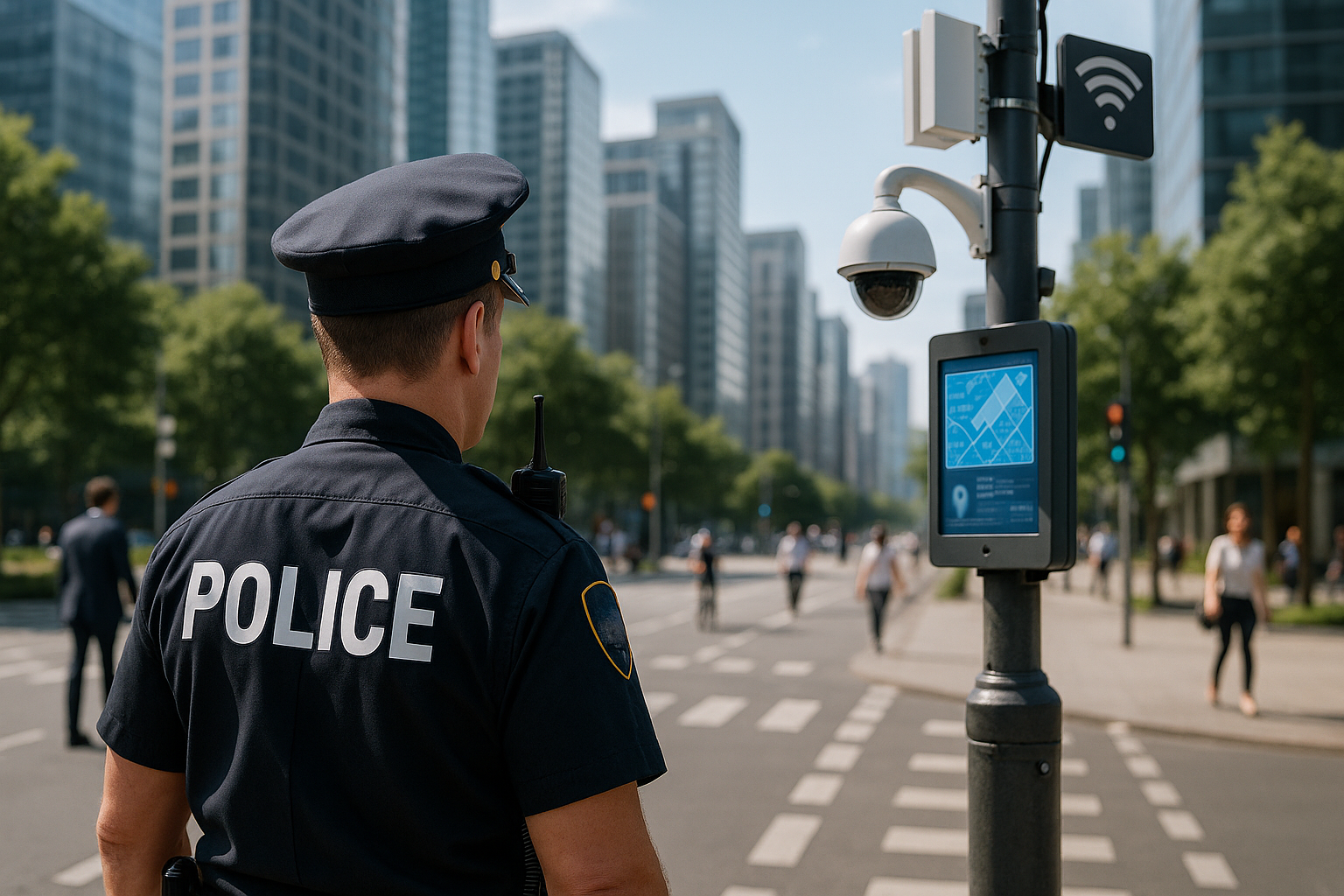
Building Cities That Work for Everyone 🏘️
The true measure of a smart city’s success is whether it improves life for all residents. Public safety integration enhances urban design by creating environments where people feel secure enough to participate fully in community life. Children can play outside. Businesses can operate without excessive security costs. Cultural events bring diverse populations together without fear.
This vision requires ongoing commitment from city leadership, technology providers, law enforcement, and residents themselves. It demands investments in both infrastructure and people, recognizing that the most sophisticated systems are only as effective as those who operate and maintain them. It requires balancing innovation with privacy, efficiency with equity, and security with freedom.
The cities that successfully integrate public safety with smart design will set the standard for urban living in the 21st century. They will demonstrate that technology, when thoughtfully implemented with human needs at the center, can create communities that are not just more efficient, but genuinely better places to live, work, and raise families. The future of urban life depends on our ability to make our cities both smart and safe, recognizing that these goals are not competing priorities but complementary elements of successful metropolitan design.