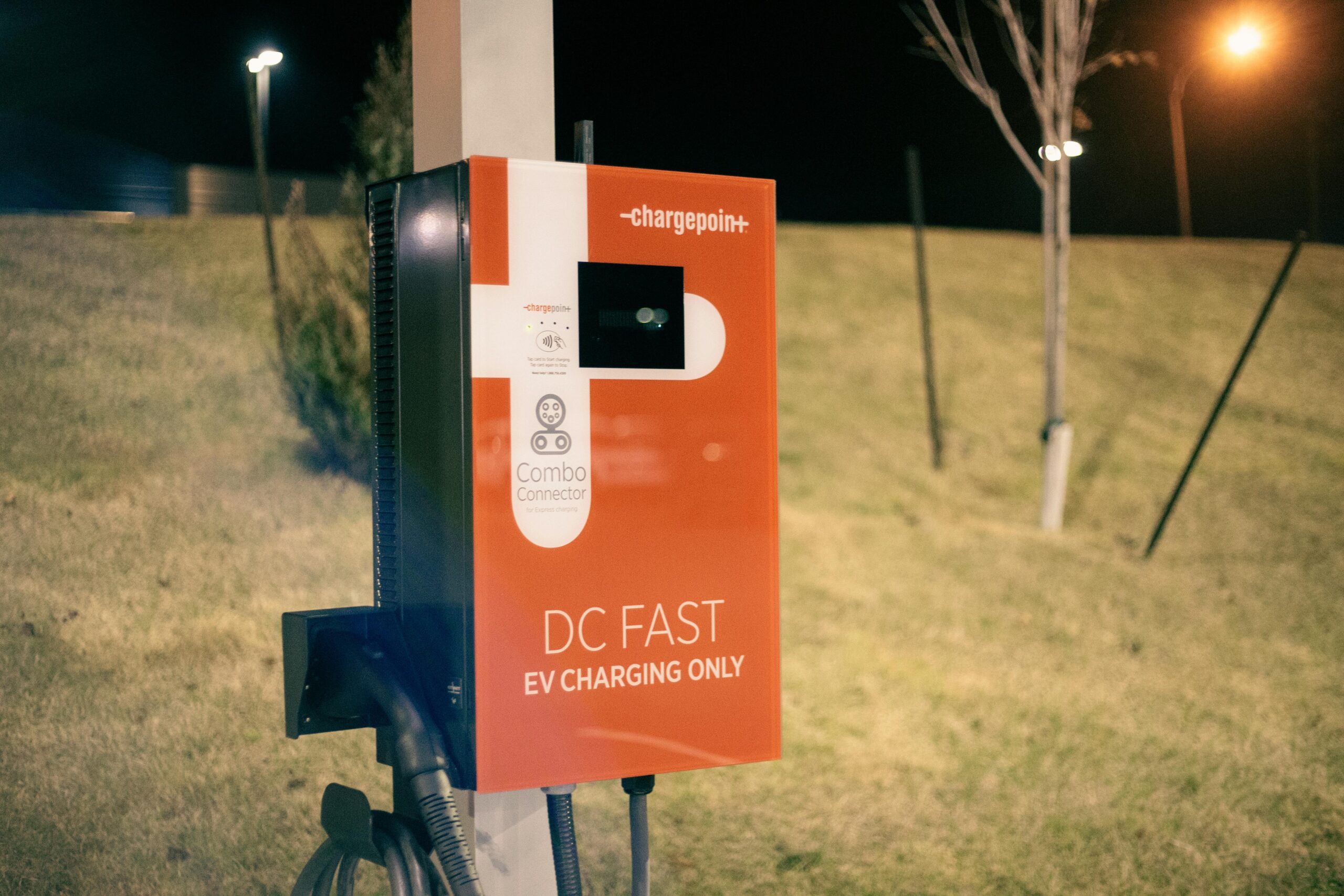
5G technology is reshaping emergency response systems worldwide, enabling faster communication, real-time data sharing, and life-saving interventions that were previously impossible with older networks.

🚨 The Dawn of a New Era in Emergency Response
Emergency situations demand split-second decisions and flawless communication. When every moment counts, the difference between life and death often hinges on how quickly first responders receive critical information and coordinate their actions. Traditional communication networks, while revolutionary in their time, are now showing their limitations in an increasingly complex and data-intensive world.
The arrival of 5G technology represents a fundamental shift in how emergency services operate. With speeds up to 100 times faster than 4G, latency reduced to milliseconds, and the capacity to connect millions of devices simultaneously, 5G is not just an incremental improvement—it’s a complete transformation of emergency communication infrastructure.
From paramedics accessing patient medical histories in transit to firefighters using augmented reality to navigate smoke-filled buildings, 5G is enabling capabilities that sound like science fiction but are rapidly becoming standard practice in forward-thinking emergency services worldwide.
Understanding the 5G Advantage in Critical Situations
To appreciate how 5G revolutionizes emergency response, we must first understand what makes it fundamentally different from previous generations of wireless technology. The three pillars of 5G—enhanced mobile broadband, ultra-reliable low-latency communication, and massive machine-type communications—each play a crucial role in transforming emergency services.
Speed That Saves Lives ⚡
5G networks can deliver download speeds exceeding 10 Gbps under optimal conditions, with average speeds consistently reaching 1-2 Gbps in real-world deployments. For emergency responders, this means transmitting high-definition video feeds from accident scenes, downloading detailed building blueprints, or sharing medical imaging in seconds rather than minutes.
Consider a paramedic attending to a stroke victim. With 5G connectivity, they can instantly transmit CT scan images from a portable device to the hospital’s neurology team, enabling doctors to prepare for immediate intervention and potentially preventing permanent brain damage. This kind of bandwidth-intensive communication was simply impractical with 4G networks.
Latency: The Invisible Game-Changer
Perhaps even more critical than speed is latency—the delay between sending and receiving data. 5G networks achieve latency as low as 1 millisecond, compared to 30-50 milliseconds for 4G. This near-instantaneous communication enables real-time applications that require immediate feedback.
For remote-controlled emergency equipment, including drones surveying disaster areas or robots entering hazardous environments, this minimal latency is essential. Operators can control these devices with the same responsiveness as if they were physically present, making dangerous rescue operations safer and more effective.
Real-Time Situational Awareness Through Connected Ecosystems
Modern emergency response is no longer about isolated responders making decisions with limited information. 5G enables the creation of comprehensive situational awareness platforms that aggregate data from countless sources, providing decision-makers with a complete operational picture.
IoT Sensors Creating Smart Safety Networks 📡
Cities deploying 5G infrastructure are simultaneously installing networks of Internet of Things sensors that monitor everything from air quality and traffic patterns to structural integrity of buildings and water levels in flood-prone areas. These sensors continuously feed data into centralized systems that can detect emergencies before human observers even notice them.
When a structural sensor detects unusual vibrations in a bridge, emergency services can be automatically alerted, traffic diverted, and engineering teams dispatched—all before a potential collapse occurs. This predictive capability transforms emergency services from reactive to proactive, preventing crises rather than merely responding to them.
Vehicle-to-Everything Communication
Emergency vehicles equipped with 5G-enabled Vehicle-to-Everything (V2X) communication systems can interact with traffic infrastructure, other vehicles, and pedestrian devices in real-time. Traffic lights automatically change to green as ambulances approach, GPS systems reroute civilian traffic away from their path, and nearby vehicles receive alerts to clear the way.
This technology dramatically reduces response times in congested urban environments where every second matters. Studies in cities piloting V2X emergency systems have shown response time reductions of 20-40%, translating directly into lives saved and reduced property damage.
Enhanced First Responder Capabilities in the Field
5G doesn’t just improve communication between command centers and field units—it fundamentally enhances what individual responders can accomplish at emergency scenes.
Augmented Reality for Enhanced Decision-Making 👓
Firefighters wearing 5G-connected AR headsets can see through smoke and walls using thermal imaging overlays, view building layouts with exit routes highlighted, and receive real-time guidance from experts miles away. This augmented vision transforms dangerous search-and-rescue operations, helping responders locate victims faster and navigate hazardous environments more safely.
Police officers responding to active threat situations can receive real-time facial recognition data, structural information about buildings, and tactical guidance from command centers, all displayed in their field of vision without needing to look away from their environment.
Mobile Medical Expertise at Every Scene
With 5G connectivity, every paramedic effectively has a team of specialists accompanying them. High-definition video links allow emergency physicians to visually assess patients, guide complex procedures, and make critical treatment decisions before the ambulance reaches the hospital.
Wearable devices on first responders monitor their vital signs and stress levels, alerting commanders when personnel need relief or are in danger themselves. This real-time health monitoring has already prevented responder injuries and deaths in pilot programs worldwide.
Transforming Emergency Call Centers Into Intelligence Hubs
The traditional emergency call center, where operators rely primarily on verbal descriptions from stressed callers, is evolving into a sophisticated intelligence operation powered by 5G technology.
Video-Enhanced Emergency Calls 📹
Modern emergency call systems increasingly incorporate video capabilities, allowing callers to show dispatchers exactly what’s happening. Whether it’s identifying the severity of injuries, assessing the extent of property damage, or providing visual evidence of crimes in progress, video dramatically improves the quality of information available for response planning.
5G’s bandwidth ensures these video streams remain stable and high-quality even when networks are congested during major incidents. Automatic translation services integrated into these systems break down language barriers, ensuring help reaches those who need it regardless of what language they speak.
AI-Powered Triage and Resource Allocation
Artificial intelligence systems connected via 5G networks analyze incoming emergency calls, automatically categorizing their severity, predicting resource requirements, and optimizing dispatch decisions. These systems learn from thousands of previous incidents, continuously improving their accuracy.
During mass casualty events, AI triage systems help ensure the most critical patients receive attention first, while efficiently allocating limited emergency resources across multiple simultaneous incidents.
Mass Emergency Coordination: When Every Second Multiplies
The true test of any emergency communication system comes during large-scale disasters when traditional networks often become overwhelmed or fail entirely. 5G’s architecture specifically addresses these scenarios.
Network Slicing for Guaranteed Emergency Access
One of 5G’s revolutionary features is network slicing—the ability to create virtual dedicated networks within the physical infrastructure. Emergency services can have their own prioritized slice that remains operational even when public networks are saturated.
During natural disasters, terrorist attacks, or major accidents when civilian communication needs surge, emergency responders maintain their dedicated high-performance connection, ensuring coordination never breaks down precisely when it’s most critical.
Rapid Deployment Emergency Networks 🚁
5G enables the deployment of temporary cell sites via drones, balloons, or mobile ground stations that can restore communication in disaster areas where infrastructure has been destroyed. These systems can be operational within hours, providing both emergency services and affected populations with connectivity when they need it most.
Hurricane-affected areas, earthquake zones, and wildfire evacuation routes have all benefited from these rapid-deployment 5G networks, maintaining the communication lifelines that save lives and coordinate relief efforts.
Privacy, Security, and Ethical Considerations
With great technological power comes significant responsibility. The same capabilities that make 5G transformative for emergency services also raise important questions about privacy, security, and appropriate use.
Protecting Sensitive Emergency Data 🔒
Emergency communications often contain highly sensitive personal information—medical conditions, crime reports, locations of vulnerable individuals. 5G networks incorporate advanced encryption and security protocols, but the expanded attack surface created by connecting millions of devices requires constant vigilance.
Emergency services implementing 5G systems must balance the benefits of data sharing with robust privacy protections, ensuring that information flows to those who need it while remaining secure from unauthorized access.
Preventing Surveillance Overreach
The extensive sensor networks and real-time tracking capabilities enabled by 5G emergency systems could potentially be misused for inappropriate surveillance. Democratic societies must establish clear legal frameworks governing when and how these technologies can be deployed, ensuring they serve public safety without undermining civil liberties.
Global Implementation: Success Stories and Lessons Learned
Cities and regions worldwide are piloting 5G emergency communication systems, each offering valuable insights into what works and what challenges remain.
South Korea: The 5G Emergency Pioneer
As one of the first countries to deploy nationwide 5G, South Korea has integrated the technology throughout its emergency services. Seoul’s fire department uses 5G-connected drones that autonomously survey emergency scenes, providing commanders with aerial perspectives within minutes of dispatch.
Their smart ambulance program equips emergency vehicles with multiple HD cameras, patient monitoring devices, and direct video links to hospitals, reducing treatment delays and improving patient outcomes measurably.
European Smart Cities Leading Integration
Cities like Barcelona, Amsterdam, and Helsinki have created comprehensive smart city platforms where 5G-connected sensors monitor everything from crowd densities at public events to air quality near industrial facilities. Their emergency services integrate seamlessly with these data streams, detecting potential emergencies before they escalate.
United States: Patchwork Progress
The United States presents a more fragmented picture, with major metropolitan areas like Los Angeles, Chicago, and New York implementing advanced 5G emergency systems while rural areas still struggle with basic connectivity. This disparity highlights the ongoing challenge of ensuring technological advances benefit all communities, not just urban centers.
The Road Ahead: What’s Next for Emergency Communication 🛣️
5G represents a massive leap forward, but it’s not the endpoint of innovation in emergency communication. Researchers and technology developers are already working on the next generation of capabilities.
6G and Beyond
While 5G networks are still being deployed globally, research into 6G technology is already underway. Promising speeds of 1 Tbps and latency measured in microseconds, 6G could enable holographic communication between emergency personnel, truly seamless integration of AI decision support, and quantum-encrypted communications that are fundamentally unhackable.
Edge Computing Revolution
The combination of 5G with edge computing—processing data locally rather than in distant data centers—will enable split-second decision-making by AI systems embedded directly in emergency equipment. Autonomous drones could assess structural damage and identify survivors without any human input, dramatically accelerating search-and-rescue operations.
Integration with Space-Based Systems
Companies launching satellite constellations to provide global internet coverage are increasingly coordinating with terrestrial 5G networks. This integration will ensure emergency communications remain operational even in the most remote locations or when ground infrastructure fails.
Overcoming Implementation Challenges
Despite its tremendous promise, implementing 5G emergency communication systems faces significant hurdles that must be addressed.
Infrastructure Investment Requirements 💰
Deploying 5G networks requires substantial investment in new infrastructure—small cell sites, fiber optic backhaul, and upgraded equipment. For cash-strapped municipal governments and emergency services departments, these costs can be prohibitive.
Public-private partnerships, where telecommunications companies and government agencies share costs and benefits, are emerging as a viable funding model. Federal grants and programs specifically targeting emergency communication infrastructure improvements also help bridge the funding gap.
Training and Cultural Adaptation
Technology alone doesn’t save lives—people using that technology effectively do. Emergency services must invest heavily in training programs that help responders understand and utilize new 5G-enabled capabilities.
This training challenge extends beyond technical skills to cultural adaptation. Emergency services with decades of established procedures must reimagine their operations around new technological capabilities, which requires leadership commitment and organizational flexibility.
Interoperability Across Jurisdictions
Emergencies don’t respect jurisdictional boundaries, but emergency communication systems often do. A major incident might involve city police, county fire services, state emergency management, and federal agencies—all potentially using different systems and protocols.
Standardization efforts are underway to ensure 5G emergency systems can seamlessly communicate across organizational boundaries, but progress requires coordination among numerous stakeholders with competing priorities.
Empowering Communities Through Connected Safety
The revolution in emergency communication isn’t limited to professional responders. 5G technology empowers entire communities to participate in safety and emergency response.
Citizen Reporter Networks 📱
Apps that leverage 5G connectivity allow citizens to report emergencies with precise location data, photos, and video, creating a distributed sensor network that dramatically expands situational awareness. During major incidents, these citizen reports provide emergency services with multiple perspectives and early warning of developing situations.
Community Alert Systems
5G enables hyper-localized emergency alerts that can target specific neighborhoods, buildings, or even individual floors within structures. These precision alerts reduce false alarm fatigue while ensuring those in danger receive timely, relevant warnings with actionable guidance.
Measuring Success: Lives Saved and Communities Protected
Ultimately, technology’s value must be measured by its impact on real outcomes. Early data from communities implementing 5G emergency systems shows promising results.
Cities with comprehensive 5G emergency communication systems report average emergency response time reductions of 18-25%. Cardiac arrest survival rates have improved by 12-15% where paramedics have access to 5G-enabled telemedicine capabilities. Fire departments using augmented reality and real-time data report 30% fewer firefighter injuries during operations.
Beyond these quantifiable metrics, responders consistently report feeling better equipped and more confident when responding to emergencies, knowing they have instant access to information, expertise, and support.
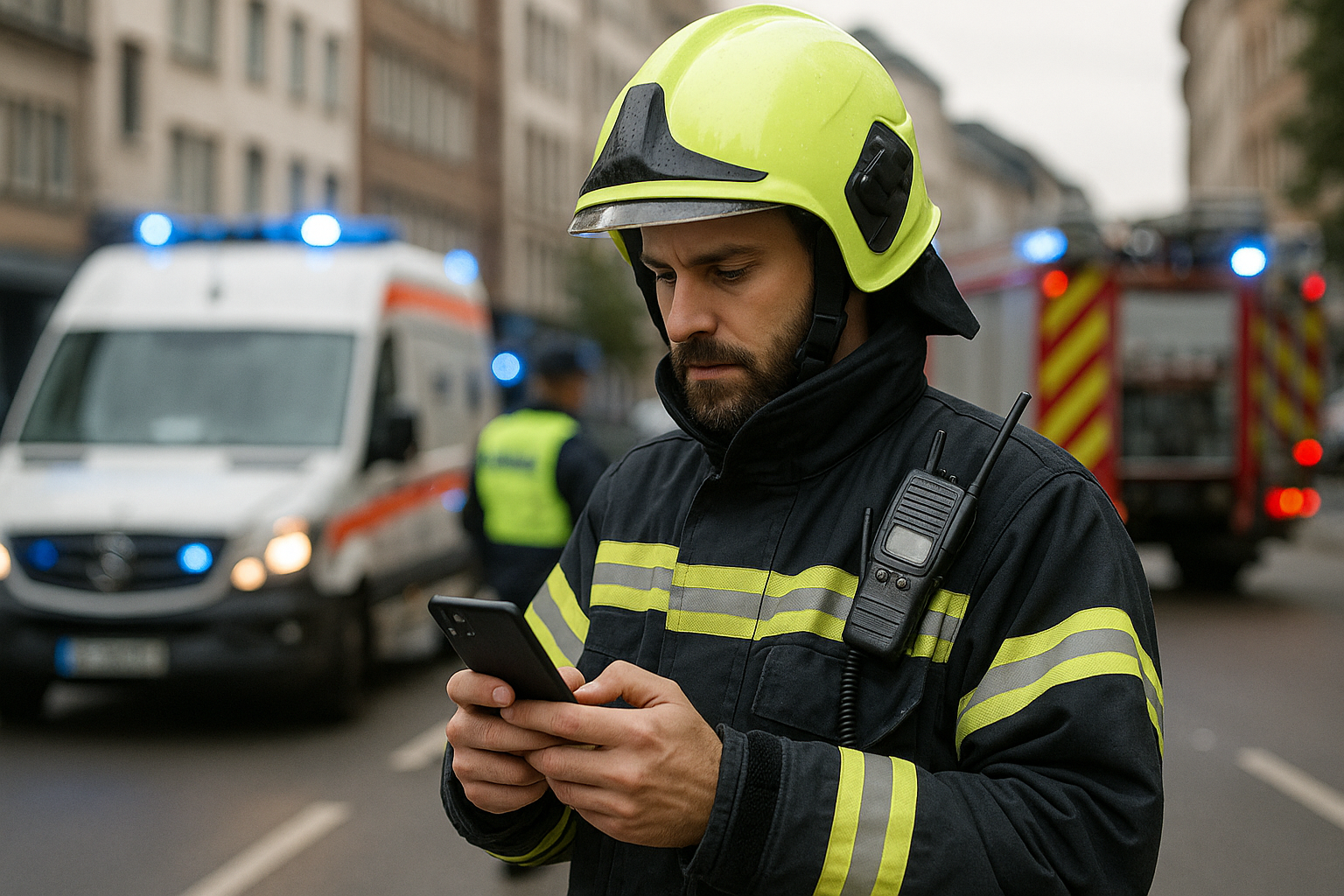
Building Resilient Communities for an Uncertain Future 🌐
As climate change increases the frequency and severity of natural disasters, as urbanization concentrates more people in vulnerable areas, and as new threats emerge, the need for advanced emergency communication systems grows more urgent.
5G technology provides the foundation for building truly resilient communities—places where technology, trained professionals, engaged citizens, and robust infrastructure work together to prevent emergencies when possible and respond effectively when they occur.
The transformation is already underway in forward-thinking cities worldwide. Emergency responders equipped with tools that would have seemed magical a decade ago are saving lives and protecting communities more effectively than ever before.
Yet this revolution in emergency communication is still in its early stages. As 5G networks mature, as new applications are developed, and as emergency services continue innovating, the capabilities will only expand. The future of emergency response is being built today, one 5G connection at a time.
For communities considering investments in emergency communication infrastructure, the question isn’t whether to adopt 5G technology, but how quickly they can implement it. Every day of delay represents lives that could have been saved, property that could have been protected, and emergencies that could have been prevented.
The revolution in safety is here. 5G isn’t just transforming emergency communication—it’s fundamentally reimagining what’s possible when seconds matter and lives hang in the balance. The communities that embrace this transformation today will be the resilient, safe places people want to call home tomorrow.