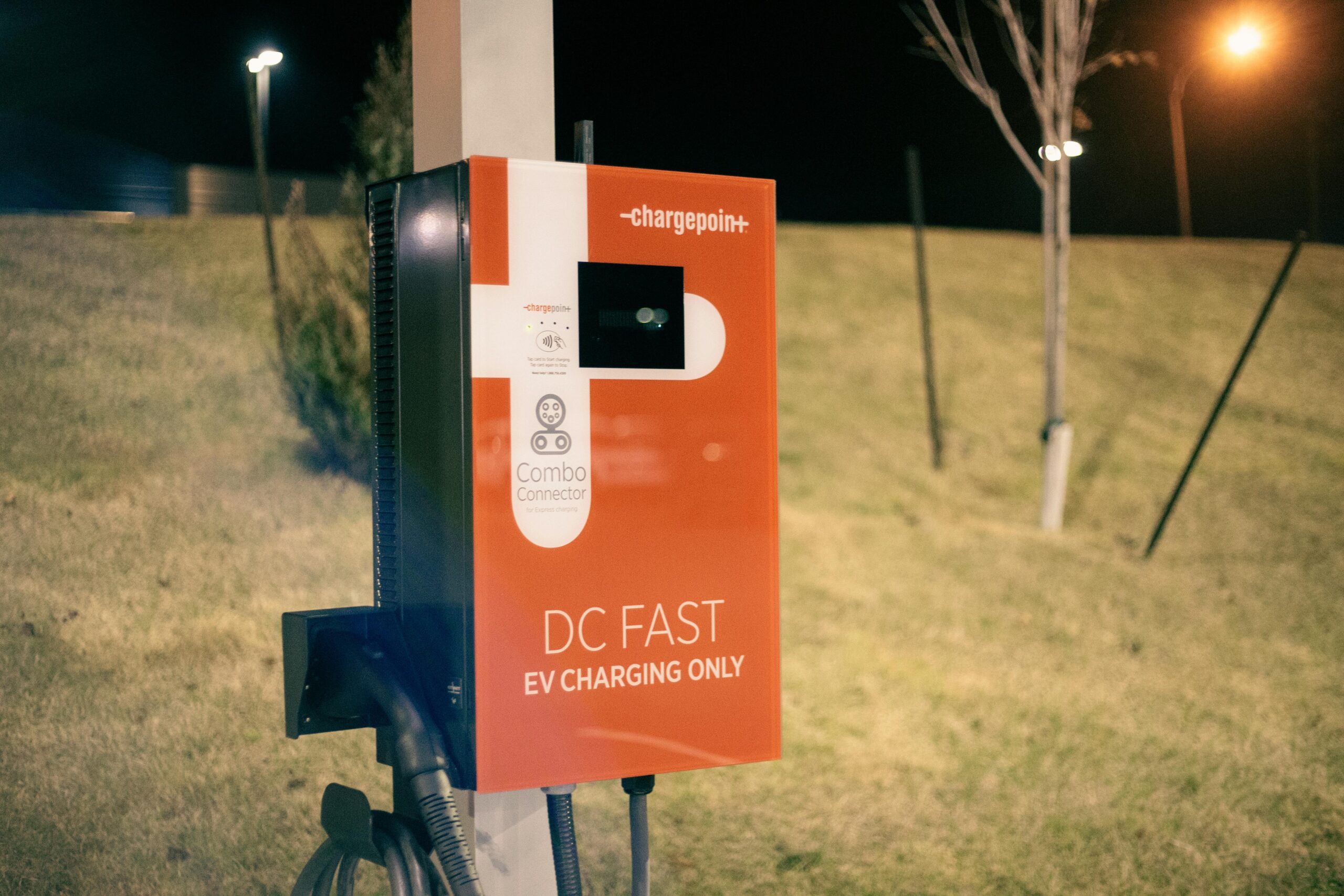
Smart cities promise a future of efficiency, sustainability, and innovation, but they also introduce unprecedented cybersecurity challenges that threaten our urban infrastructure.

🌆 The Digital Transformation of Urban Landscapes
Modern cities are evolving at a breathtaking pace, integrating cutting-edge technology into every aspect of urban life. From intelligent traffic management systems to automated waste collection, interconnected power grids to smart water distribution networks, our cities have become complex ecosystems of digital infrastructure. This transformation has created what we now call “smart cities” – urban environments where data flows continuously between sensors, devices, and control systems to optimize services and improve quality of life for residents.
However, this digital revolution comes with a significant caveat. Each connected device, every sensor, and all communication networks represent potential entry points for cyber threats. The same connectivity that makes our cities smarter also makes them more vulnerable to attacks that could disrupt essential services, compromise personal data, and even endanger lives.
Understanding the cybersecurity landscape of smart cities isn’t just a technical concern – it’s a fundamental requirement for protecting the communities we live in. As we integrate more technology into our urban infrastructure, we must simultaneously strengthen our defenses against those who would exploit these systems for malicious purposes.
🔒 Understanding the Threat Landscape in Smart Cities
The threat environment facing smart cities is both diverse and constantly evolving. Unlike traditional cybersecurity challenges that primarily affected individual computers or corporate networks, smart city vulnerabilities can have immediate physical consequences that extend far beyond the digital realm.
Ransomware attacks have emerged as one of the most pressing concerns for municipal governments. These attacks can paralyze entire city operations by encrypting critical data and demanding payment for its release. Several major cities worldwide have already experienced devastating ransomware incidents that disrupted public services for weeks, costing millions in recovery efforts and lost productivity.
Critical Infrastructure Vulnerabilities
Power grid systems represent particularly attractive targets for cyber attackers. A successful breach could result in widespread blackouts, affecting hospitals, emergency services, communication networks, and countless businesses. The interconnected nature of modern electrical grids means that a vulnerability in one area could cascade across entire regions.
Water treatment facilities face similar risks. These systems control everything from chemical dosing to pressure regulation. A cyberattack on water infrastructure could contaminate drinking water supplies or cause system failures that leave communities without access to clean water for extended periods.
Transportation networks, including traffic light systems, public transit controls, and intelligent highway management systems, are equally vulnerable. Disruptions to these systems could cause massive congestion, accidents, or complete transportation gridlock across metropolitan areas.
🛡️ Building Robust Defense Mechanisms
Protecting smart city infrastructure requires a comprehensive, multi-layered approach that addresses vulnerabilities at every level. Security cannot be an afterthought – it must be embedded into the design, implementation, and ongoing operation of all urban technology systems.
Network Segmentation and Isolation
One of the most effective strategies for protecting smart city infrastructure involves dividing networks into separate, isolated segments. This approach ensures that if attackers compromise one system, they cannot easily move laterally to access other critical infrastructure. Each segment should have its own security protocols, authentication requirements, and monitoring systems.
For example, the network controlling traffic signals should be completely separate from systems managing water treatment plants. This segmentation creates barriers that significantly increase the difficulty of launching successful large-scale attacks.
Advanced Encryption and Authentication
All data transmitted between smart city devices must be encrypted using current, industry-standard protocols. This protection ensures that even if attackers intercept communications, they cannot read or manipulate the information being exchanged. Additionally, strong authentication mechanisms must verify the identity of every device and user attempting to access city systems.
Multi-factor authentication should be mandatory for anyone accessing critical infrastructure controls. This requirement adds layers of verification that make unauthorized access exponentially more difficult, even if passwords are compromised.
📊 Essential Cybersecurity Technologies for Urban Protection
Smart cities must deploy sophisticated security technologies that can detect, prevent, and respond to threats in real-time. These tools form the technological backbone of urban cybersecurity defense.
- Intrusion Detection Systems (IDS): Continuously monitor network traffic for suspicious activities and potential threats
- Security Information and Event Management (SIEM): Aggregate and analyze security data from multiple sources to identify patterns and anomalies
- Artificial Intelligence and Machine Learning: Detect unusual behaviors and potential threats faster than traditional methods
- Blockchain Technology: Provide secure, tamper-proof records for critical transactions and system changes
- Zero Trust Architecture: Assume no user or device is trustworthy by default, requiring continuous verification
Real-Time Monitoring and Response
Security operations centers staffed 24/7 with trained cybersecurity professionals are essential for smart cities. These teams monitor systems constantly, looking for indicators of compromise and responding immediately to potential threats. Automated response systems can take immediate action to contain threats while human analysts investigate and develop comprehensive remediation strategies.
The combination of automated tools and human expertise creates a dynamic defense capable of adapting to new threats as they emerge. Regular threat intelligence sharing between cities helps identify emerging attack patterns and effective countermeasures.
🏛️ Governance, Policy, and Regulatory Frameworks
Technology alone cannot secure smart cities. Robust governance structures, clear policies, and comprehensive regulatory frameworks are equally important for establishing accountability and ensuring consistent security practices across all municipal operations.
Municipal governments must establish clear cybersecurity policies that define roles, responsibilities, and procedures for all stakeholders. These policies should address everything from incident response protocols to vendor security requirements, data privacy standards to employee training mandates.
Public-Private Partnerships
Many smart city systems are developed, implemented, and maintained by private sector companies. Effective cybersecurity requires close collaboration between municipal governments and these technology providers. Contracts must include stringent security requirements, regular audits, and clear liability provisions for security failures.
Information sharing agreements between public and private entities enable faster threat detection and response. When companies identify vulnerabilities or attacks, they must notify city officials immediately so appropriate defensive measures can be implemented across all affected systems.
👥 The Human Factor in Smart City Security
Technology and policy are crucial, but human behavior often represents the weakest link in cybersecurity defenses. Comprehensive training programs must ensure that everyone interacting with smart city systems understands security risks and follows best practices.
City employees need regular training on recognizing phishing attempts, creating strong passwords, identifying suspicious activities, and following proper security protocols. This education must be ongoing, as cyber threats constantly evolve and new attack techniques emerge regularly.
Cultivating a Security-First Culture
Beyond formal training, cities must foster organizational cultures where security is everyone’s responsibility. Employees should feel empowered to report potential security issues without fear of blame. Regular security drills and simulated attacks help teams practice their response procedures and identify areas for improvement.
Citizen awareness is also important. Residents should understand basic cybersecurity principles, especially when interacting with city services through mobile apps or online portals. Public education campaigns can help communities become partners in maintaining urban security rather than inadvertent vulnerabilities.
🔍 Privacy Considerations in Secure Smart Cities
As cities implement cybersecurity measures, they must carefully balance security needs with residents’ privacy rights. Smart city systems collect enormous amounts of data about citizen activities, movements, and behaviors. This information must be protected not only from external attackers but also from inappropriate internal access or misuse.
Privacy-by-design principles should guide all smart city technology implementations. Data collection should be limited to what is genuinely necessary, information should be anonymized whenever possible, and retention periods should be clearly defined and strictly enforced. Transparent policies must explain to citizens what data is collected, how it’s used, and who has access to it.
Regulatory Compliance
Smart cities must navigate complex regulatory landscapes that vary by region and jurisdiction. Data protection regulations like GDPR in Europe, CCPA in California, and similar laws elsewhere establish strict requirements for handling personal information. Non-compliance can result in substantial fines and legal liability, beyond the reputational damage from security breaches.
| Regulation | Key Requirements | Geographic Scope |
|---|---|---|
| GDPR | Consent, data minimization, breach notification | European Union |
| CCPA | Consumer rights, opt-out provisions, transparency | California, USA |
| PIPEDA | Accountability, safeguards, individual access | Canada |
| LGPD | Legal basis, data subject rights, security measures | Brazil |
🚀 Emerging Technologies Shaping Future Urban Security
The cybersecurity landscape continues to evolve as new technologies emerge. Smart cities must stay ahead of these developments, adopting innovative solutions while remaining vigilant about new vulnerabilities they might introduce.
Quantum computing represents both an opportunity and a threat. While quantum systems could break many current encryption methods, they also enable new, theoretically unbreakable encryption techniques. Cities must begin planning now for the post-quantum cryptography era, ensuring their systems can transition to quantum-resistant security measures.
Edge Computing and Distributed Security
As processing moves closer to data sources through edge computing, security architectures must adapt. Rather than funneling all data to centralized systems for processing and protection, security must be distributed across edge devices. This approach reduces latency and bandwidth requirements while introducing new challenges in maintaining consistent security policies across numerous distributed nodes.
5G networks will enable unprecedented connectivity and data speeds, supporting massive deployments of IoT devices throughout urban environments. However, this expanded attack surface requires equally scaled security measures. Network slicing capabilities in 5G allow creation of isolated virtual networks for different applications, providing security benefits similar to physical network segmentation.
💡 Practical Steps for Implementing Smart City Security
Cities embarking on smart infrastructure projects or seeking to improve existing system security should follow a structured implementation approach. Success requires careful planning, adequate resources, and sustained commitment from leadership.
Begin with comprehensive risk assessments that identify all critical infrastructure, evaluate vulnerabilities, and prioritize security investments based on potential impact. These assessments should be repeated regularly as systems evolve and new threats emerge.
Developing an Action Plan
Create detailed security roadmaps that outline specific initiatives, timelines, responsible parties, and success metrics. These plans should address immediate vulnerabilities while building long-term capabilities. Quick wins that address critical risks provide momentum and demonstrate value, helping secure ongoing support and funding.
Establish clear metrics for measuring cybersecurity effectiveness. These might include indicators like time to detect threats, percentage of systems with current security patches, number of security incidents, and training completion rates. Regular reporting on these metrics keeps security visible to decision-makers and helps justify continued investment.
🌐 International Collaboration and Knowledge Sharing
Cyber threats don’t respect borders, and neither should our defensive efforts. Cities worldwide face similar challenges and can benefit enormously from sharing knowledge, best practices, and threat intelligence. International organizations and city networks facilitate this collaboration, enabling municipalities to learn from each other’s successes and failures.
Standardization efforts help ensure that security measures implemented in different cities are compatible and effective. Organizations like ISO, NIST, and various industry consortiums develop frameworks and standards that provide tested approaches to common security challenges.
Participating in information sharing and analysis centers allows cities to receive early warnings about emerging threats and effective countermeasures. These collaborative networks amplify the defensive capabilities of individual cities by pooling intelligence and expertise from across the global community.

🎯 The Path Forward: Resilience and Adaptation
Securing smart cities is not a destination but an ongoing journey. The threat landscape will continue evolving, new technologies will introduce fresh challenges, and attackers will develop increasingly sophisticated techniques. Success requires building resilient systems that can withstand attacks, recover quickly from incidents, and adapt continuously to changing conditions.
Cities must invest not just in technology but in people, processes, and partnerships that enable sustained cybersecurity excellence. This investment pays dividends in protected services, maintained public trust, and avoided costs from successful attacks. The question is not whether cities can afford comprehensive cybersecurity measures, but whether they can afford to go without them.
As we continue building the smart cities of tomorrow, cybersecurity must be foundational rather than supplemental. By embedding security into every aspect of urban infrastructure, fostering collaboration across sectors and borders, and maintaining vigilance against emerging threats, we can create cities that are not only smart but also safe, resilient, and worthy of the trust citizens place in them.
The future of urban living depends on our ability to harness technology’s benefits while managing its risks. With commitment, investment, and cooperation, we can secure the smart cities that will serve as the foundation for thriving communities for generations to come. The work begins today, with every city taking responsibility for protecting its infrastructure and its citizens from the cyber threats of our interconnected world.