Smart dispatch technology is transforming how emergency services respond to critical situations, saving lives through faster, more accurate resource allocation and real-time communication systems.

🚨 The Evolution of Emergency Response Systems
Emergency response has come a long way from the days of manual dispatch boards and radio-only communication. Traditional dispatch methods relied heavily on human operators receiving calls, manually logging information, and verbally directing emergency units to incident locations. This process, while functional, was prone to delays, miscommunication, and inefficient resource allocation that could cost precious minutes during life-threatening situations.
The integration of smart dispatch technology represents a paradigm shift in emergency management. These advanced systems leverage artificial intelligence, geographic information systems, real-time data analytics, and automated decision-making processes to coordinate emergency responses with unprecedented speed and accuracy. The result is a dramatic improvement in response times, resource utilization, and ultimately, survival rates for those in distress.
📡 Core Components of Smart Dispatch Technology
Modern smart dispatch systems are built on several interconnected technological foundations that work seamlessly together to optimize emergency response operations. Understanding these components helps illustrate why this technology is so revolutionary.
Computer-Aided Dispatch (CAD) Systems
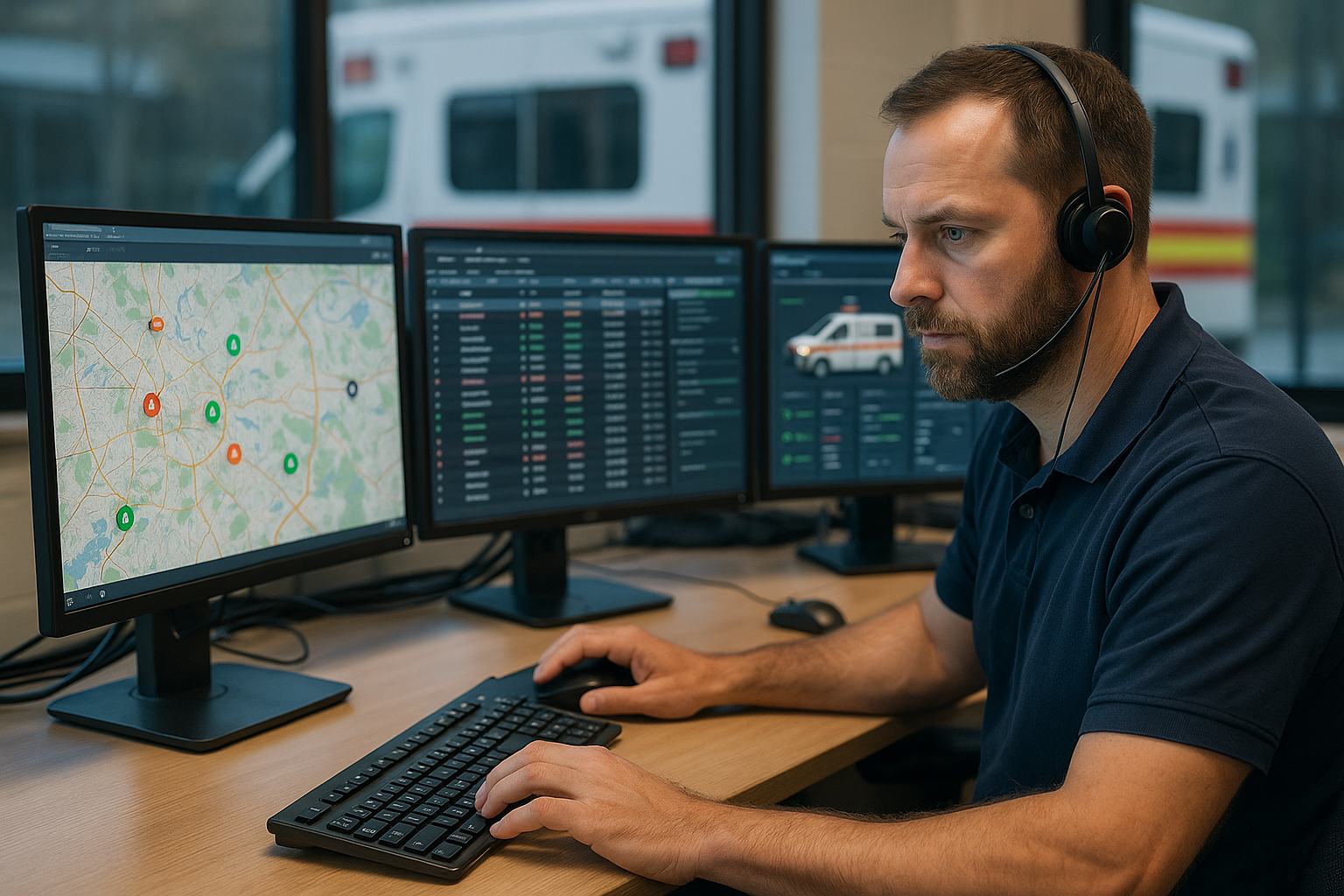
At the heart of smart dispatch lies the Computer-Aided Dispatch system, which automates much of the dispatch process. CAD systems instantly capture caller information, automatically determine the precise location of incidents using advanced geolocation technology, and suggest the most appropriate units to respond based on availability, proximity, and specialized capabilities. These systems maintain comprehensive databases of all emergency resources, their current status, and their locations in real-time.
Artificial Intelligence and Machine Learning
AI algorithms analyze historical incident data to predict emergency patterns and optimize resource positioning. Machine learning capabilities enable the system to continuously improve its decision-making processes, learning from past responses to enhance future performance. Predictive analytics can even anticipate high-demand periods and recommend proactive resource deployment to reduce response times during peak hours.
Geographic Information Systems (GIS)
GIS technology provides detailed mapping capabilities that go far beyond basic navigation. These systems incorporate real-time traffic data, road closures, weather conditions, and building layouts to calculate the fastest routes for emergency vehicles. Advanced GIS integration can even provide responding units with floor plans, hazardous material locations, and access points before they arrive at the scene.
⚡ Real-Time Benefits for Emergency Services
The implementation of smart dispatch technology delivers tangible improvements across every aspect of emergency response operations. These benefits extend to dispatchers, first responders, and most importantly, the communities they serve.
Dramatically Reduced Response Times
Smart dispatch systems can reduce emergency response times by 20-40% compared to traditional methods. Every second counts during cardiac arrest, severe trauma, or fire emergencies. By instantly identifying the nearest available unit and calculating the optimal route, these systems eliminate delays that could mean the difference between life and death. Automated dispatching removes the time needed for manual unit selection and verbal communication, getting help on the way within seconds of a call being received.
Enhanced Resource Allocation
Intelligent dispatching ensures that the right resources respond to each incident. The system considers unit capabilities, equipment availability, and personnel certifications when making dispatch decisions. This prevents scenarios where units arrive unprepared for specific emergency types, reducing the need for additional resources and preventing gaps in coverage for other incidents.
Improved Situational Awareness
Real-time data sharing gives responding units comprehensive information before arrival. Dispatchers can push critical details directly to mobile data terminals in emergency vehicles, including caller information, potential hazards, medical history (when available), and live updates from the scene. This preparation allows first responders to arrive better equipped mentally and physically to handle the situation effectively.
🔧 Integration with Mobile Technology
The smartphone revolution has added another powerful dimension to smart dispatch capabilities. Mobile applications now connect citizens directly with emergency services in ways previously impossible, while providing responders with portable access to dispatch systems.
Emergency response apps allow callers to automatically transmit their exact GPS coordinates, photos from the scene, and even live video streams to dispatchers. Some advanced systems can detect emergencies automatically—such as serious car accidents through accelerometer data—and initiate emergency protocols without requiring the victim to manually call for help. This technology proves especially valuable when individuals are incapacitated or in situations where speaking is dangerous or impossible.
For first responders, mobile integration means carrying the full power of the dispatch center in their pocket. Field personnel can update unit status, access maps and routing information, view incident details, and communicate with other responding units all through dedicated mobile applications. This mobility eliminates the need to return to vehicles to access information, keeping responders focused on the emergency at hand.
🏥 Impact on Different Emergency Services
Fire Department Operations
Smart dispatch technology has revolutionized fire service operations by providing instant access to building information, hydrant locations, and chemical hazard data. Automated dispatch algorithms consider factors like fire station locations, apparatus capabilities, and firefighter certifications to assemble the optimal response team. Pre-arrival information about building layouts and occupancy helps incident commanders develop tactical plans en route, arriving with a clear strategy ready for implementation.
Emergency Medical Services
For EMS providers, smart dispatch systems prioritize calls based on medical severity using sophisticated algorithms that analyze caller responses and symptoms. The technology can provide pre-arrival instructions to callers, guiding them through CPR, bleeding control, or other life-saving interventions before paramedics arrive. Automated vehicle routing accounts for hospital availability and specialty capabilities, directing patients to the most appropriate medical facility rather than simply the nearest one.
Law Enforcement Enhancement
Police departments benefit from smart dispatch through improved officer safety and more strategic deployment. Systems can identify patterns in criminal activity, helping administrators position patrols in high-probability areas. Real-time information sharing keeps responding officers informed of suspect descriptions, weapon involvement, and potential dangers before arrival. Integration with databases provides instant access to warrant information, vehicle registration data, and prior call history for specific locations.
📊 Data Analytics and Continuous Improvement
One of the most powerful aspects of smart dispatch technology is its ability to collect and analyze vast amounts of operational data. This information drives continuous improvement in emergency response systems.
Performance metrics tracked automatically include response times, unit utilization rates, call volume patterns, and outcome data. Administrators can identify bottlenecks in operations, training needs for personnel, and opportunities for procedural improvements. Predictive analytics forecast future demand based on historical patterns, seasonal variations, and community events, enabling better resource planning and budget allocation.
Benchmark comparisons allow departments to measure their performance against national standards and peer organizations. This data-driven approach to management removes guesswork from decision-making, replacing it with concrete evidence of what works and what needs improvement.
🌐 Interoperability and Regional Coordination
Modern emergencies often require coordination across multiple jurisdictions and agencies. Smart dispatch systems excel at facilitating this collaboration through standardized communication protocols and shared data platforms.
Regional dispatch centers can coordinate responses across multiple fire departments, EMS providers, and police agencies seamlessly. When local resources become overwhelmed during major incidents or disasters, smart dispatch systems automatically identify and request mutual aid from neighboring jurisdictions. This interoperability ensures that help arrives regardless of administrative boundaries, a critical capability during large-scale emergencies.
Standardized incident reporting and shared databases mean that information flows freely between agencies. A police officer arriving at a medical emergency can access the same incident details as paramedics, enabling better coordination and handoff of patient care. Fire departments can share building pre-plans with law enforcement, helping both agencies prepare for potential incidents at high-risk locations.
🔐 Security and Privacy Considerations
With great technological power comes significant responsibility for data security and privacy protection. Smart dispatch systems handle extremely sensitive information, including personal medical data, location information, and details about ongoing emergencies.
Modern systems employ military-grade encryption to protect data transmission and storage. Access controls ensure that only authorized personnel can view specific types of information, with comprehensive audit trails tracking every data access. Compliance with healthcare privacy regulations like HIPAA is built into system architecture, protecting patient information while still enabling appropriate medical information sharing.
Cybersecurity measures protect against potential attacks that could compromise emergency response capabilities. Redundant systems, regular security audits, and incident response planning ensure that dispatch operations continue even if primary systems are compromised. The critical nature of emergency services demands the highest levels of security and reliability.
💰 Cost-Effectiveness and Return on Investment
While implementing smart dispatch technology requires significant upfront investment, the long-term financial benefits typically far outweigh the costs. Improved efficiency means accomplishing more with existing resources rather than continually adding personnel and equipment.
Fuel savings result from optimized routing and reduced unnecessary travel. Better resource allocation prevents units from being dispatched to calls they cannot effectively handle, reducing wasted trips and improving availability for genuine emergencies. Automated processes reduce the staffing required for dispatch centers, allowing personnel to focus on complex situations that truly require human judgment.
Perhaps most significantly, improved outcomes reduce liability exposure and associated costs. Faster response times and better-prepared responders lead to better patient outcomes, fewer complications, and reduced litigation. Insurance costs may decrease as risk profiles improve through demonstrable performance enhancements.
🚀 Future Developments in Smart Dispatch
The evolution of smart dispatch technology continues at a rapid pace, with emerging innovations promising even greater capabilities in the coming years. Understanding these developments helps emergency services plan for future needs and opportunities.
Drone Integration
Unmanned aerial vehicles are beginning to play roles in emergency response, providing aerial reconnaissance before first responders arrive. Smart dispatch systems will increasingly coordinate drone deployment, sending these devices to incident scenes to provide real-time video feeds and assess situations. In some applications, drones may even deliver emergency medical supplies or flotation devices to victims before traditional units arrive.
Internet of Things (IoT) Connectivity
The proliferation of connected devices creates new opportunities for automatic emergency detection and reporting. Smart home systems can detect fires, carbon monoxide, or intrusions and automatically notify emergency services with precise location information. Wearable health monitors may soon alert dispatch centers to medical emergencies like heart attacks or severe falls, particularly for elderly or at-risk individuals.
Augmented Reality for Responders
Emerging augmented reality technology will overlay critical information directly into a responder’s field of vision through smart glasses or helmet displays. This technology could provide turn-by-turn navigation, building layouts, hazard locations, and patient vital signs without requiring first responders to look away from the scene or manipulate mobile devices.
🌟 Transforming Public Safety Culture
Beyond the technical capabilities, smart dispatch technology is fundamentally changing the culture of emergency services. The transparency provided by comprehensive data collection promotes accountability and continuous learning. Performance metrics that once seemed impossible to track are now routinely monitored, creating expectations for consistent improvement.
The reduced stress on dispatchers and field personnel should not be underestimated. Automation handles routine decisions and administrative tasks, allowing humans to focus their energy and expertise where it matters most. This shift improves job satisfaction, reduces burnout, and helps attract and retain talented personnel in emergency services careers.
Community confidence in emergency services grows when agencies can demonstrate concrete improvements in response times and outcomes. Transparent reporting of performance metrics builds trust and supports funding requests for continued technological advancement. Citizens increasingly expect their emergency services to leverage modern technology, and agencies that fail to adapt risk losing public support.
🎯 Implementation Best Practices
For agencies considering smart dispatch technology adoption, successful implementation requires careful planning and execution. Stakeholder buy-in from all levels—from frontline responders to executive leadership—is essential for smooth transitions. Comprehensive training programs must address not just technical operation but also help personnel understand how the technology enhances rather than replaces their professional judgment.
Phased implementation approaches often work better than attempting to change everything at once. Starting with core CAD functionality and gradually adding advanced features allows personnel to adapt incrementally while building confidence in the system. Pilot programs in limited areas can identify issues and refine processes before full deployment.
Ongoing technical support and system maintenance cannot be afterthoughts. Emergency dispatch systems must function flawlessly 24/7/365, requiring robust support infrastructure and contingency planning. Regular system updates, hardware refresh cycles, and continuous training ensure that investments in smart dispatch technology deliver sustained benefits over time.
🔥 The Imperative for Modernization
The question facing emergency services today is not whether to adopt smart dispatch technology, but how quickly they can implement these life-saving capabilities. Communities that delay modernization put their citizens at unnecessary risk while also disadvantaging their emergency responders with outdated tools.
The evidence is overwhelming: smart dispatch technology saves lives, improves efficiency, and provides better outcomes across every measure of emergency response performance. From the instant a call is received to the moment help arrives, these systems optimize every aspect of the response chain. They represent the most significant advancement in emergency services since the creation of the 911 system itself.
As technology continues to evolve and improve, early adopters will gain experience and expertise that compounds over time. The data collected today will train the AI systems of tomorrow, creating virtuous cycles of continuous improvement. Emergency services that embrace this revolution position themselves to provide the highest quality care and protection to their communities, now and in the future.
The power of smart dispatch technology lies not in replacing human judgment and compassion, but in amplifying these essential qualities with unprecedented speed, accuracy, and coordination. When every second counts, when lives hang in the balance, and when communities depend on their emergency services to be there in times of crisis, smart dispatch technology ensures that help arrives as quickly and effectively as humanly—and technologically—possible.