Urban energy networks are evolving rapidly as cities worldwide embrace innovative technologies and strategies to reduce consumption, minimize waste, and build resilient infrastructure for future generations.

🌆 The Growing Energy Challenge in Modern Cities
The rapid urbanization of the 21st century has created unprecedented demands on energy infrastructure. With over 55% of the global population now living in urban areas—a figure projected to reach 68% by 2050—cities have become the epicenters of energy consumption. Urban networks account for approximately 75% of global energy use and are responsible for more than 70% of carbon dioxide emissions worldwide.
This concentration of energy demand presents both significant challenges and remarkable opportunities. Traditional energy systems, designed decades ago, struggle to meet the complex needs of modern metropolitan areas. Peak demand periods strain grid infrastructure, while inefficiencies throughout distribution networks result in substantial energy losses that impact both economic viability and environmental sustainability.
The imperative for energy optimization in urban networks has never been more critical. Climate change, resource scarcity, and population growth converge to create an urgent need for transformative approaches to how cities generate, distribute, and consume energy. Forward-thinking municipalities are now reimagining their energy ecosystems through the lens of efficiency, sustainability, and resilience.
⚡ Understanding Urban Energy Networks and Their Components
Urban energy networks comprise multiple interconnected systems that work together to deliver power where and when it’s needed. These complex infrastructures include generation facilities, transmission lines, distribution networks, substations, and the end-user connections that power homes, businesses, and public services.
Modern urban networks are transitioning from centralized, one-directional power flow models to decentralized, bidirectional systems. This evolution enables distributed energy resources such as rooftop solar panels, local wind turbines, and battery storage systems to feed power back into the grid. The transformation requires sophisticated management technologies capable of balancing supply and demand in real-time across thousands of connection points.
Key Infrastructure Elements Requiring Optimization
Smart meters represent the foundational technology for energy optimization, providing granular data on consumption patterns across residential, commercial, and industrial sectors. These devices enable utilities to identify inefficiencies, predict demand fluctuations, and implement dynamic pricing strategies that incentivize off-peak usage.
Distribution automation systems use sensors, switches, and control technologies to monitor network conditions continuously. When faults occur or demand shifts unexpectedly, these systems can reroute power automatically, minimizing outages and preventing energy waste from overloaded circuits.
Energy storage solutions, particularly battery systems, are becoming integral components of optimized urban networks. These installations store excess energy during low-demand periods and release it during peak times, reducing strain on generation facilities and minimizing the need for inefficient “peaker” plants that only operate during high-demand hours.
💡 Advanced Technologies Driving Energy Efficiency
Artificial intelligence and machine learning algorithms are revolutionizing how urban energy networks operate. These technologies analyze vast datasets from smart meters, weather forecasts, traffic patterns, and historical consumption trends to predict demand with remarkable accuracy. Utilities can then adjust generation and distribution proactively rather than reactively, significantly reducing waste.
Digital twin technology creates virtual replicas of physical energy networks, allowing operators to simulate various scenarios and optimize configurations before implementing changes in the real world. This approach minimizes risks, identifies potential efficiency gains, and supports strategic planning for infrastructure upgrades.
Blockchain applications are emerging as tools for peer-to-peer energy trading within urban microgrids. Residents with solar panels or other generation capacity can sell excess power directly to neighbors, creating localized energy markets that reduce transmission losses and encourage renewable energy adoption.
Internet of Things Integration
The Internet of Things (IoT) connects billions of devices across urban environments, from streetlights and traffic signals to HVAC systems and industrial equipment. When integrated with energy management platforms, IoT sensors provide unprecedented visibility into consumption patterns and enable automated efficiency measures.
Smart building systems use IoT sensors to adjust lighting, heating, and cooling based on occupancy and external conditions. These systems can reduce energy consumption in commercial buildings by 20-30% while maintaining or improving comfort levels for occupants.
Connected streetlights equipped with motion sensors and adaptive brightness controls can reduce municipal energy consumption by up to 70% compared to traditional systems. These installations also serve as platforms for additional smart city applications, including air quality monitoring and public Wi-Fi access points.
🏙️ Practical Strategies for Urban Energy Optimization
Demand response programs enlist consumers as active participants in energy optimization. During peak demand periods, utilities send signals to enrolled customers who voluntarily reduce consumption in exchange for financial incentives. Industrial facilities might shift production schedules, while homeowners might allow utility control of thermostats or pool pumps during critical hours.
Time-of-use pricing structures align consumer behavior with grid conditions by charging different rates based on demand levels. Higher prices during peak periods encourage consumption shifts to off-peak hours, flattening demand curves and reducing the need for additional generation capacity.
Building retrofit programs address the enormous energy waste in existing urban structures. Upgrading insulation, replacing inefficient windows, installing LED lighting, and modernizing HVAC systems can reduce building energy consumption by 30-50%. Many cities now mandate energy audits and implement progressive efficiency standards for both new construction and existing buildings.
Transportation Electrification and Grid Integration
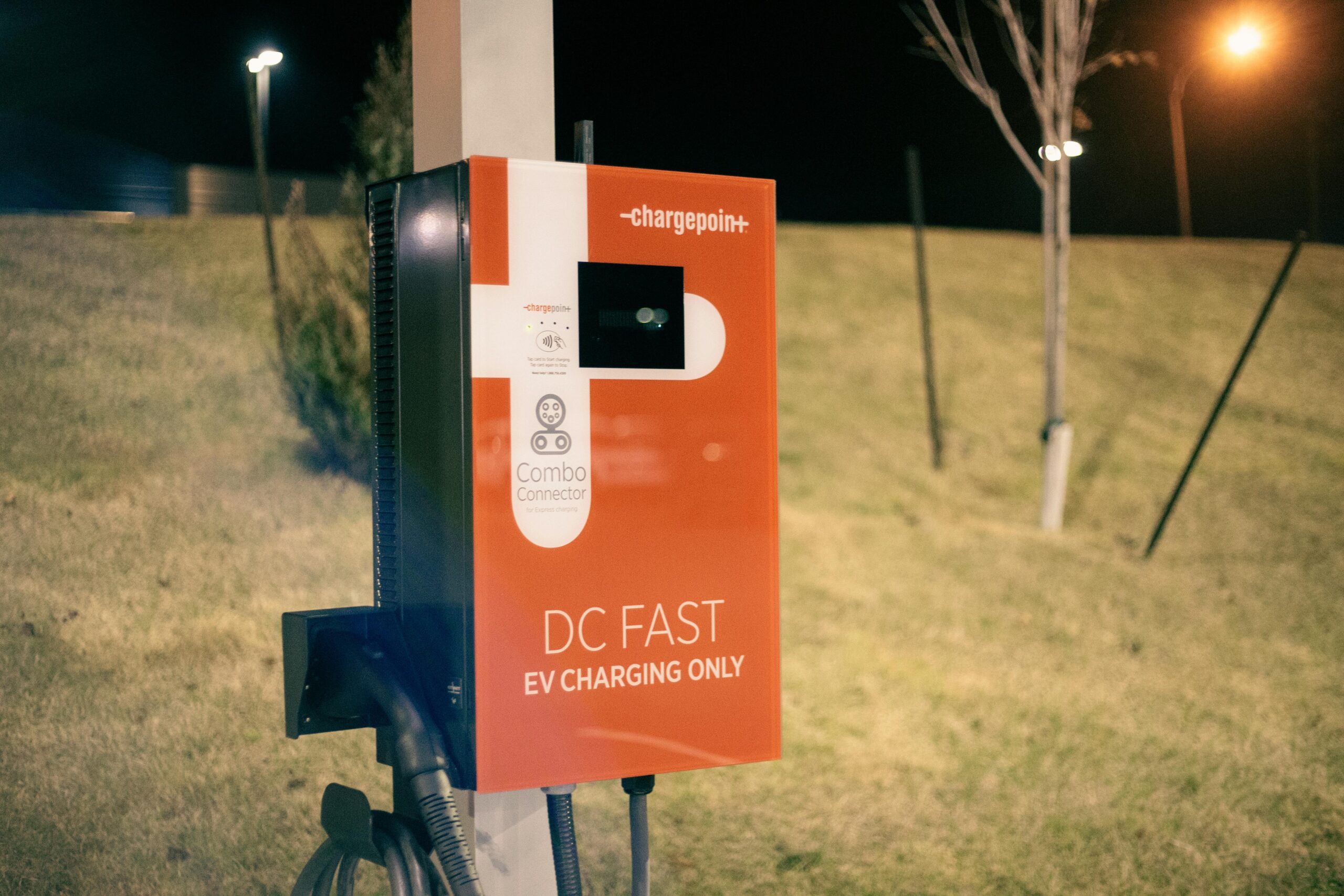
The transition to electric vehicles presents both challenges and opportunities for urban energy networks. While EV charging increases electricity demand, smart charging systems can optimize when and where vehicles draw power, turning them into distributed storage resources that support grid stability.
Vehicle-to-grid (V2G) technology enables EVs to discharge stored energy back to the network during peak demand periods. A parked electric vehicle with a 60 kWh battery could power an average home for several days or contribute to grid stability during critical periods, creating a massive distributed energy storage resource as EV adoption accelerates.
Public transportation electrification offers immediate efficiency gains due to the centralized nature of bus and rail operations. Electric buses reduce per-passenger energy consumption while eliminating local air pollution, and their predictable routes and schedules make them ideal candidates for optimized charging strategies that support rather than stress the grid.
🌿 Renewable Energy Integration in Urban Settings
Solar energy deployment in urban environments extends far beyond traditional rooftop installations. Building-integrated photovoltaics (BIPV) incorporate solar cells into facades, windows, and even roofing materials, turning entire structures into power generation assets without requiring additional space.
Community solar projects enable residents who cannot install rooftop systems—due to shading, roof orientation, or rental situations—to benefit from solar energy. These shared installations typically occupy unused urban land or large rooftops, distributing generated power among multiple subscribers.
Urban wind solutions have evolved to address the unique challenges of city environments. Vertical-axis turbines and building-integrated wind systems can harness the accelerated airflows created by tall structures, generating clean energy where horizontal turbines would be impractical.
Balancing Intermittent Generation
The variable nature of renewable energy sources requires sophisticated balancing mechanisms to maintain grid stability. Advanced forecasting systems use satellite imagery, weather data, and machine learning to predict solar and wind generation with increasing accuracy, enabling operators to schedule conventional generation and storage resources efficiently.
Hybrid renewable systems combine multiple generation sources—such as solar and wind—to create more consistent output profiles. When solar production peaks during midday and wind generation often increases during evening hours, the combined profile better matches urban consumption patterns.
Grid-scale battery storage has reached a tipping point where economics favor installation alongside renewable generation. These systems capture excess renewable energy and dispatch it during high-demand periods or when generation drops, essentially making intermittent sources dispatchable like conventional power plants.
📊 Measuring and Monitoring Optimization Success
Comprehensive metrics are essential for evaluating energy optimization initiatives and guiding continuous improvement. Key performance indicators include energy intensity (consumption per unit of GDP or population), peak demand reduction, renewable energy penetration rates, and carbon emissions per capita.
Real-time monitoring dashboards provide utilities and city administrators with instant visibility into network performance. These platforms aggregate data from smart meters, sensors, and generation facilities, displaying consumption patterns, system efficiency, and renewable energy contributions in intuitive formats that support rapid decision-making.
Benchmarking against peer cities helps identify best practices and areas for improvement. International initiatives like the Carbon Disclosure Project and C40 Cities Climate Leadership Group facilitate knowledge sharing and create accountability through transparent performance reporting.
🌍 Case Studies: Cities Leading the Efficiency Revolution
Copenhagen has established itself as a global leader in urban energy optimization through integrated planning that connects energy, transportation, and urban development. The city’s district heating system captures waste heat from power generation and industrial processes, distributing it through underground pipes to heat 98% of buildings with remarkable efficiency.
Singapore’s intelligent energy system combines tropical climate adaptation with cutting-edge technology. The city-state maximizes solar deployment despite limited land area through innovative floating solar installations and requires all new buildings to achieve high efficiency standards. Advanced grid management systems balance the significant solar contribution with conventional generation and emerging storage resources.
Barcelona has implemented a comprehensive smart city platform that integrates energy management with transportation, waste management, and public services. The city’s network of sensors and IoT devices provides the data foundation for optimization algorithms that reduce energy waste across municipal operations while improving service quality for residents.
🚀 Future Horizons: Emerging Opportunities and Technologies
Quantum computing promises to revolutionize energy network optimization by solving complex calculations that exceed the capabilities of classical computers. These systems could optimize power flow across entire urban networks in real-time, accounting for millions of variables simultaneously to minimize losses and maximize efficiency.
Advanced materials including superconductors operating at higher temperatures could eliminate transmission losses entirely, dramatically improving overall network efficiency. While currently expensive, ongoing research continues to bring these technologies closer to practical deployment.
Hydrogen energy systems offer promising solutions for long-duration energy storage and seasonal balancing. Urban networks could use excess renewable energy to produce hydrogen through electrolysis, storing it for later conversion back to electricity or use in transportation and heating applications.
Policy and Regulatory Evolution
Regulatory frameworks are adapting to enable and incentivize energy optimization. Progressive jurisdictions are implementing performance-based regulation that rewards utilities for efficiency improvements rather than simply selling more electricity. This fundamental shift aligns utility business models with sustainability goals.
Carbon pricing mechanisms create economic incentives for efficiency and renewable energy adoption. Whether through carbon taxes or cap-and-trade systems, putting a price on emissions makes optimization economically compelling while generating revenue for further sustainability investments.
Building codes and appliance efficiency standards continue to tighten, ensuring that new infrastructure additions contribute to rather than detract from optimization goals. Some cities now require new buildings to achieve net-zero energy performance, producing as much energy as they consume over the course of a year.
🔧 Overcoming Implementation Challenges
Financial barriers often impede energy optimization initiatives despite attractive long-term returns. Innovative financing mechanisms including green bonds, energy performance contracts, and on-bill financing programs help overcome upfront cost hurdles by aligning payments with realized savings.
Legacy infrastructure presents technical challenges for optimization implementation. Many urban networks include components installed decades ago that lack communication capabilities or compatibility with modern management systems. Strategic upgrade paths and interim bridge technologies can enable progressive modernization without requiring complete infrastructure replacement.
Stakeholder engagement is critical for successful optimization initiatives. Public education campaigns help residents understand the benefits of programs like time-of-use pricing or demand response. Transparent communication about data privacy protections addresses concerns about smart meter deployment and IoT integration.

✨ The Path Forward: Building Resilient, Efficient Urban Energy Systems
The transition to optimized urban energy networks represents one of the most significant infrastructure transformations in modern history. Success requires coordinated action across multiple domains: technology deployment, policy development, financial innovation, and community engagement.
Cities that embrace energy optimization position themselves for competitive advantages extending beyond environmental benefits. Efficient energy systems reduce operational costs for businesses, improve quality of life for residents, and enhance resilience against climate impacts and supply disruptions.
The urgency of climate change demands accelerated action, yet the opportunities for innovation and improvement have never been greater. Technologies that were experimental just a decade ago are now proven, cost-effective solutions ready for widespread deployment. The foundations for sustainable urban energy futures are being laid today through the optimization initiatives transforming networks worldwide.
As urban populations continue to grow and energy demands evolve, the cities that prioritize efficiency, embrace innovation, and engage communities in the energy transition will lead the way toward a sustainable future. The power to transform urban energy networks exists today—what remains is the collective will to implement these solutions at the scale required to meet our shared climate goals.