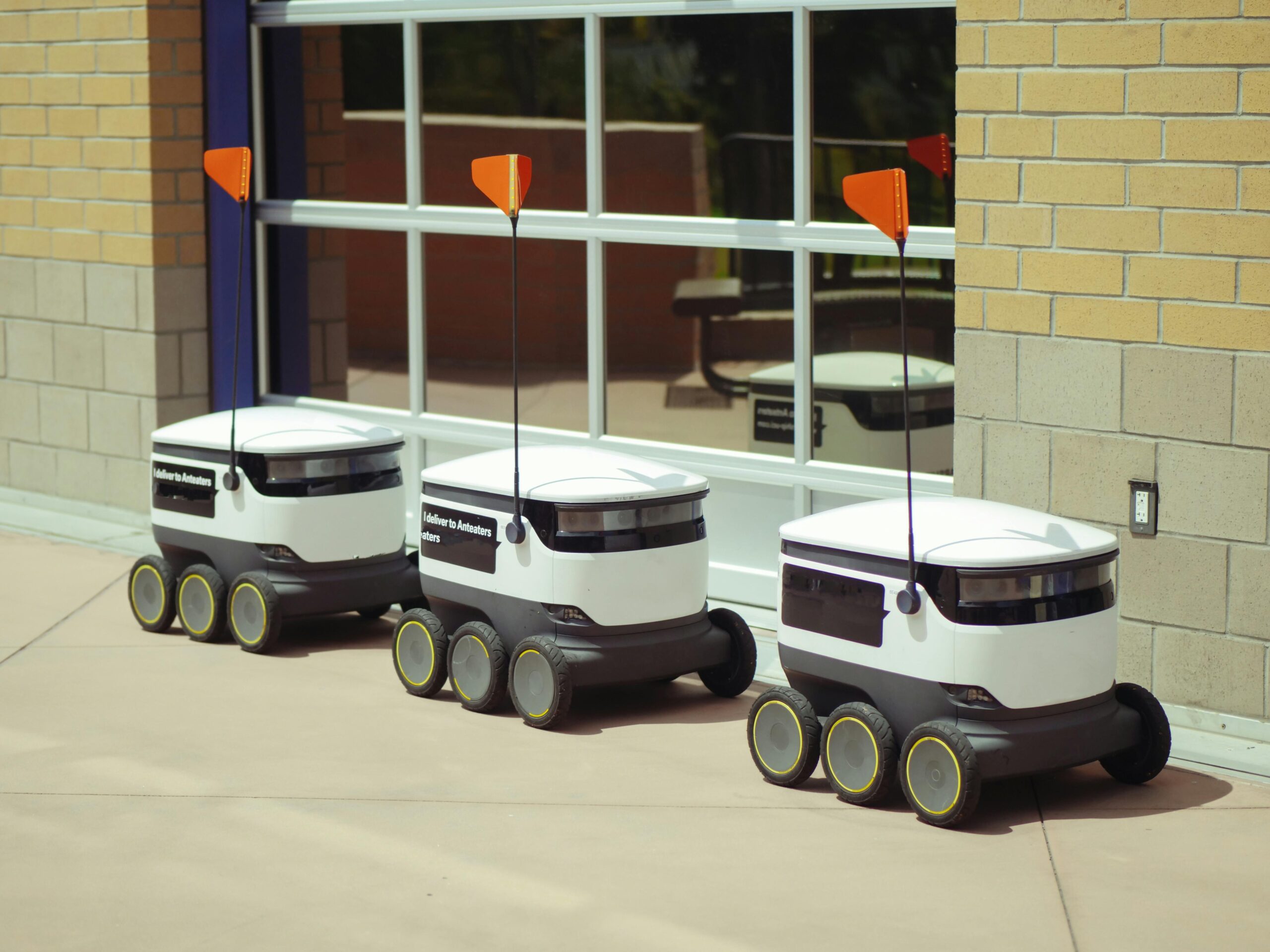
Modern buildings demand smarter solutions, and automated facility management is revolutionizing how organizations operate, reduce costs, and enhance occupant experiences daily.

🏢 The Revolution in Building Operations
The landscape of building and facility management has undergone a dramatic transformation over the past decade. Where once facility managers relied on manual inspections, paper-based schedules, and reactive maintenance approaches, today’s buildings are intelligent ecosystems powered by automation, sensors, and artificial intelligence. This shift isn’t merely about adopting new technology—it’s about fundamentally reimagining how we manage physical spaces to maximize efficiency, sustainability, and occupant satisfaction.
Organizations worldwide are discovering that automated building management systems deliver tangible benefits that extend far beyond simple convenience. From multinational corporations managing sprawling campus environments to small businesses optimizing their single-location operations, automation is proving to be the key differentiator in operational excellence. The question is no longer whether to automate, but rather how quickly and comprehensively organizations can implement these transformative solutions.
Understanding Automated Facility Management
Automated facility management encompasses a comprehensive suite of technologies and practices designed to monitor, control, and optimize building systems with minimal human intervention. At its core, this approach integrates hardware sensors, software platforms, and data analytics to create responsive environments that adapt to changing conditions in real-time.
These systems typically incorporate building automation systems (BAS), computerized maintenance management systems (CMMS), Internet of Things (IoT) devices, and sophisticated analytics platforms. Together, these components create a unified infrastructure that can manage everything from HVAC systems and lighting to security protocols and energy consumption patterns.
The beauty of modern automation lies in its ability to learn and improve over time. Machine learning algorithms analyze historical data to predict equipment failures before they occur, optimize energy usage based on occupancy patterns, and identify inefficiencies that might escape human observation. This predictive capability transforms facility management from a reactive discipline into a proactive strategic function.
💡 Core Components of Automated Building Systems
Building automation relies on several interconnected technologies that work in concert to deliver seamless operational efficiency. Understanding these components helps organizations make informed decisions about their automation investments.
Smart Sensors and IoT Integration
The foundation of any automated facility management system is its network of sensors. These devices continuously monitor environmental conditions including temperature, humidity, air quality, occupancy levels, and equipment performance. Modern IoT sensors are remarkably sophisticated, capable of transmitting data wirelessly in real-time while consuming minimal power.
Temperature and climate sensors ensure optimal thermal comfort while identifying opportunities for energy savings. Occupancy sensors detect human presence to adjust lighting and HVAC operations accordingly. Air quality monitors track carbon dioxide levels, volatile organic compounds, and particulate matter to maintain healthy indoor environments. Water leak detectors provide early warning of potential flooding incidents, preventing costly damage.
Central Management Platforms
Data from distributed sensors flows into centralized management platforms that serve as the brain of automated systems. These platforms aggregate information from multiple sources, apply analytics algorithms, and execute control commands across building systems. Modern platforms feature intuitive dashboards that present complex data through visualizations, making it easy for facility managers to understand building performance at a glance.
Cloud-based platforms offer particular advantages, including remote accessibility, automatic updates, scalability, and integration capabilities with other enterprise systems. Facility managers can monitor and control building operations from anywhere, responding quickly to issues regardless of their physical location.
Automated Control Systems
The value of data collection is realized through automated control mechanisms that adjust building systems without human intervention. Smart thermostats modify heating and cooling based on occupancy forecasts and weather predictions. Automated lighting systems dim or brighten based on natural light availability and room usage. Access control systems manage security protocols, granting or restricting entry based on schedules and authorization levels.
These control systems operate according to predefined rules and learned behaviors, continuously optimizing operations to meet performance targets while minimizing resource consumption.
⚙️ Transformative Benefits of Automation
The adoption of automated facility management delivers measurable benefits across multiple dimensions of building operations. Organizations that embrace these technologies consistently report improvements in efficiency, cost reduction, and occupant satisfaction.
Dramatic Energy Savings
Energy consumption represents one of the largest operational expenses for most buildings. Automated systems can reduce energy costs by 20-30% through intelligent optimization of HVAC, lighting, and other power-consuming systems. By adjusting operations based on actual occupancy rather than fixed schedules, buildings eliminate wasteful energy use during unoccupied periods.
Automated systems also identify equipment operating inefficiently, allowing maintenance teams to address issues before they result in excessive energy waste. Demand response capabilities enable buildings to reduce consumption during peak pricing periods, further decreasing utility expenses.
Predictive Maintenance Advantages
Equipment failures are expensive, causing unexpected downtime, emergency repair costs, and occupant disruption. Automated systems monitor equipment performance continuously, detecting subtle changes that indicate impending failures. This predictive approach allows maintenance teams to schedule repairs proactively during convenient times, avoiding emergency situations.
Predictive maintenance extends equipment lifespan by ensuring components receive attention before minor issues escalate into major failures. Organizations report maintenance cost reductions of 15-25% through predictive approaches compared to reactive maintenance strategies.
Enhanced Occupant Experience
Modern workplaces compete for talent, and building environments play a significant role in employee satisfaction and productivity. Automated systems create comfortable, healthy spaces that adapt to occupant preferences. Personalized climate control, optimal lighting conditions, and superior air quality contribute to enhanced well-being and performance.
Mobile applications allow occupants to report issues instantly, request services, and even adjust environmental conditions within their immediate workspace. This empowerment increases satisfaction while providing facility teams with valuable feedback about building performance.
Operational Efficiency Gains
Automation frees facility management teams from routine tasks, allowing them to focus on strategic initiatives that add greater value. Automated work order generation, asset tracking, and space utilization analysis streamline administrative processes that previously consumed substantial time and effort.
Real-time visibility into building operations enables faster decision-making and more effective resource allocation. Facility managers can identify trends, compare performance across multiple locations, and implement best practices systematically.
📊 Implementation Strategies for Success
Successfully implementing automated facility management requires thoughtful planning, stakeholder engagement, and phased execution. Organizations that approach automation strategically achieve better outcomes and smoother transitions than those pursuing ad-hoc technology adoption.
Conducting Comprehensive Assessments
Begin with a thorough evaluation of current building systems, operational processes, and pain points. Document existing equipment, identify integration opportunities, and establish baseline performance metrics. Understanding your starting point is essential for measuring improvement and justifying investments.
Engage stakeholders across the organization to gather diverse perspectives on priorities and requirements. Facility teams, IT departments, finance leaders, and occupants all offer valuable insights that should inform automation strategies.
Defining Clear Objectives
Establish specific, measurable goals for your automation initiatives. Rather than vague aspirations like “improve efficiency,” set concrete targets such as “reduce energy consumption by 25% within 18 months” or “decrease maintenance response time by 40%.” Clear objectives guide technology selection, implementation priorities, and performance evaluation.
Consider both quantitative metrics like cost savings and energy reduction alongside qualitative outcomes such as occupant satisfaction and operational flexibility. Comprehensive success measures ensure balanced decision-making throughout the automation journey.
Selecting Appropriate Technologies
The facility management technology landscape is vast and evolving rapidly. Focus on solutions that address your specific needs rather than pursuing features that sound impressive but offer little practical value for your situation. Prioritize open platforms that integrate easily with existing systems and accommodate future expansion.
Evaluate vendors carefully, considering not just initial costs but total cost of ownership including implementation, training, maintenance, and upgrade expenses. Vendor reputation, customer support quality, and long-term viability should weigh heavily in selection decisions.
Phased Implementation Approach
Resist the temptation to automate everything simultaneously. Begin with high-impact, manageable projects that demonstrate value quickly and build organizational confidence. Early wins create momentum and generate resources for subsequent phases.
A typical phased approach might start with automated lighting and HVAC controls, progress to predictive maintenance capabilities, and eventually incorporate advanced analytics and machine learning features. This progression allows teams to develop expertise gradually while minimizing disruption.
🔒 Addressing Security and Privacy Concerns
As buildings become increasingly connected, cybersecurity and data privacy emerge as critical considerations. Automated systems create new vulnerabilities that must be addressed through comprehensive security strategies.
Implement robust network segmentation to isolate building automation systems from general IT networks. This separation limits the potential impact of security breaches and provides dedicated protection for critical building infrastructure. Employ strong authentication mechanisms, encryption protocols, and regular security audits to maintain system integrity.
Data privacy requires equal attention, particularly when systems collect information about occupant behaviors and preferences. Establish clear policies governing data collection, usage, retention, and sharing. Ensure compliance with applicable regulations such as GDPR or CCPA, and communicate transparently with building occupants about data practices.
🌱 Sustainability Through Intelligent Automation
Environmental sustainability has evolved from a nice-to-have consideration to a strategic imperative for organizations worldwide. Automated facility management plays a crucial role in achieving sustainability goals by optimizing resource consumption and enabling data-driven environmental initiatives.
Automated systems provide unprecedented visibility into energy usage patterns, water consumption, and waste generation. This granular data empowers facility managers to identify improvement opportunities that would otherwise remain hidden. Real-time monitoring enables immediate responses to anomalies that indicate waste or inefficiency.
Integration with renewable energy sources becomes seamless through automation. Systems can prioritize solar or wind power when available, automatically switching to grid electricity when necessary. Battery storage systems charge during off-peak hours and discharge during expensive peak periods, maximizing economic and environmental benefits.
Sustainability reporting requirements are simplified when automated systems continuously track relevant metrics. Organizations can generate comprehensive reports demonstrating progress toward carbon neutrality, LEED certification criteria, or other environmental benchmarks with minimal manual effort.
🚀 Emerging Trends Shaping the Future
The evolution of automated facility management continues accelerating as new technologies mature and converge. Understanding emerging trends helps organizations prepare for the next generation of building intelligence.
Artificial Intelligence and Machine Learning
AI algorithms are becoming increasingly sophisticated in their ability to optimize building operations. Rather than following static rules, these systems learn from experience, adapting strategies based on outcomes. Machine learning models predict equipment failures with remarkable accuracy, forecast energy consumption patterns, and automatically adjust control parameters to achieve optimal performance.
Natural language interfaces powered by AI allow facility managers to interact with building systems conversationally, asking questions and issuing commands using everyday language rather than navigating complex interfaces.
Digital Twin Technology
Digital twins—virtual replicas of physical buildings—enable powerful scenario planning and optimization. These detailed models incorporate real-time data from actual buildings, allowing managers to test potential changes virtually before implementing them physically. Digital twins support lifecycle planning, renovation design, and emergency response preparation.
Edge Computing Integration
While cloud platforms offer tremendous benefits, edge computing brings processing power directly to building systems. This distributed approach reduces latency, improves reliability, and enables continued operation even when internet connectivity is disrupted. Edge devices make instantaneous decisions locally while synchronizing with central platforms for broader analysis and coordination.
📈 Measuring Return on Investment
Demonstrating the financial value of automated facility management is essential for securing executive support and justifying continued investment. Comprehensive ROI analysis considers both tangible and intangible benefits across appropriate timeframes.
Direct cost savings from reduced energy consumption, lower maintenance expenses, and decreased labor requirements are relatively straightforward to quantify. Utility bill comparisons, maintenance records, and labor time tracking provide concrete evidence of financial impact.
Indirect benefits require more creative measurement approaches but often deliver substantial value. Improved occupant productivity resulting from better environmental conditions can be estimated through employee surveys, retention rates, and performance metrics. Enhanced building lifespan from proactive maintenance represents long-term asset value preservation.
Consider the cost of avoided incidents when calculating ROI. Equipment failures prevented through predictive maintenance, water damage avoided through early leak detection, and security breaches stopped by automated access control all represent significant value that might otherwise go unrecognized.
🎯 Overcoming Implementation Challenges
Despite compelling benefits, organizations frequently encounter obstacles during automation initiatives. Anticipating these challenges and preparing mitigation strategies increases the likelihood of successful implementation.
Legacy systems present common integration difficulties. Older equipment may lack digital interfaces necessary for automation, requiring retrofits or replacements. Budget constraints often necessitate creative solutions such as wireless overlays that add automation capabilities without complete equipment replacement.
Organizational resistance emerges when staff members perceive automation as threatening their roles. Address this concern through transparent communication emphasizing how automation eliminates tedious tasks, allowing personnel to focus on more meaningful, strategic work. Invest in comprehensive training to build confidence and competence with new systems.
Data quality issues undermine automation effectiveness when sensors are poorly calibrated, improperly located, or inadequately maintained. Establish rigorous commissioning processes and ongoing validation procedures to ensure data accuracy and system reliability.

The Path Forward: Embracing Continuous Improvement
Automated facility management is not a destination but a journey of continuous improvement. Technologies evolve, building needs change, and organizational priorities shift. The most successful implementations embrace flexibility and ongoing optimization rather than treating automation as a one-time project.
Regular performance reviews comparing actual outcomes against established objectives identify areas requiring adjustment. Engage building occupants periodically to gather feedback about their experiences and suggestions for enhancement. Monitor industry developments to identify new technologies or approaches that might benefit your operations.
Foster a culture of innovation where team members feel empowered to propose improvements and experiment with new approaches. The combination of human creativity and automated intelligence creates powerful synergies that drive exceptional results.
As buildings become increasingly intelligent and responsive, the role of facility management evolves from maintaining static infrastructure to orchestrating dynamic ecosystems that anticipate needs, optimize resources, and enhance experiences. Organizations that embrace this transformation position themselves for success in an increasingly competitive landscape where operational excellence and environmental responsibility are non-negotiable requirements.
The journey toward effortless efficiency through automated building and facility management requires vision, commitment, and strategic execution. The rewards—reduced costs, enhanced sustainability, improved occupant satisfaction, and operational excellence—make this investment one of the most impactful decisions organizations can make for their built environments and the people who occupy them. 🌟