The convergence of transportation and renewable energy represents one of the most promising pathways toward achieving global sustainability goals and combating climate change.

As the world grapples with the urgent need to reduce carbon emissions and transition away from fossil fuels, the transportation sector stands at a critical crossroads. Responsible for nearly a quarter of global CO2 emissions, this industry’s transformation through renewable energy integration isn’t just beneficial—it’s essential for our planet’s future. From electric vehicles powered by solar energy to hydrogen fuel cells and smart grid technologies, innovative solutions are reshaping how we move people and goods across the globe.
The journey toward sustainable transportation represents more than just technological advancement; it embodies a fundamental shift in how society approaches mobility, energy consumption, and environmental stewardship. This transformation is already underway, driven by technological breakthroughs, policy initiatives, and growing public awareness about climate change.
⚡ The Electric Revolution: Powering Vehicles with Clean Energy
Electric vehicles (EVs) have emerged as the flagship technology in the sustainable transportation movement. The exponential growth in EV adoption over the past decade demonstrates both consumer acceptance and technological maturity. What makes EVs particularly compelling is their potential to run entirely on renewable energy sources, creating a zero-emission transportation system when paired with clean electricity generation.
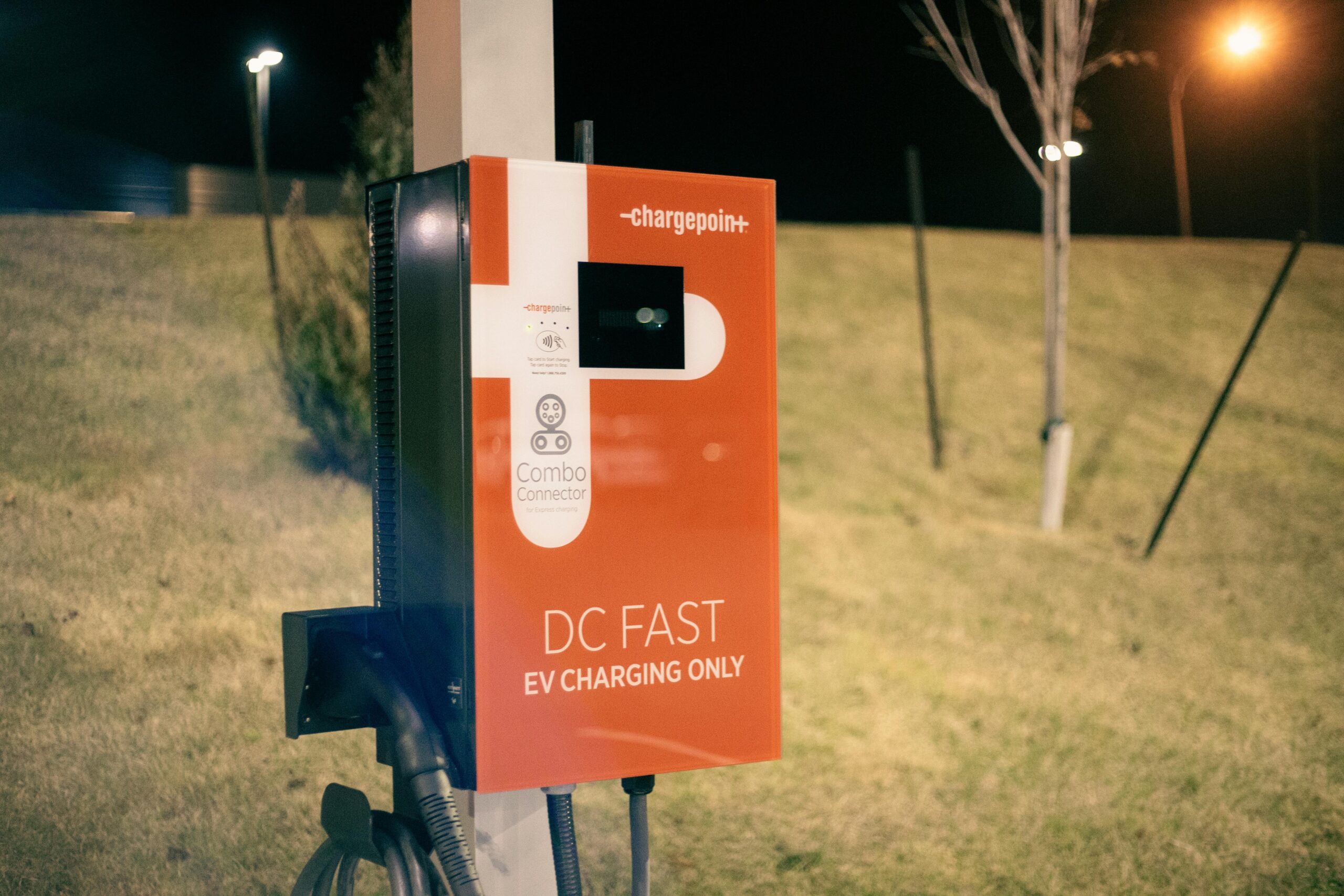
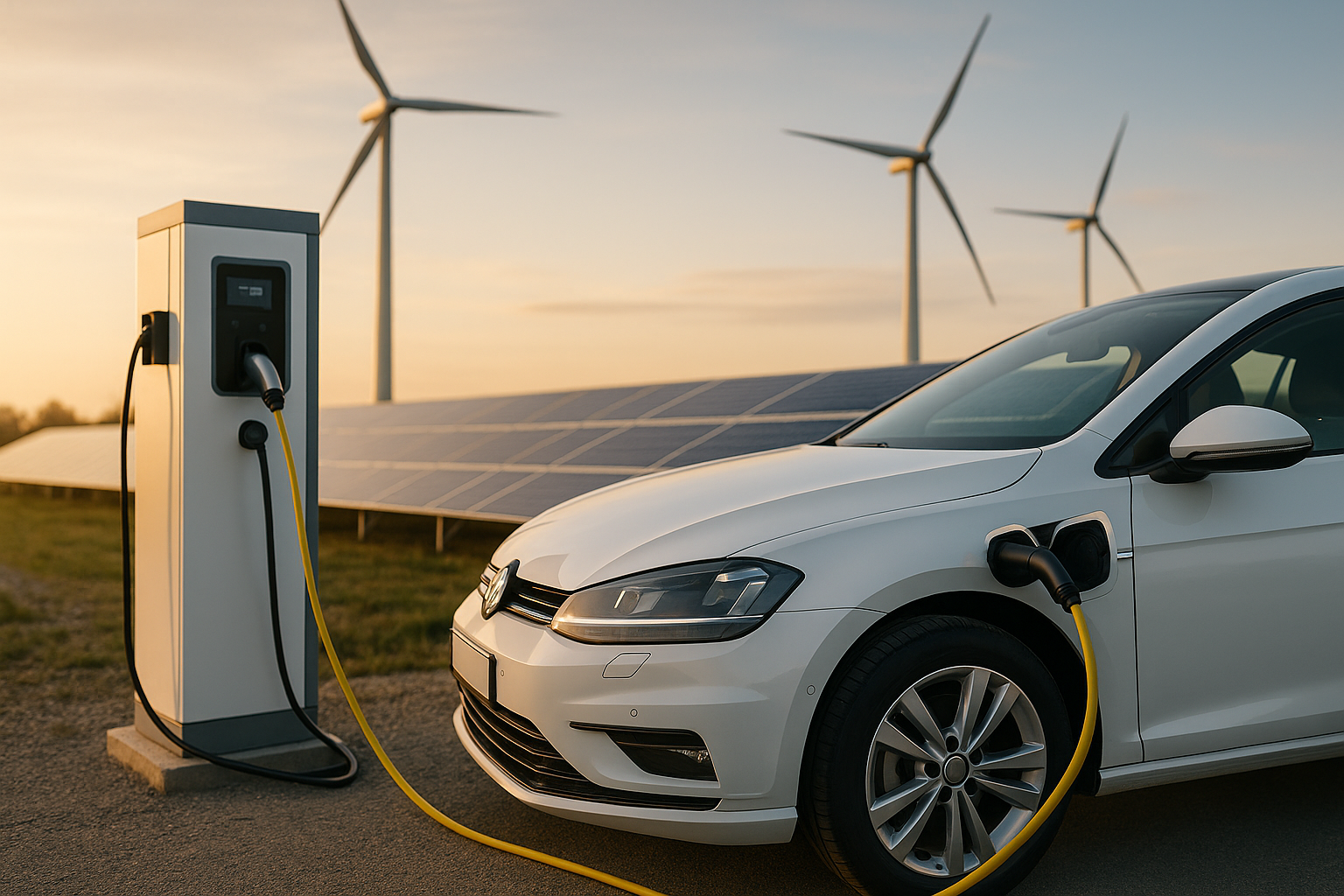
The synergy between EVs and renewable energy becomes most apparent when examining charging infrastructure powered by solar, wind, or hydroelectric sources. Solar-powered charging stations are proliferating across urban and suburban landscapes, allowing drivers to fuel their vehicles with energy captured directly from the sun. This integration eliminates the carbon footprint traditionally associated with transportation, creating a truly sustainable mobility solution.
Battery technology improvements have addressed many early concerns about EV viability. Modern electric vehicles can travel 300-400 miles on a single charge, with some premium models exceeding 500 miles. Charging times have decreased dramatically, with fast-charging stations capable of delivering 80% charge in under 30 minutes. These advancements make EVs practical for daily commutes and long-distance travel alike.
Smart Grid Integration and Vehicle-to-Grid Technology 🔋
Perhaps the most innovative aspect of electric vehicle integration with renewable energy is vehicle-to-grid (V2G) technology. This bidirectional charging capability transforms EVs from mere consumers of electricity into mobile energy storage units that can supply power back to the grid during peak demand periods.
When thousands or millions of EVs connect to smart grids, they create a distributed energy storage network that addresses one of renewable energy’s biggest challenges: intermittency. Solar panels don’t generate electricity at night, and wind turbines don’t spin without wind. EVs charged during periods of high renewable energy production can release stored energy when generation dips, stabilizing the grid and maximizing renewable energy utilization.
This symbiotic relationship between transportation and energy infrastructure represents a paradigm shift in how we conceptualize both sectors. Rather than viewing them as separate systems, the integration creates a holistic ecosystem where transportation becomes an integral component of energy management strategy.
🌬️ Hydrogen: The Clean Fuel Alternative
While battery electric vehicles dominate current discussions about sustainable transportation, hydrogen fuel cell technology offers compelling advantages for certain applications. Hydrogen-powered vehicles generate electricity through a chemical reaction between hydrogen and oxygen, producing only water vapor as a byproduct—making them truly zero-emission vehicles.
The renewable energy connection becomes critical when examining hydrogen production methods. Green hydrogen, produced through electrolysis powered by renewable energy sources, represents the cleanest form of this fuel. Solar and wind energy can power electrolysis facilities that split water molecules into hydrogen and oxygen, creating a completely sustainable fuel cycle.
Hydrogen fuel cells offer particular advantages for heavy-duty transportation applications. Long-haul trucks, buses, trains, and even ships can benefit from hydrogen’s high energy density and rapid refueling times compared to battery systems. A hydrogen fuel cell truck can be refueled in minutes rather than hours, matching the convenience of traditional diesel vehicles while eliminating emissions.
Building Hydrogen Infrastructure
The development of hydrogen refueling infrastructure remains a significant challenge, but progress continues steadily. Countries like Japan, South Korea, and Germany have invested heavily in hydrogen station networks, while California leads hydrogen infrastructure development in the United States.
Strategic placement of hydrogen production facilities near renewable energy sources creates efficiency advantages. Wind farms in remote locations or solar installations in desert regions can produce hydrogen on-site, which can then be transported or used locally. This distributed production model reduces transmission losses and maximizes renewable energy utilization.
🚇 Public Transportation: The Renewable Energy Multiplier Effect
While personal vehicle electrification captures headlines, public transportation’s integration with renewable energy delivers outsized environmental benefits. Buses, trains, trams, and subways move many more people per unit of energy consumed, making their electrification particularly impactful.
Cities worldwide are transitioning bus fleets to electric models powered by renewable energy. Shenzhen, China, operates a fully electric bus fleet of over 16,000 vehicles, while major European and American cities rapidly expand their electric bus networks. These vehicles often charge at depots equipped with solar panels, creating completely sustainable transit systems.
Electric trains and trams have long histories, but modern systems increasingly source their electricity from renewable sources. Countries with extensive rail networks are investing in renewable energy generation specifically to power transportation infrastructure. Switzerland’s railways run predominantly on hydroelectric power, while other nations integrate wind and solar energy into rail operations.
Integrated Mobility Platforms and Optimization
Technology platforms that optimize public transportation routes and schedules contribute to sustainability by maximizing efficiency. Real-time data analysis helps reduce empty trips, optimize energy consumption, and improve service reliability, encouraging more people to choose public transit over personal vehicles.
These digital solutions create networks where renewable energy powers not just vehicles but entire transportation ecosystems. Smart city initiatives integrate transportation, energy management, and urban planning to create seamless, sustainable mobility experiences.
🚲 Micromobility and Last-Mile Solutions
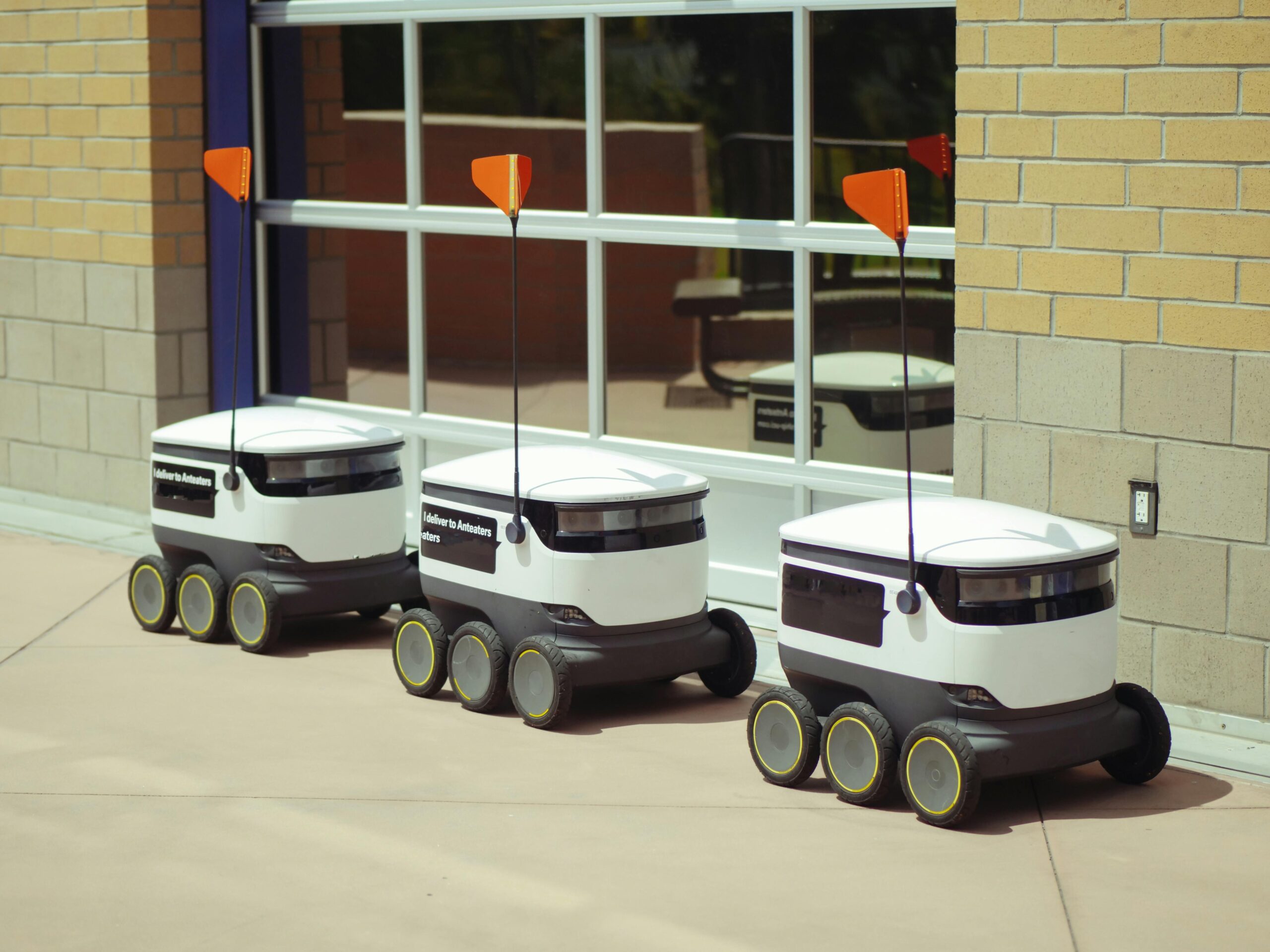
The emergence of micromobility options—electric bicycles, scooters, and similar compact vehicles—represents another dimension of sustainable transportation. These devices require minimal energy, typically charged from standard electrical outlets that can be powered by renewable sources.
Shared micromobility services have proliferated in urban areas, offering convenient alternatives for short trips that might otherwise require cars. When combined with public transportation, these options create comprehensive mobility networks that reduce automobile dependence and associated emissions.
Solar-powered charging stations for micromobility devices are becoming common in forward-thinking cities. These installations provide convenient charging while demonstrating the practical integration of renewable energy into daily transportation needs.
📊 Policy Frameworks Driving Sustainable Transportation
Government policies play crucial roles in accelerating the integration of transportation and renewable energy. Regulatory frameworks, incentives, and infrastructure investments create environments where sustainable alternatives can compete with and eventually surpass traditional fossil fuel-based transportation.
Many countries have announced phase-out dates for internal combustion engine vehicle sales, typically ranging from 2030 to 2040. Norway leads this transition, with electric vehicles already comprising the majority of new car sales. These policy commitments signal clear market directions and encourage manufacturers to invest in electric and hydrogen vehicle development.
Financial incentives significantly impact adoption rates. Tax credits, rebates, reduced registration fees, and toll exemptions make sustainable vehicles more economically attractive. Some jurisdictions offer additional incentives when buyers can demonstrate their vehicles will be charged primarily from renewable energy sources.
Infrastructure Investment and Urban Planning
Public investment in charging infrastructure removes barriers to electric vehicle adoption. Strategic placement of charging stations along highways, in parking facilities, and throughout residential areas creates confidence that electric vehicles can meet all transportation needs.
Urban planning increasingly incorporates sustainable transportation principles. New developments include charging infrastructure from the design phase, while cities redesign streets to prioritize public transit, cycling, and walking over automobile traffic. These comprehensive approaches create environments where sustainable transportation becomes the natural choice.
🔬 Technological Innovations on the Horizon
Emerging technologies promise to further enhance the integration of transportation and renewable energy. Solid-state batteries under development offer higher energy density, faster charging, and improved safety compared to current lithium-ion technology. These advances could extend electric vehicle ranges beyond 600 miles while reducing charging times to match conventional refueling.
Wireless charging technology could transform how electric vehicles interact with infrastructure. Roads embedded with charging systems could power vehicles while driving, eliminating range anxiety entirely. Pilot programs testing this technology show promising results, though widespread implementation faces cost and technical challenges.
Autonomous vehicles present both opportunities and challenges for sustainable transportation. Self-driving electric vehicles could optimize routes for energy efficiency, coordinate with smart grids to charge during peak renewable energy generation, and facilitate shared mobility services that reduce overall vehicle numbers. However, realizing these benefits requires thoughtful policy and planning to ensure automation enhances rather than undermines sustainability goals.
Advanced Materials and Manufacturing
Innovations in vehicle manufacturing contribute to sustainability beyond powering methods. Lightweight materials reduce energy consumption regardless of power source, while recycled and bio-based materials decrease manufacturing’s environmental impact. Circular economy principles applied to vehicle production create systems where materials continuously cycle through use and remanufacturing rather than ending as waste.
Renewable energy powers an increasing share of manufacturing facilities, reducing vehicles’ total lifecycle emissions. Companies like Tesla power factories with solar installations, creating products whose sustainability begins at the production stage.
🌍 Global Perspectives and Regional Variations
The integration of transportation and renewable energy unfolds differently across global regions, reflecting varying resources, priorities, and developmental stages. Europe leads policy innovation and implementation, with aggressive emission reduction targets and comprehensive support for sustainable transportation infrastructure.
China dominates electric vehicle production and adoption in absolute numbers, manufacturing the majority of the world’s batteries and electric vehicles. Government industrial policy and urban air quality concerns drive rapid electrification of transportation across Chinese cities.
Developing nations face unique challenges and opportunities. While lacking extensive legacy infrastructure, these countries can potentially leapfrog directly to sustainable transportation systems. Solar-powered electric vehicle charging suits regions with abundant sunshine and limited electrical grid development, potentially providing both transportation and energy access.
💡 Economic Implications and Market Transformation
The transition toward sustainable transportation creates enormous economic opportunities alongside challenges for traditional industries. The electric vehicle market already represents hundreds of billions of dollars in annual value, with projections suggesting continued exponential growth.
Job creation in renewable energy and sustainable transportation sectors offsets losses in fossil fuel industries. Manufacturing, installation, and maintenance of charging infrastructure, solar panels, wind turbines, and electric vehicles generate employment across skill levels. Workforce transition programs help workers move from declining industries into growing sustainable sectors.
Total cost of ownership increasingly favors electric vehicles over conventional alternatives. Despite higher upfront costs, lower fuel and maintenance expenses mean EVs often cost less over their lifetimes. As battery costs continue declining, purchase price parity approaches, removing the final major barrier to mass adoption.
🌱 Environmental Impact and Climate Benefits
The ultimate justification for integrating transportation with renewable energy lies in environmental benefits. Transportation electrification powered by renewables offers dramatic emission reductions compared to fossil fuel vehicles. Even when accounting for manufacturing emissions and electricity generation, electric vehicles powered by renewable energy produce 70-90% fewer lifecycle emissions than gasoline vehicles.
Air quality improvements in cities adopting electric transportation are measurable and significant. Reduced particulate matter and nitrogen oxide emissions translate directly into public health benefits, including decreased respiratory illnesses and associated healthcare costs.
Meeting international climate commitments like the Paris Agreement requires transportation sector transformation. Current trajectories show that without rapid adoption of sustainable alternatives, transportation emissions will undermine progress made in other sectors. Conversely, successful integration of transportation and renewable energy can accelerate achievement of climate goals.
🚀 Accelerating the Transition: What Comes Next
The momentum behind sustainable transportation continues building, but accelerating this transition requires coordinated effort across multiple domains. Continued technological innovation must reduce costs and improve performance of both vehicles and renewable energy systems. Policy frameworks need strengthening and expansion to create clear, consistent signals encouraging sustainable choices.
Public awareness and engagement remain critical. As more people experience electric vehicles and witness renewable energy integration benefits, social acceptance grows, creating virtuous cycles of adoption. Education initiatives explaining sustainable transportation’s advantages help overcome skepticism and misinformation.
Private sector investment continues driving innovation and deployment. Automotive manufacturers worldwide have committed hundreds of billions of dollars to electric vehicle development, while energy companies increasingly invest in renewable generation and charging infrastructure. These market forces, combined with policy support and technological progress, create powerful momentum toward sustainable transportation systems.
The integration of transportation with renewable energy represents more than technological evolution—it embodies a fundamental reimagining of how human mobility can exist in harmony with environmental sustainability. From electric vehicles charged by solar power to hydrogen produced from wind energy, from smart grids optimizing energy flow to micromobility solutions reducing car dependence, the pieces of a sustainable transportation future are falling into place.
Challenges certainly remain, including infrastructure gaps, remaining cost barriers, and the massive scale of global transformation required. However, the trajectory is clear, the technologies are proven, and the benefits—environmental, economic, and social—are compelling. The journey toward a greener tomorrow through integrated sustainable transportation has truly begun, driven by innovation, necessity, and collective commitment to preserving our planet for future generations.