Finding a parking spot has never been easier. Smart parking management systems are transforming urban mobility, making the once-frustrating task of parking effortless and efficient.

🚗 The Parking Problem That Cities Face Today
Urban parking has become one of the most pressing challenges in modern cities. Studies show that drivers spend an average of 17 hours per year searching for parking spots, contributing to traffic congestion, air pollution, and unnecessary stress. This inefficiency costs billions in wasted fuel and lost productivity annually.
Traditional parking systems rely on manual processes, static signage, and guesswork. Drivers circle blocks repeatedly, hoping to stumble upon an available space. This outdated approach no longer meets the needs of growing urban populations and increasing vehicle ownership rates.
The environmental impact is equally concerning. Vehicles searching for parking produce significant carbon emissions, with research indicating that up to 30% of urban traffic congestion stems from parking-related searches. Smart parking solutions address these multifaceted problems through innovative technology.
🎯 What Makes Parking Management Systems “Smart”?
Smart parking management systems integrate advanced technologies to optimize parking space utilization. These solutions combine sensors, real-time data analytics, mobile applications, and automated payment systems to create seamless parking experiences.
At their core, these systems use IoT (Internet of Things) sensors installed in parking spaces to detect vehicle presence. This data feeds into centralized platforms that provide real-time availability information to drivers through mobile apps or digital signage.
Machine learning algorithms analyze historical parking patterns, predicting demand fluctuations throughout the day. This predictive capability allows operators to implement dynamic pricing strategies that distribute parking demand more evenly across available facilities.
Key Technologies Powering Smart Parking
Several technological components work together to create effective smart parking ecosystems. Ultrasonic sensors, magnetic sensors, and camera-based systems detect vehicle occupancy with high accuracy. Cloud computing platforms process vast amounts of data in real-time, enabling instant updates.
Mobile applications serve as the primary user interface, allowing drivers to locate, reserve, and pay for parking spaces from their smartphones. GPS integration guides drivers directly to available spots, eliminating unnecessary searching.
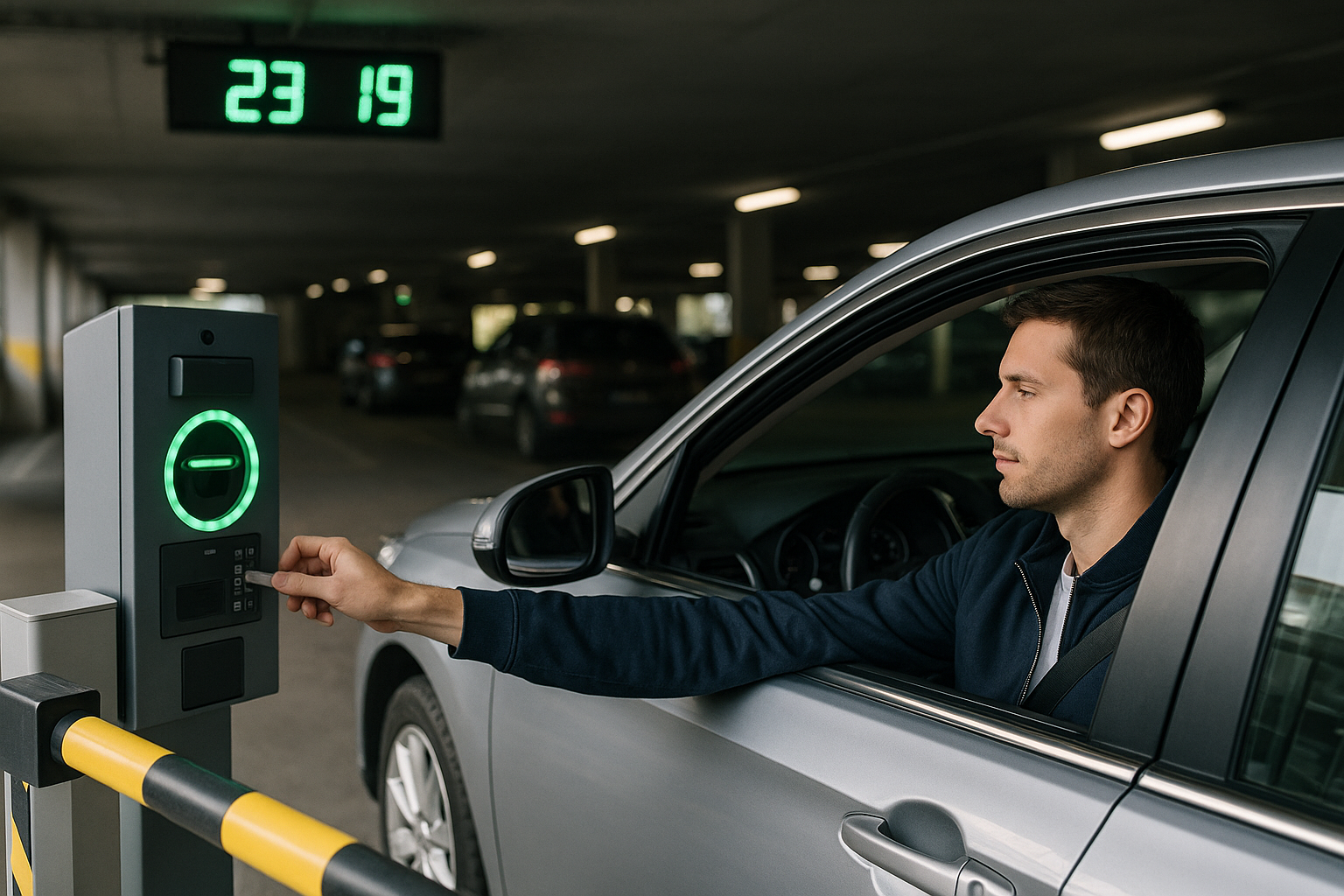
Payment processing systems support multiple methods including credit cards, mobile wallets, and subscription models. Automated license plate recognition (ALPR) technology enables barrier-free entry and exit, streamlining the entire parking experience.
💡 Revolutionary Benefits for Drivers
Smart parking systems deliver tangible benefits that transform the driver experience. The most immediate advantage is time savings—drivers can locate available parking before arriving at their destination, reducing search time by up to 70%.
Stress reduction is another significant benefit. The anxiety associated with finding parking, especially during peak hours or in unfamiliar areas, disappears when drivers have accurate, real-time information at their fingertips.
Cost efficiency improves through dynamic pricing and reservation systems. Drivers can compare prices across different parking facilities, choose budget-friendly options, and avoid expensive penalties from overstaying or parking violations.
Enhanced Convenience Features
Modern smart parking apps offer features that extend beyond basic space finding. Users can extend parking sessions remotely without returning to their vehicles, receive expiration reminders, and access parking history for expense tracking.
Integration with navigation systems provides turn-by-turn directions to reserved parking spots. Some advanced systems even remember where users parked, helping them locate their vehicles in large facilities.
Contactless payment options eliminate the need for cash or parking meters. Digital receipts and automatic invoicing simplify expense management for business travelers and fleet operators.
🏙️ Transforming Urban Infrastructure Management
Cities implementing smart parking systems gain powerful tools for urban planning and traffic management. Real-time occupancy data reveals parking utilization patterns, informing decisions about infrastructure investments and zoning regulations.
Municipalities can reduce traffic congestion by directing drivers to underutilized parking areas, distributing vehicle flow more evenly throughout the city. This optimization reduces wear on heavily trafficked routes and improves overall traffic flow.
Revenue generation improves through more efficient enforcement and dynamic pricing strategies. Cities can implement demand-based pricing that encourages turnover in high-demand areas while making less convenient locations more attractive through lower rates.
Environmental and Sustainability Impacts
The environmental benefits of smart parking extend beyond reduced emissions from eliminated search time. Cities can promote sustainable transportation by integrating parking systems with public transit information, encouraging multimodal journeys.
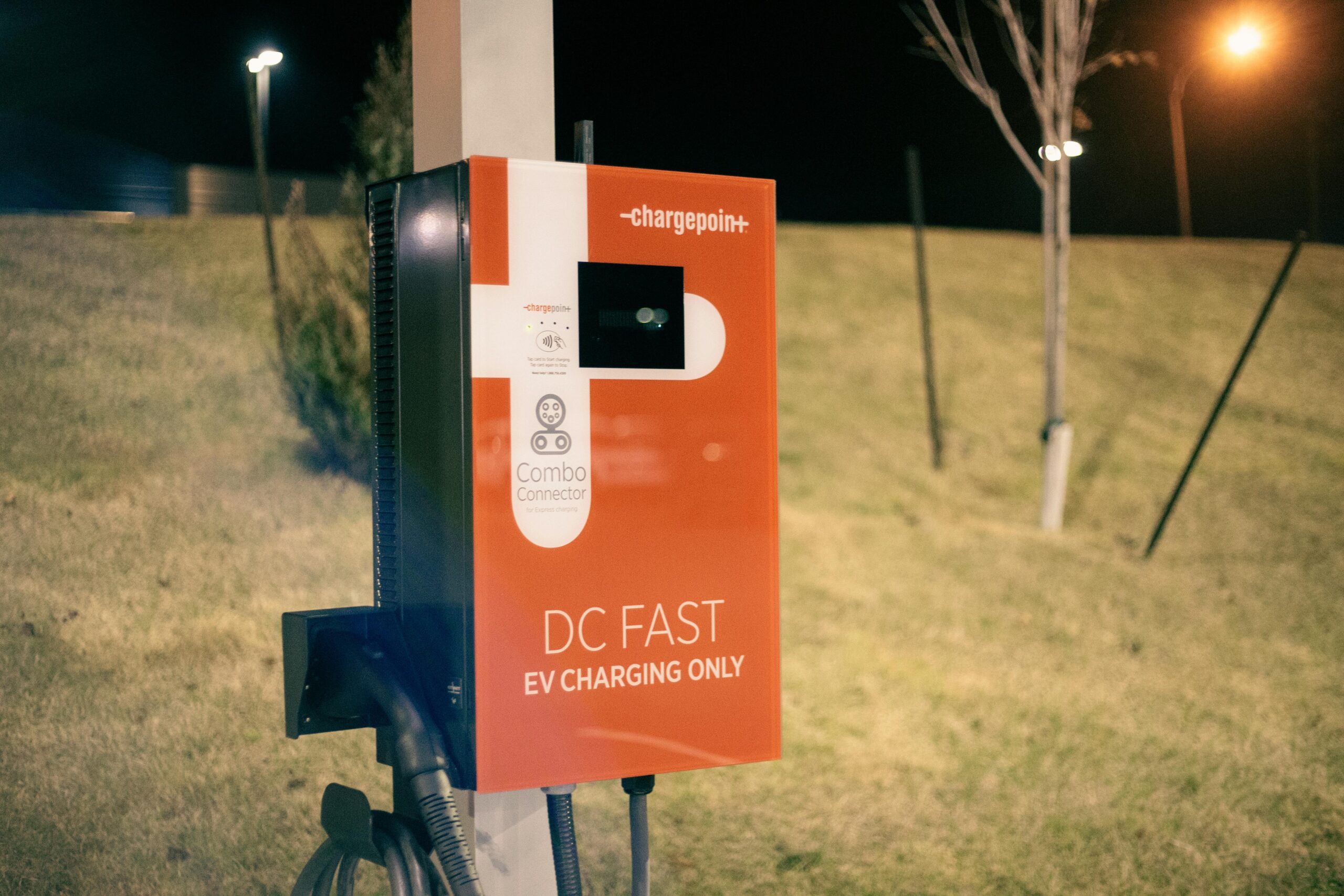
Electric vehicle charging integration represents another sustainability advantage. Smart parking platforms can direct EV drivers to available charging stations, manage charging schedules, and process payments through the same interface.
Data analytics help cities plan green spaces and pedestrian zones by identifying areas where parking demand can be reduced or relocated, creating more livable urban environments.
📊 The Business Case for Parking Operators
Parking facility operators experience substantial operational improvements through smart management systems. Automated operations reduce staffing requirements and associated labor costs while improving service quality and customer satisfaction.
Revenue optimization occurs through better utilization of existing spaces. Analytics identify peak demand periods, enabling operators to adjust pricing dynamically and maximize income per space.
Maintenance costs decrease with predictive analytics that identify equipment issues before they cause system failures. Real-time monitoring of payment systems, gates, and sensors enables proactive maintenance scheduling.
Competitive Advantages in the Market
Facilities equipped with smart parking technology attract more customers, particularly tech-savvy urban professionals who prioritize convenience. Positive user experiences drive repeat business and customer loyalty.
Integration capabilities with commercial partners create additional revenue streams. Parking operators can offer validation programs to nearby businesses, creating symbiotic relationships that benefit both parties.
Data monetization opportunities exist through anonymized parking pattern data, valuable to retailers, urban planners, and real estate developers seeking insights into traffic patterns and consumer behavior.
🔧 Implementation Challenges and Solutions
Despite their benefits, smart parking systems face implementation challenges. Initial investment costs can be substantial, particularly for large facilities requiring extensive sensor networks and infrastructure upgrades.
Technology integration with legacy systems presents technical hurdles. Many existing parking facilities operate on outdated equipment that requires replacement or adaptation to work with modern smart systems.
User adoption represents another challenge. Success depends on drivers downloading apps, creating accounts, and changing established parking habits. Education campaigns and intuitive user interfaces help overcome this barrier.
Overcoming Technical Obstacles
Phased implementation strategies make smart parking adoption more manageable. Operators can start with pilot programs in high-value areas, demonstrating ROI before expanding systemwide.
Cloud-based platforms reduce infrastructure costs by eliminating the need for expensive on-premise servers. Software-as-a-service models spread costs over time, improving cash flow for operators.
Partnership with experienced technology providers accelerates implementation and reduces technical risks. Established vendors offer proven solutions, integration support, and ongoing maintenance services.
🌐 Real-World Success Stories
Cities worldwide demonstrate the transformative potential of smart parking systems. San Francisco’s SFpark program reduced search time by 43% and decreased greenhouse gas emissions by 30% in pilot areas through demand-responsive pricing.
Barcelona implemented smart parking across the city, integrating sensors with a mobile app that guides drivers to available spaces. The system reduced traffic congestion by 20% in implemented zones and improved air quality measurements.
Los Angeles deployed smart parking meters that adjust pricing based on demand, generating increased revenue while improving parking availability. The system’s success led to expansion across multiple neighborhoods.
Corporate Campus Applications
Private sector implementations yield impressive results as well. Corporate campuses use smart parking to manage employee and visitor parking efficiently, reducing the land devoted to parking and creating space for other amenities.
Universities implement smart systems to manage complex parking needs across multiple user groups including students, faculty, staff, and visitors. Dynamic allocation based on time of day optimizes limited parking resources.
Shopping centers and entertainment venues use smart parking to enhance customer experience, reducing frustration and encouraging longer visits. Integration with loyalty programs creates personalized parking experiences.
🚀 The Future of Parking Technology
Emerging technologies promise even more revolutionary changes to parking systems. Autonomous vehicles will communicate directly with parking infrastructure, automatically locating and navigating to available spaces without driver intervention.
Blockchain technology could enable decentralized parking marketplaces where property owners monetize private parking spaces during unused hours, dramatically expanding parking capacity in urban areas.
Artificial intelligence will provide increasingly sophisticated predictions and recommendations, learning individual driver preferences and suggesting optimal parking solutions based on destination, budget, and timing.
Integration with Smart City Ecosystems
Future smart parking systems will integrate seamlessly with broader smart city initiatives. Unified mobility platforms will combine parking with public transit, ride-sharing, bike-sharing, and micro-mobility options in single applications.
Vehicle-to-infrastructure communication will enable cars to reserve parking spots automatically as they approach destinations, prepay for parking, and receive traffic routing that accounts for parking availability at the destination.
Augmented reality interfaces may guide drivers to parking spots with visual overlays, while voice-activated assistants handle parking reservations and payments through natural language commands.
💼 Choosing the Right Smart Parking Solution
Selecting appropriate smart parking technology requires careful evaluation of specific needs and circumstances. Facility size, user demographics, budget constraints, and integration requirements all influence the optimal solution.
Scalability should be a primary consideration. Systems should accommodate future growth and technology upgrades without requiring complete replacement. Modular architectures allow incremental expansion as needs evolve.
User experience quality determines adoption rates and success. Systems with intuitive interfaces, reliable performance, and responsive customer support generate positive user feedback and higher utilization.
Essential Features to Prioritize
Real-time availability updates form the foundation of effective smart parking. Systems must provide accurate, current information with minimal latency to guide driver decisions effectively.
Multiple payment options accommodate diverse user preferences and increase accessibility. Support for credit cards, mobile wallets, and subscription models ensures broad appeal.
Robust analytics and reporting capabilities enable data-driven optimization. Operators need insights into utilization patterns, revenue trends, and user behavior to make informed management decisions.
🎓 Making the Transition to Smart Parking
Organizations considering smart parking adoption should begin with thorough needs assessment. Understanding current pain points, user expectations, and operational challenges informs solution selection and implementation planning.
Stakeholder engagement ensures buy-in from all parties affected by the transition. Communication with users, operators, and administrators addresses concerns and builds support for change.
Pilot programs provide valuable learning opportunities before full-scale deployment. Testing systems in limited areas identifies issues, refines processes, and demonstrates benefits to skeptical stakeholders.
Smart parking management systems represent a genuine revolution in how we approach parking challenges. By leveraging advanced technologies including sensors, data analytics, mobile applications, and automated payment systems, these solutions transform parking from a frustrating necessity into an effortless experience.
The benefits extend far beyond individual convenience. Cities reduce traffic congestion and emissions, operators increase revenue and efficiency, and urban environments become more sustainable and livable. As technology continues advancing and autonomous vehicles approach widespread adoption, smart parking systems will become increasingly integral to urban mobility ecosystems.
The transition to smart parking requires investment and commitment, but the returns justify the effort. Organizations that embrace these systems position themselves at the forefront of urban innovation, delivering superior experiences while contributing to more efficient, sustainable cities. The parking revolution is here—and it’s making urban life better for everyone. 🌟