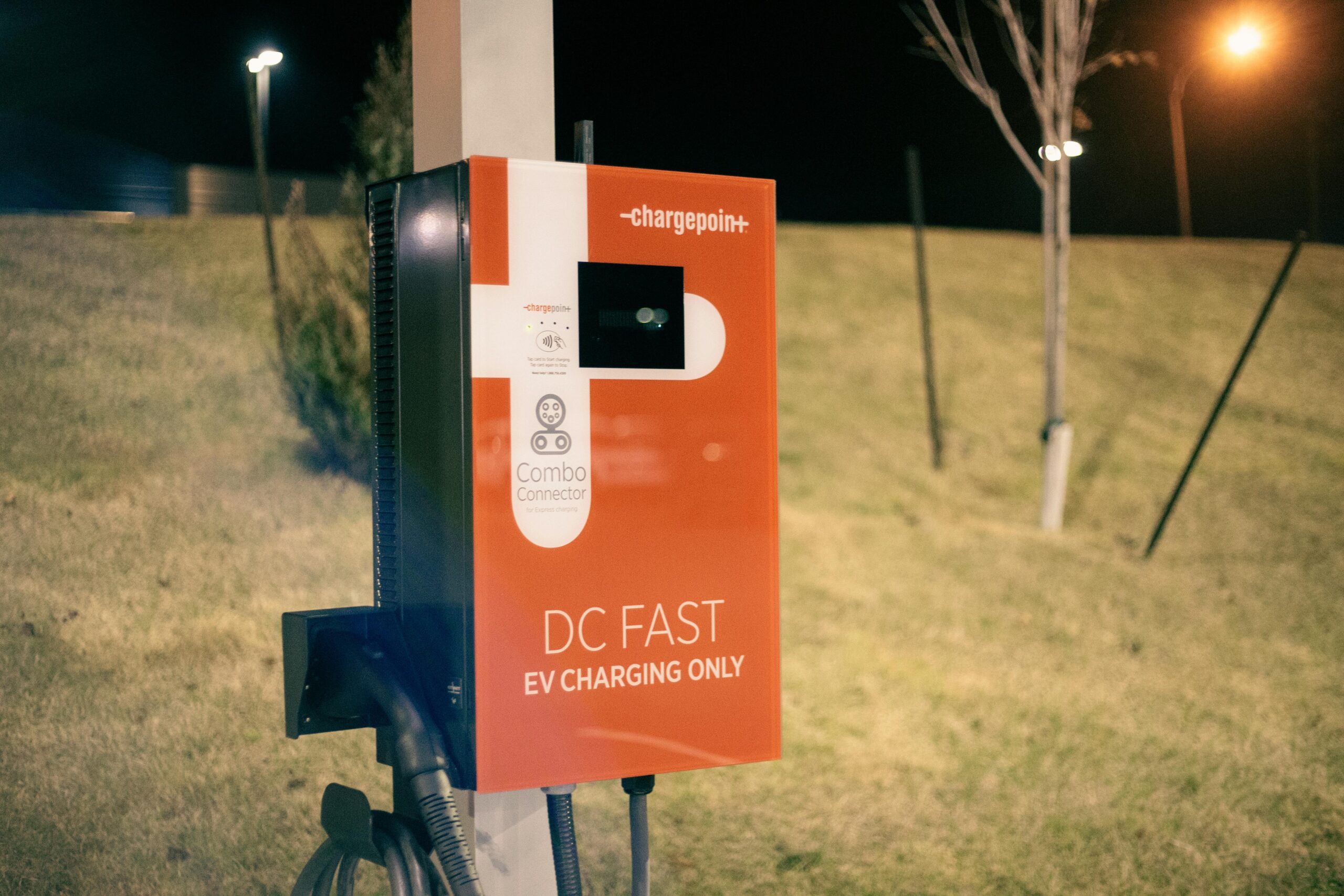
The shift towards sustainable transport is no longer optional—it’s imperative. Governments worldwide are implementing transformative policies to reduce carbon emissions and create cleaner, more efficient transportation systems for future generations.

🌍 The Urgent Need for Sustainable Transportation Reform
Transportation accounts for approximately 24% of global CO2 emissions, making it one of the largest contributors to climate change. As urban populations continue to grow and vehicle ownership increases, the environmental impact of conventional transport systems has reached critical levels. This reality has prompted governments across the globe to prioritize sustainable transport policies as a cornerstone of their climate action strategies.
The consequences of inaction are dire. Air pollution from vehicles causes millions of premature deaths annually, while traffic congestion costs economies billions in lost productivity. Climate scientists warn that without significant changes to how we move people and goods, achieving the Paris Agreement targets will remain out of reach. These challenges have catalyzed a wave of innovative government interventions designed to fundamentally reshape our transportation landscape.
Electric Vehicle Revolution: Policies Driving the Charge
Electric vehicles (EVs) have emerged as the frontrunner in the race toward sustainable personal transportation. Governments are deploying comprehensive policy frameworks to accelerate EV adoption, recognizing that internal combustion engines must be phased out to meet climate goals.
Financial Incentives and Subsidies 💰
Many countries have introduced generous financial incentives to make electric vehicles more accessible to consumers. These include purchase subsidies, tax credits, reduced registration fees, and exemptions from road taxes. Norway, a global leader in EV adoption, offers multiple benefits including no purchase tax, reduced toll charges, and access to bus lanes. The result? Over 80% of new car sales in Norway are now electric or hybrid vehicles.
The United States expanded its federal tax credit program, offering up to $7,500 for qualifying electric vehicle purchases. Meanwhile, countries like Germany, France, and China have implemented similar schemes, with China alone investing billions in EV subsidies to dominate the global electric vehicle market.
Charging Infrastructure Development
Recognizing that range anxiety remains a significant barrier to EV adoption, governments are investing heavily in charging infrastructure. The European Union has mandated that member states install charging stations at regular intervals along major highways. The UK government has committed to banning new petrol and diesel car sales by 2030, backed by substantial investment in public charging networks.
These infrastructure initiatives extend beyond public charging stations. Many jurisdictions now require new residential and commercial buildings to include EV charging capabilities, ensuring that charging access keeps pace with vehicle adoption.
Public Transportation: The Backbone of Urban Sustainability
While personal vehicle electrification is crucial, governments recognize that truly sustainable cities require robust public transportation systems. Investments in buses, trains, trams, and metro systems can move more people with fewer emissions per capita.
Electrifying Public Transit Fleets 🚌
Cities worldwide are transitioning their public bus fleets to electric or hydrogen fuel cell alternatives. Shenzhen, China, achieved a remarkable milestone by converting its entire 16,000-bus fleet to electric vehicles. London has committed to operating a zero-emission bus fleet by 2030, while Los Angeles aims to achieve the same goal by 2028.
These transitions require significant upfront investment, but governments are finding that the long-term operational savings and environmental benefits justify the costs. Electric buses have lower maintenance requirements and operating costs compared to diesel counterparts, creating economic sustainability alongside environmental benefits.
Expanding Rail and Metro Networks
High-speed rail and metro expansion projects are receiving unprecedented government backing. Rail transport offers one of the most energy-efficient means of moving large numbers of people, with significantly lower per-passenger emissions than air or road travel.
The European Union continues to invest in cross-border high-speed rail connections, aiming to create seamless sustainable travel across the continent. India is undertaking massive railway electrification projects, while countries like Spain and Japan maintain extensive high-speed rail networks that serve as models for sustainable intercity transport.
Active Transportation: Pedaling Toward Greener Cities 🚴
Government policies are increasingly recognizing the importance of human-powered transportation. Walking and cycling infrastructure investments deliver multiple benefits: zero emissions, improved public health, reduced congestion, and enhanced urban livability.
Cycling Infrastructure Revolution
The Netherlands and Denmark have long been cycling pioneers, but other nations are rapidly catching up. Cities like Paris, Barcelona, and Bogotá have implemented ambitious plans to create extensive protected cycling networks. Paris, under its “Plan Vélo,” has committed billions of euros to make cycling the city’s primary mode of transport.
These initiatives include protected bike lanes, bicycle highways connecting suburbs to city centers, secure parking facilities, and bike-sharing programs. Governments are also implementing policies to reduce speed limits in urban areas, creating safer environments for cyclists and pedestrians.
Pedestrian-Friendly Urban Design
Progressive cities are reclaiming streets from cars and returning them to people. Barcelona’s “superblocks” program restricts vehicle access in designated neighborhoods, creating pedestrian-priority zones. Similar concepts are being implemented in cities across Europe, North America, and Asia.
These policies recognize that sustainable transport isn’t just about cleaner vehicles—it’s about reducing the need for vehicular travel altogether by creating walkable, livable neighborhoods where daily needs are accessible without cars.
Regulatory Frameworks: Setting Standards for Change
Beyond incentives and infrastructure, governments are implementing regulatory frameworks that establish mandatory standards for vehicle emissions and fuel efficiency.
Emission Standards and Phase-Out Dates 📅
Increasingly stringent emission standards are pushing manufacturers to innovate. The European Union’s Euro 6 standards and California’s Zero Emission Vehicle mandate have driven significant improvements in vehicle technology. Many jurisdictions have now announced definitive phase-out dates for internal combustion engine vehicles.
The UK, Sweden, Denmark, and several other European nations have committed to banning new petrol and diesel vehicle sales by 2030 or 2035. These clear timelines provide industry certainty and accelerate the transition to electric alternatives.
Low Emission Zones and Congestion Charging
Cities are establishing low emission zones that restrict or charge higher fees for polluting vehicles entering designated areas. London’s Ultra Low Emission Zone charges daily fees for non-compliant vehicles, significantly reducing air pollution in the city center. Similar schemes operate in Milan, Stockholm, Singapore, and numerous other cities.
These policies serve dual purposes: generating revenue for sustainable transport investments while discouraging the use of polluting vehicles and encouraging modal shifts to public transport or active transportation.
Freight and Logistics: Greening the Supply Chain 📦
Passenger transport receives significant attention, but freight movement accounts for a substantial portion of transport emissions. Governments are implementing policies to decarbonize logistics and supply chains.
Last-Mile Delivery Innovation
Urban freight delivery is being transformed through policy interventions that promote electric delivery vehicles, cargo bikes, and consolidation centers. Cities like Amsterdam and Copenhagen have established micro-distribution hubs where goods are transferred to cargo bikes for final delivery, reducing truck traffic in city centers.
Regulations requiring delivery companies to use zero-emission vehicles for urban deliveries are becoming more common. These policies are spurring innovation in electric vans, delivery robots, and alternative logistics models.
Rail Freight Revival
Governments are investing in rail freight infrastructure to shift goods movement from roads to railways. Rail freight produces significantly lower emissions per ton-kilometer than trucking, making it an essential component of sustainable freight strategies.
The EU’s Shift2Rail initiative aims to double rail freight’s market share by investing in technology improvements and infrastructure upgrades. Similar programs exist in North America and Asia, recognizing rail’s crucial role in sustainable logistics.
🌟 Integrated Mobility Solutions: The Future of Transport
Forward-thinking governments are moving beyond mode-specific policies toward integrated mobility strategies that combine multiple transport options into seamless user experiences.
Mobility-as-a-Service (MaaS) Frameworks
MaaS platforms integrate various transport modes—public transit, bike-sharing, car-sharing, ride-hailing—into single applications that allow users to plan, book, and pay for multimodal journeys. Governments are creating regulatory frameworks to support MaaS development while ensuring equity and accessibility.
Finland pioneered MaaS policies, establishing a legal framework that requires transport operators to open their ticketing systems to third-party platforms. This approach is being studied and adapted by governments worldwide as they recognize that convenient, integrated mobility can reduce private car dependency.
Shared Mobility Regulation
Bike-sharing, scooter-sharing, and car-sharing services have proliferated rapidly, sometimes outpacing regulatory frameworks. Governments are developing policies to harness these services’ sustainability potential while managing issues like sidewalk clutter and safety.
Effective regulations include vehicle caps, parking requirements, data-sharing mandates, and operational standards. When properly regulated, shared mobility services complement public transport and reduce the need for private vehicle ownership.
Funding Sustainable Transport: Investment Strategies 💵
Transforming transportation systems requires substantial financial resources. Governments are employing diverse funding mechanisms to support sustainable transport initiatives.
Green Bonds and Climate Finance
Many governments issue green bonds specifically designated for sustainable transport projects. These financial instruments attract environmentally conscious investors while funding infrastructure development. The global green bond market has grown exponentially, with transport projects representing a significant portion of proceeds.
Carbon Pricing and Revenue Recycling
Carbon taxes and cap-and-trade systems generate revenue that can be directed toward sustainable transport investments. British Columbia’s carbon tax revenue partly funds public transit improvements, creating a virtuous cycle where polluters fund alternatives to pollution.
This approach creates political sustainability by demonstrating that carbon pricing isn’t just a burden but a mechanism for funding solutions that benefit everyone.
Equity and Accessibility: Ensuring Just Transitions
Sustainable transport policies must address equity concerns to ensure that transitions don’t disproportionately burden disadvantaged communities. Governments are implementing measures to ensure just and inclusive transitions.
Targeted Support for Low-Income Communities
Enhanced subsidies for electric vehicle purchases in low-income communities, improved public transit in underserved areas, and programs that provide affordable access to shared mobility services help ensure equitable access to sustainable transport options.
California’s Clean Vehicle Assistance Program provides additional financial support to low-income residents purchasing electric vehicles, while also offering vehicle retirement programs that help transition older, polluting vehicles off roads.
Rural and Regional Considerations
Sustainable transport policies must address the unique challenges of rural and regional areas where public transport may be less viable and travel distances are greater. Governments are exploring solutions including rural electric vehicle charging networks, demand-responsive transport services, and support for electric vehicle adoption in areas where alternatives are limited.
International Cooperation: Global Solutions for Global Challenges 🌐
Climate change and sustainable transport are inherently global challenges requiring international cooperation. Governments are working together through various forums and agreements to accelerate the transition.
The International Energy Agency’s Electric Vehicles Initiative brings together governments to share best practices and coordinate policies. The C40 Cities Climate Leadership Group connects urban leaders committed to climate action, facilitating knowledge exchange on sustainable urban transport strategies.
International cooperation also extends to technology transfer and capacity building, with developed nations supporting developing countries in leapfrogging to cleaner transport technologies without repeating the carbon-intensive development paths of the past.
Measuring Success: Metrics and Accountability
Effective policies require clear metrics and accountability mechanisms. Governments are establishing frameworks to track progress toward sustainable transport goals.
Key performance indicators include greenhouse gas emissions reductions, air quality improvements, public transport ridership, active transportation mode share, and electric vehicle adoption rates. Regular reporting and transparent data publication help maintain political momentum and public support for sustainable transport initiatives.
Many jurisdictions have established independent climate accountability bodies that assess whether government policies are sufficient to meet climate targets, providing crucial oversight and recommendations for policy enhancement.

The Road Ahead: Accelerating the Transition 🚀
While significant progress has been made, the pace of change must accelerate dramatically to meet climate goals. Government policies will need to become more ambitious, comprehensive, and rapid in implementation.
Emerging technologies like autonomous vehicles, advanced battery technologies, and hydrogen fuel cells present both opportunities and challenges for policymakers. Governments must create adaptive policy frameworks that can respond to technological change while maintaining focus on core sustainability objectives.
The transition to sustainable transport is not merely an environmental imperative—it represents an opportunity to create healthier, more livable cities, reduce energy dependence, stimulate economic innovation, and improve quality of life for billions of people.
Success requires sustained political commitment, adequate funding, inclusive stakeholder engagement, and recognition that sustainable transport is not a single solution but a portfolio of interconnected policies addressing different aspects of how people and goods move through space.
As governments worldwide unveil and implement increasingly ambitious sustainable transport policies, the vision of a greener transportation future moves from aspiration to reality. The policies being deployed today—from electric vehicle incentives to cycling infrastructure, from public transit investments to regulatory frameworks—are laying the foundation for a transportation system that serves both people and planet.
The journey toward truly sustainable transport is long and complex, but with comprehensive government policies, adequate resources, technological innovation, and public engagement, the destination is within reach. Every policy implemented, every electric bus deployed, every protected bike lane constructed, and every emission standard strengthened brings us closer to a future where mobility and sustainability are not competing priorities but complementary realities.