Modern cities are transforming how they protect people on foot, using cutting-edge technology and thoughtful design to reduce accidents and save lives.

🚶 The Growing Need for Pedestrian Safety Innovation
Every year, millions of pedestrians worldwide face serious risks simply crossing the street or walking along roadways. According to the World Health Organization, pedestrian fatalities account for approximately 23% of all road traffic deaths globally. This alarming statistic has pushed urban planners, engineers, and technology developers to reimagine street infrastructure and create smarter solutions for protecting vulnerable road users.
The challenge is particularly acute in rapidly urbanizing areas where vehicle traffic continues to increase while pedestrian infrastructure lags behind. Traditional traffic management approaches are proving insufficient to address the complex dynamics of modern urban mobility. This reality has sparked a wave of innovation combining artificial intelligence, sensor technology, urban design principles, and behavioral science to create safer environments for people on foot.
Smart Crosswalk Technologies Revolutionizing Urban Intersections
Intelligent pedestrian crossing systems represent one of the most visible advancements in street safety technology. These smart crosswalks go far beyond traditional painted lines and flashing lights, incorporating sensors, cameras, and responsive lighting systems that adapt to real-time conditions.
Adaptive Lighting Systems That Respond to Pedestrian Presence
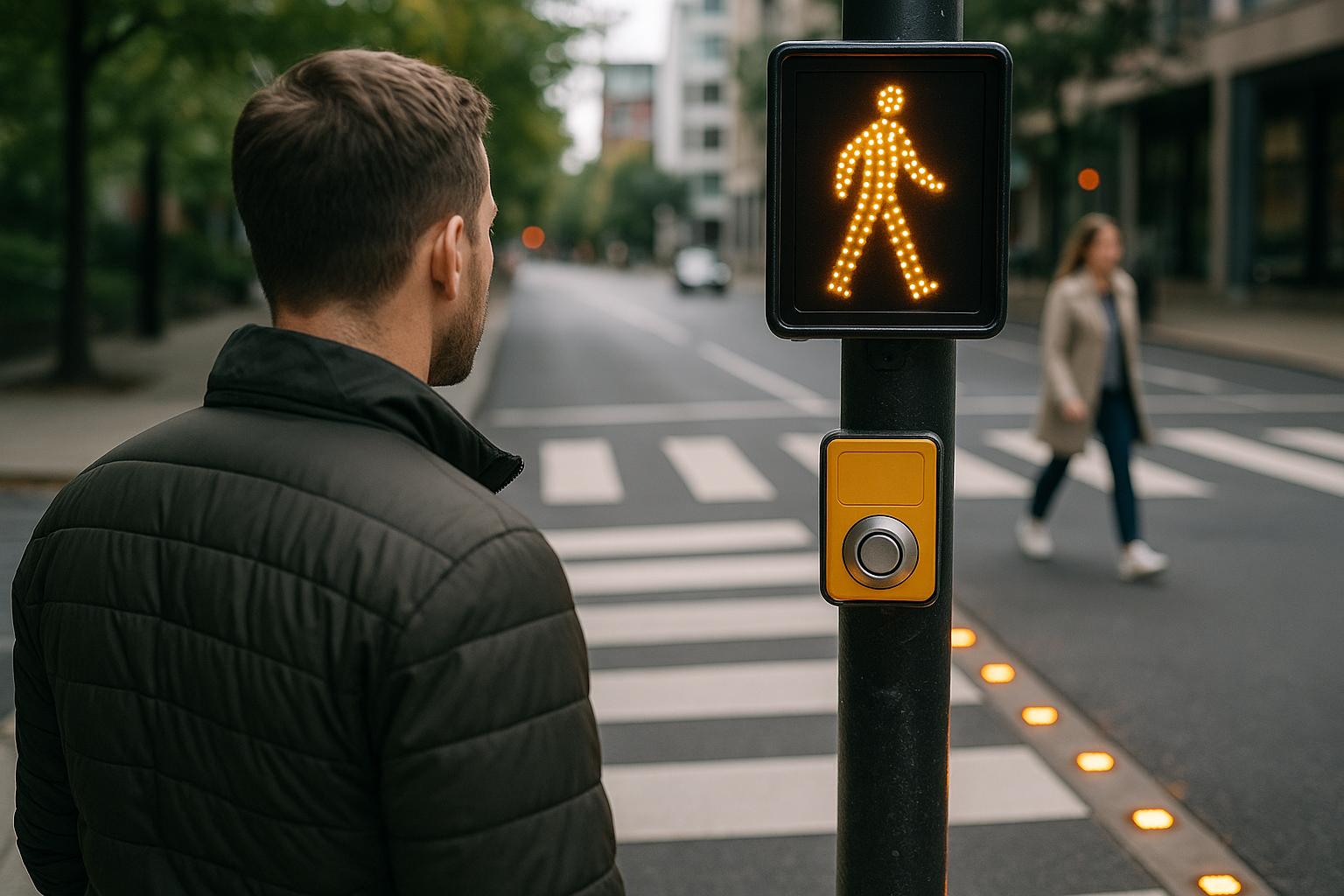
LED-embedded crosswalks have emerged as a game-changing solution in dozens of cities worldwide. These systems detect approaching pedestrians and activate bright, attention-grabbing lights that illuminate the crossing zone, making people dramatically more visible to drivers. Some advanced versions adjust light intensity based on ambient conditions, ensuring optimal visibility whether it’s bright daylight, dusk, or nighttime.
The technology typically combines ground-level LED strips with overhead detection systems using thermal imaging or computer vision. When someone approaches the crosswalk, the system activates within milliseconds, creating a luminous pathway that’s impossible for drivers to miss. Studies from cities implementing these systems have reported accident reductions ranging from 30% to 50% at treated intersections.
Countdown Timers and Extended Crossing Times
Digital countdown timers have become standard in many urban areas, providing clear information about remaining crossing time. However, newer systems take this concept further by using artificial intelligence to detect pedestrian crossing speed and automatically extend green time when slower-moving individuals, such as elderly people or those with mobility challenges, need additional seconds to reach safety.
These adaptive timing systems use computer vision algorithms to analyze pedestrian movement patterns in real-time. When the system detects someone who may not complete the crossing within the standard time allocation, it can hold the pedestrian phase longer or activate warning systems to alert drivers to the situation.
Vehicle-to-Pedestrian Communication Technologies 📱
The rise of connected vehicle technology has opened entirely new possibilities for pedestrian safety. Vehicle-to-Everything (V2X) communication systems enable cars, traffic infrastructure, and even smartphones to exchange information in real-time, creating awareness of pedestrians that extends beyond direct line of sight.
Smartphone Apps That Alert Drivers to Pedestrian Locations
Several innovative applications now allow pedestrians’ smartphones to communicate their location to nearby vehicles equipped with compatible receiver systems. These apps work in the background, transmitting anonymous location data when users approach roadways. Compatible vehicles receive alerts about pedestrian presence even when visual confirmation is difficult due to weather, darkness, or obstructions.
While privacy considerations remain important, these systems typically use anonymous, encrypted signals that don’t identify specific individuals. The technology shows particular promise in reducing accidents at night and in poor weather conditions when visibility is severely compromised.
Vehicle Detection and Automatic Warning Systems
Modern vehicles increasingly incorporate pedestrian detection systems using cameras, radar, and LIDAR sensors. These systems can identify people in or near the vehicle’s path and automatically apply brakes or provide warnings to drivers. Advanced systems can detect pedestrians even in challenging conditions and distinguish between different types of vulnerable road users, including children, cyclists, and wheelchair users.
Some cutting-edge systems now extend beyond emergency braking to include predictive analysis, assessing pedestrian behavior patterns to anticipate potential conflicts before they develop. Machine learning algorithms analyze body language, movement direction, and environmental context to determine risk levels and respond appropriately.
Innovative Urban Design Strategies for Pedestrian Protection
Technology alone cannot solve pedestrian safety challenges. Progressive cities are combining smart systems with thoughtful physical design changes that fundamentally alter the relationship between vehicles and pedestrians.
Raised Crosswalks and Speed Tables
Physical infrastructure modifications like raised crosswalks create natural traffic calming effects while improving pedestrian visibility. These elevated crossing areas force vehicles to slow down while bringing pedestrians to a more visible height relative to drivers. The design essentially creates a speed bump that doubles as a crosswalk, sending clear signals to motorists that they’re entering a pedestrian-priority zone.
Speed tables extend this concept across larger areas, creating extended flat platforms that accommodate entire intersections or mid-block crossings. Cities implementing these features report significant reductions in both collision frequency and severity, as the physical design naturally encourages appropriate driving behavior.
Pedestrian Refuge Islands and Protected Crossing Zones
Refuge islands provide safe waiting areas in the middle of wide streets, allowing pedestrians to cross in stages rather than attempting to traverse multiple lanes simultaneously. These islands dramatically reduce the complexity and stress of crossing busy roadways, particularly benefiting children, elderly pedestrians, and those with mobility limitations.
Modern refuge island designs incorporate detection systems and lighting to enhance visibility, while landscaping elements add aesthetic value without compromising sightlines. The psychological benefit of breaking long crossings into manageable segments cannot be overstated, as many pedestrians who would avoid crossing wide streets entirely become willing to make the journey when refuge islands are present.
🎯 Artificial Intelligence and Predictive Safety Analytics
Machine learning and artificial intelligence are transforming how cities identify risk factors and prevent accidents before they occur. Rather than simply responding to crashes after they happen, AI-powered systems can analyze patterns, identify high-risk locations, and predict where interventions will have the greatest impact.
Computer Vision for Real-Time Conflict Detection
Video analytics systems now monitor intersections continuously, using computer vision algorithms to identify near-miss events and dangerous behaviors. These systems can detect when pedestrians enter roadways against signals, when vehicles fail to yield, or when unusual traffic patterns emerge that indicate elevated risk.
The data collected feeds into comprehensive databases that help transportation planners understand exactly where and when problems occur. This granular information enables targeted interventions far more effective than traditional approaches based on crash data alone, which only captures the tiny fraction of dangerous situations that actually result in collisions.
Predictive Modeling for Safety Improvements
Advanced analytics platforms can now predict which locations are most likely to experience pedestrian crashes based on traffic patterns, road geometry, lighting conditions, and historical data. These predictive models help cities prioritize safety investments, directing limited resources to locations where interventions will save the most lives.
Some systems incorporate real-time factors like weather conditions, special events, and traffic volume fluctuations to provide dynamic risk assessments. During high-risk periods, cities can deploy additional signage, adjust signal timing, or even station crossing guards at particularly vulnerable locations.
Autonomous Vehicle Technology and Pedestrian Safety Implications
The gradual introduction of autonomous vehicles presents both opportunities and challenges for pedestrian safety. Self-driving cars theoretically eliminate human error, the factor responsible for the vast majority of traffic accidents. However, the interaction between autonomous vehicles and human pedestrians remains complex and not fully resolved.
Sensor Systems That Never Get Distracted
Unlike human drivers who can be distracted, fatigued, or impaired, autonomous vehicles maintain constant vigilance using multiple redundant sensor systems. These vehicles can simultaneously monitor all directions, process information faster than humans, and execute emergency responses with precision timing impossible for human drivers.
The sensor arrays on autonomous vehicles typically include cameras providing 360-degree vision, radar systems that function in poor visibility, and LIDAR creating detailed three-dimensional maps of the surrounding environment. This comprehensive awareness means autonomous vehicles can detect pedestrians in situations where human drivers might miss them entirely.
Communication Between Autonomous Vehicles and Pedestrians
One challenge autonomous vehicles face is the lack of human eye contact and body language that pedestrians traditionally use to assess driver awareness and intentions. Developers are addressing this through external communication systems, including lights, sounds, and display screens that clearly indicate the vehicle’s awareness of pedestrians and its intended actions.
Some prototype systems use projections on the roadway or colored light bands that communicate vehicle status. Others employ simple display messages like “Safe to Cross” or directional indicators showing which way the vehicle intends to proceed. Research continues into finding the most intuitive communication methods that work across diverse populations and cultural contexts.
Infrastructure Investment and Policy Framework Challenges 💡
Despite impressive technological advances, widespread implementation faces significant obstacles. The financial investment required for comprehensive safety upgrades is substantial, and many municipalities struggle with competing budget priorities. Additionally, regulatory frameworks often lag behind technological capabilities, creating legal uncertainties around new safety systems.
Funding Models for Safety Technology Deployment
Progressive cities are exploring creative funding mechanisms including public-private partnerships, where technology companies provide equipment and expertise in exchange for data access or advertising opportunities. Some jurisdictions have established dedicated safety funds supported by traffic violation fines or vehicle registration fees specifically earmarked for pedestrian protection improvements.
Grant programs at national and regional levels increasingly prioritize pedestrian safety technology, recognizing that upfront investment generates long-term savings through reduced healthcare costs, emergency response expenses, and productivity losses associated with traffic crashes.
Standardization and Interoperability Requirements
For pedestrian safety technologies to reach their full potential, systems must work seamlessly across jurisdictions and vehicle manufacturers. Industry groups are developing standards for V2X communication protocols, sensor specifications, and data formats that enable different components to interact effectively.
Without standardization, the risk exists that incompatible proprietary systems will create a fragmented landscape where safety benefits remain limited. Collaborative frameworks bringing together government agencies, technology developers, and automotive manufacturers are essential for creating truly integrated safety ecosystems.
Community Engagement and Behavioral Change Initiatives
Technology and design improvements work best when combined with education and community involvement. Many successful pedestrian safety programs include robust public awareness components that help people understand new systems and encourage safer behaviors from both pedestrians and drivers.
Campaigns using social media, community events, and school programs have proven effective at changing attitudes and behaviors. When residents understand the reasoning behind safety improvements and feel invested in their success, compliance increases and benefits multiply. Some cities have created pedestrian safety ambassadors who provide friendly education at high-traffic intersections, demonstrating proper crossing techniques and explaining new technology features.
Measuring Success and Continuous Improvement 📊
Effective safety programs require ongoing monitoring and adaptation. Cities leading in pedestrian protection establish clear metrics, collect comprehensive data, and regularly evaluate program effectiveness. Key performance indicators typically include crash rates, near-miss incidents, pedestrian volumes, compliance with traffic signals, and community satisfaction surveys.
The most sophisticated programs use control groups and statistical analysis to isolate the specific impact of individual interventions, providing evidence-based guidance for future investments. This data-driven approach ensures resources flow toward strategies with proven effectiveness rather than following assumptions or outdated practices.
The Future Walking Toward Us
Pedestrian safety technology and design continue evolving at remarkable speed. Emerging innovations include augmented reality systems that overlay safety information onto drivers’ and pedestrians’ fields of vision, drone-based monitoring for rapid incident detection, and comprehensive smart city platforms that integrate pedestrian safety with broader urban management systems.
The integration of 5G networks promises enhanced communication speed and reliability for connected safety systems, while advances in artificial intelligence will enable even more sophisticated prediction and prevention capabilities. Materials science breakthroughs may produce smart road surfaces that generate their own lighting or provide tactile feedback to guide visually impaired pedestrians.
Perhaps most importantly, growing recognition that pedestrian-friendly cities are healthier, more sustainable, and more economically vibrant is driving political will for ambitious safety improvements. Cities worldwide increasingly view pedestrian protection not as an optional luxury but as fundamental infrastructure essential for community wellbeing and urban vitality.
The combination of technological innovation, thoughtful design, adequate funding, and community engagement creates a powerful framework for dramatically reducing pedestrian injuries and fatalities. While challenges remain, the tools now exist to make walking significantly safer in urban environments. The question is no longer whether safer streets are possible, but how quickly we can implement proven solutions to protect vulnerable road users and create cities where everyone can move confidently and safely.