The daily grind of bumper-to-bumper traffic is costing us time, money, and sanity. But what if technology could transform congestion into a thing of the past? 🚗

Urban congestion has reached critical levels in cities worldwide, with commuters spending an average of 54 hours per year stuck in traffic. The economic impact is staggering, with congestion costing major metropolitan areas billions in lost productivity and wasted fuel. Traditional traffic management solutions like adding more lanes or building new roads are not only expensive but often ineffective, creating what experts call “induced demand” where more capacity simply attracts more vehicles.
Enter the revolutionary world of dynamic road pricing and smart tolls—a paradigm shift in how we manage transportation infrastructure. This intelligent approach uses real-time data, artificial intelligence, and variable pricing mechanisms to optimize traffic flow, reduce congestion, and create more sustainable urban environments. Rather than treating all road usage equally, these systems recognize that different times, routes, and conditions warrant different pricing strategies to encourage smarter travel decisions.
🌐 Understanding Dynamic Road Pricing: Beyond Traditional Tolls
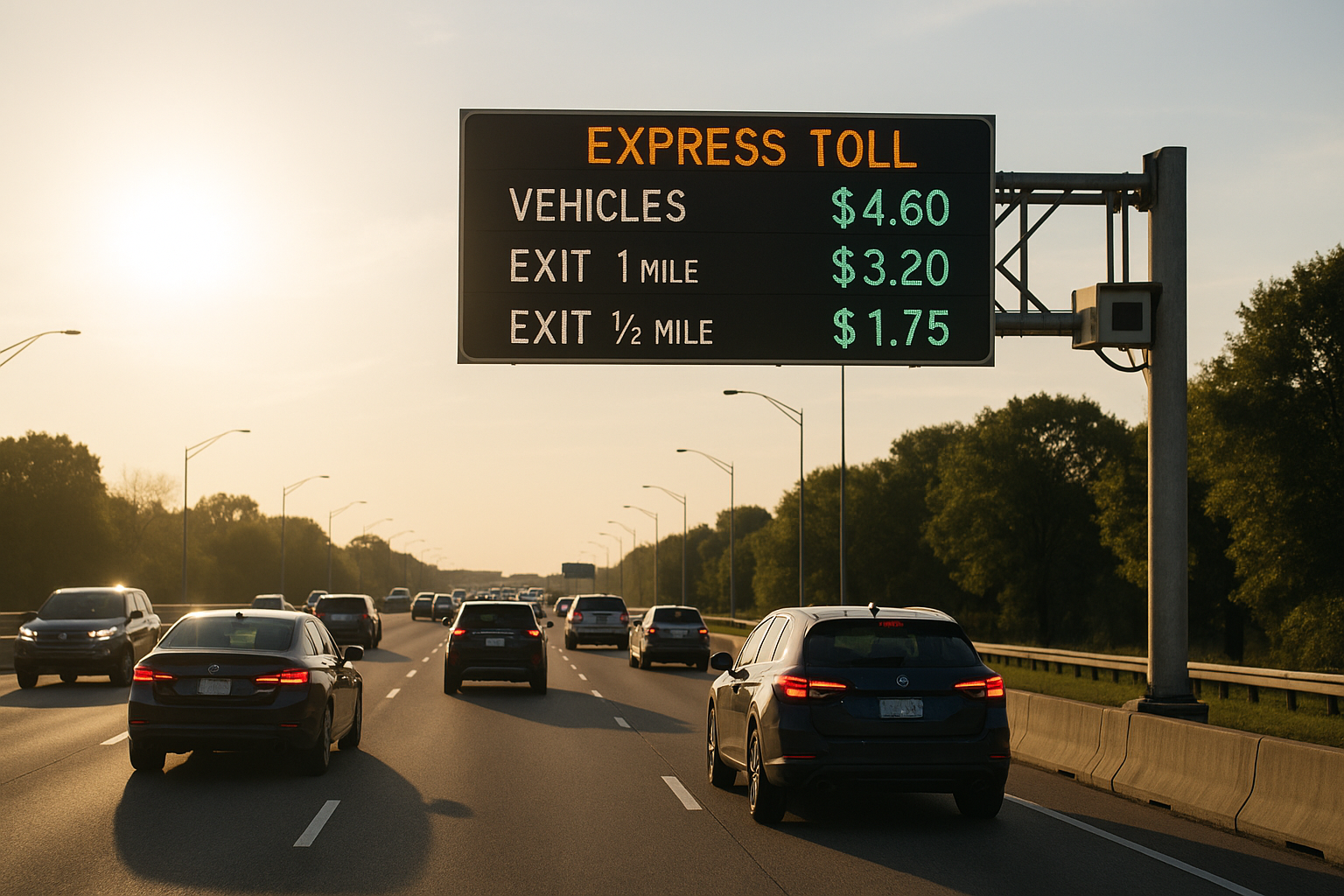
Dynamic road pricing represents a fundamental departure from conventional toll systems. Instead of charging a flat fee regardless of traffic conditions, this innovative approach adjusts pricing based on real-time demand, congestion levels, time of day, and even environmental factors. Think of it as surge pricing for roads—but with a purpose far beyond profit maximization.
The concept operates on basic economic principles of supply and demand. During peak hours when roads are most congested, prices increase to encourage some drivers to delay their trips, choose alternative routes, or opt for public transportation. Conversely, during off-peak hours, prices drop to maximize road utilization. This dynamic pricing mechanism creates a self-regulating system that naturally distributes traffic more evenly throughout the day.
Several pioneering cities have already implemented these systems with remarkable results. Singapore’s Electronic Road Pricing system has been operational since 1998, successfully reducing peak-hour congestion by up to 45%. London’s Congestion Charge has decreased traffic in the central zone by 30%, while Stockholm’s system achieved an 18% reduction in traffic volumes within the charging zone.
The Technology Behind Smart Toll Systems
Modern dynamic pricing systems rely on sophisticated technology infrastructure that would have seemed like science fiction just a decade ago. Advanced sensors embedded in roadways collect real-time data on vehicle counts, speeds, and density. These sensors work in conjunction with GPS technology, smartphone data, and connected vehicle systems to create a comprehensive picture of traffic conditions.
Artificial intelligence algorithms process this massive data stream continuously, making split-second calculations to determine optimal pricing levels. Machine learning models predict traffic patterns based on historical data, weather conditions, special events, and countless other variables. This predictive capability allows the system to adjust pricing proactively rather than reactively, preventing congestion before it develops.
Electronic toll collection technology eliminates the need for toll booths, which themselves create bottlenecks and delays. License plate recognition cameras, RFID transponders, and smartphone-based payment systems allow vehicles to pass through toll points at highway speeds without stopping. The entire transaction occurs seamlessly in the background, with drivers receiving itemized statements of their road usage.
💡 Revolutionary Benefits for Modern Commuters
The advantages of dynamic road pricing extend far beyond simply reducing congestion. These systems create a cascade of positive effects that transform the entire commuting experience and urban environment. For individual drivers, the benefits become apparent almost immediately.
Travel time reliability improves dramatically under dynamic pricing systems. Instead of unpredictable delays that can vary wildly from day to day, commuters gain consistency and predictability. Knowing that a road will flow smoothly—even if it costs more—allows people to plan their schedules with confidence. This reliability has measurable value; studies show commuters are willing to pay premium prices for guaranteed travel times.
Environmental benefits represent another compelling advantage. Congested traffic produces dramatically more emissions per mile traveled than free-flowing traffic. By optimizing traffic flow, dynamic pricing systems reduce fuel consumption and emissions. Some systems incorporate environmental pricing that increases charges during high-pollution days, providing an additional incentive for cleaner transportation choices.
Economic and Social Equity Considerations
Critics of dynamic road pricing often raise concerns about equity, arguing that such systems might unfairly burden lower-income commuters. However, well-designed systems address these concerns through various mechanisms. Revenue generated from dynamic pricing typically funds public transportation improvements, creating better alternatives for all income levels.
Many implementations include exemptions or discounts for essential workers, low-income residents, and disabled drivers. Time-of-day flexibility also creates natural equity, as lower-income workers with more flexible schedules can avoid peak pricing by adjusting their travel times. Additionally, the overall reduction in congestion benefits everyone, including those who don’t pay tolls but use parallel routes or public transit.
The economic efficiency gains from reduced congestion far exceed the toll revenues collected. Businesses benefit from more reliable delivery times and reduced employee lateness. Emergency services respond faster. The entire economic ecosystem operates more smoothly when transportation infrastructure functions optimally.
🚀 Smart Technologies Shaping Tomorrow’s Roads
The evolution of smart toll systems continues accelerating as new technologies emerge. Connected and autonomous vehicles will integrate seamlessly with dynamic pricing infrastructure, receiving real-time route recommendations that balance cost, time, and convenience. These vehicles will automatically select optimal routes based on user-defined preferences, whether prioritizing speed, economy, or environmental impact.
Blockchain technology promises to revolutionize payment processing and data security in toll systems. Decentralized ledgers can process transactions instantaneously while maintaining privacy and preventing fraud. Smart contracts could enable peer-to-peer road usage agreements and create new models for infrastructure financing.
Mobile applications are transforming how commuters interact with dynamic pricing systems. These apps provide real-time pricing information, alternative route suggestions, and integrated multimodal journey planning. Users can compare the cost and time of driving versus public transit, ride-sharing, or cycling, making informed decisions based on their priorities for each specific trip.
Integration with Broader Mobility Ecosystems
The true power of dynamic road pricing emerges when integrated into comprehensive mobility-as-a-service platforms. These platforms combine public transit, ride-sharing, bike-sharing, car-sharing, and private vehicle usage into unified systems. Dynamic pricing serves as a common language that helps users compare options and make optimal choices.
Imagine a morning commute where your smartphone automatically evaluates dozens of transportation options based on current prices, traffic conditions, weather, and your schedule. It might recommend taking the express bus today because dynamic toll prices are high, but driving tomorrow when pricing drops. This level of integration transforms transportation from a fragmented collection of services into a seamless, intelligent system.
Data sharing between different transportation systems amplifies benefits exponentially. When transit agencies, toll authorities, and mobility service providers coordinate, they can optimize the entire transportation network rather than just individual components. This holistic approach maximizes efficiency and sustainability while minimizing overall costs.
🌍 Global Success Stories and Implementation Models
Cities worldwide are pioneering diverse approaches to dynamic road pricing, each adapted to local conditions and priorities. Singapore’s system covers an extensive network of roads with gantries that adjust prices every few minutes based on real-time traffic conditions. The system has evolved from manual gantries to fully electronic collection, with plans for distance-based charging using GPS technology.
Stockholm implemented its congestion pricing system through a unique democratic process, holding a referendum after a trial period. The trial’s success in reducing traffic convinced skeptical residents to make the system permanent. This participatory approach provides valuable lessons for other cities considering similar systems.
In the United States, several metropolitan areas are experimenting with dynamic pricing on high-occupancy toll lanes. These “HOT lanes” allow single-occupancy vehicles to pay for access to carpool lanes, with prices varying based on congestion levels. The I-405 Express Lanes in Los Angeles and the I-66 Inside the Beltway in Washington, D.C., demonstrate how dynamic pricing can be introduced incrementally without charging all road users.
Lessons from Early Adopters
Early implementations have revealed critical success factors for dynamic pricing systems. Public communication and education prove essential; cities that invested heavily in explaining the rationale and benefits achieved higher acceptance rates. Transparency in how revenues are used builds public trust and support.
Technical reliability cannot be compromised. System failures or billing errors quickly erode public confidence and generate political backlash. Robust testing, redundant systems, and responsive customer service are non-negotiable requirements for successful implementation.
Gradual implementation often works better than dramatic overnight changes. Starting with limited geographic areas or specific facilities allows systems to be refined before broader deployment. This phased approach also gives residents time to adjust their habits and discover alternative transportation options.
🔮 The Road Ahead: Future Innovations and Possibilities
The future of dynamic road pricing extends far beyond current implementations. Researchers are exploring “mobility credits” systems where residents receive allowances for transportation spending, similar to carbon credit schemes. These systems could provide universal basic mobility while still using price signals to manage demand.
Artificial intelligence will become increasingly sophisticated at predicting and managing traffic patterns. Future systems might optimize not just for congestion reduction but for multiple objectives simultaneously—minimizing emissions, maximizing economic productivity, ensuring equitable access, and enhancing quality of life. Multi-objective optimization algorithms will balance these sometimes-competing goals based on community-defined priorities.
Vehicle-to-infrastructure communication will enable unprecedented precision in traffic management. Connected vehicles will receive personalized pricing and routing information tailored to their specific circumstances. The system might charge different rates based on vehicle emissions, occupancy, or even the urgency of the trip, creating highly nuanced incentive structures.
Preparing for the Autonomous Vehicle Revolution
Autonomous vehicles will fundamentally alter the transportation landscape and the role of dynamic pricing within it. Self-driving cars could dramatically increase road capacity by traveling closer together at consistent speeds, potentially reducing congestion without pricing interventions. However, they might also induce additional demand by making driving more attractive and enabling zero-occupancy trips.
Dynamic pricing systems will need to adapt to this new reality, potentially charging higher rates for empty autonomous vehicles or incentivizing shared autonomous rides. The ability to direct autonomous fleets through precise pricing signals could enable unprecedented optimization of the entire transportation network.
The transition period, with mixed autonomous and human-driven vehicles, will present unique challenges. Pricing systems must accommodate both types while maintaining fairness and effectiveness. This complexity demands flexible, adaptive infrastructure that can evolve alongside vehicle technology.
💻 Making It Work: Implementation Strategies for Cities
Cities considering dynamic road pricing face complex technical, political, and social challenges. Successful implementation requires comprehensive planning that addresses all stakeholders’ concerns. Starting with extensive traffic modeling and simulation helps identify optimal pricing structures and predict impacts before launch.
Stakeholder engagement must begin early and continue throughout implementation. Public workshops, surveys, and pilot programs build understanding and buy-in. Engaging business communities, environmental groups, transit advocates, and resident associations creates coalitions supporting the system while incorporating diverse perspectives into its design.
The technical infrastructure demands significant upfront investment but generates long-term returns through reduced congestion costs and toll revenues. Public-private partnerships can help finance initial deployment while bringing private-sector expertise to system design and operation. However, maintaining public oversight ensures the system serves community interests rather than profit maximization.
Overcoming Political and Public Resistance
Political will remains the most significant barrier to implementing dynamic road pricing. Elected officials fear voter backlash from imposing new charges, even when the system would benefit most residents. Building political support requires demonstrating clear benefits, addressing equity concerns, and showing how revenues will improve transportation options.
Framing matters enormously. Presenting dynamic pricing as “congestion relief” or “smart traffic management” rather than “new taxes” changes public perception. Emphasizing choice—drivers can pay for faster travel or choose free alternatives—resonates better than mandatory charges with no options.
Pilot programs and trials allow communities to experience benefits before making permanent commitments. Time-limited demonstrations reduce political risk while generating concrete data on impacts. Many initially skeptical residents become supporters after experiencing improved traffic conditions firsthand.
🎯 Maximizing Your Commute Under Dynamic Pricing
As dynamic pricing systems become more prevalent, savvy commuters can leverage them for maximum benefit. Flexibility in timing your commute offers the greatest opportunity for savings. Shifting departure times by even 30 minutes can often avoid peak pricing while reducing travel time.
Exploring alternative routes becomes more valuable under dynamic pricing. Roads that previously seemed inconvenient might offer better value during certain times. Route-planning apps that incorporate real-time toll pricing help identify these opportunities automatically.
Combining transportation modes optimizes both cost and convenience. Park-and-ride facilities allow you to drive during off-peak hours to a transit station, then use public transportation for the congested portion of your journey. This hybrid approach often provides the best balance of flexibility, speed, and economy.
Carpooling and ride-sharing gain additional advantages under dynamic pricing systems. Many implementations offer reduced rates or exemptions for high-occupancy vehicles, multiplying the savings when you share costs with other passengers. Mobile apps make finding commute partners easier than ever.
🌟 Transforming Urban Life Through Smarter Transportation
The ultimate promise of dynamic road pricing and smart tolls extends beyond traffic management to fundamentally transform urban life. Cities that successfully implement these systems report improvements in air quality, public health, economic productivity, and quality of life. Streets become more pleasant for pedestrians and cyclists as traffic volumes decrease. Neighborhoods suffer less noise pollution and community severance.
The revenues generated create sustainable funding for transportation infrastructure improvements. Unlike fuel taxes that decline as vehicles become more efficient, road pricing remains viable indefinitely. This sustainable revenue stream enables long-term planning and investment in multimodal transportation systems.
Perhaps most significantly, dynamic pricing shifts cultural attitudes toward transportation. Instead of viewing driving as a free default option, people begin considering the true costs of their travel choices. This mindset change encourages more sustainable, efficient transportation decisions that benefit individuals and communities alike.
The revolution in traffic management through dynamic road pricing and smart tolls is not a distant future possibility—it is happening now. Cities implementing these systems demonstrate that technology can solve problems that seemed intractable just years ago. As more communities adopt these innovations and technologies continue advancing, the frustrating commutes we accept today will seem as outdated as unpaved roads or horse-drawn carriages. The future of urban transportation is intelligent, efficient, sustainable, and equitable. It is a future worth driving toward.