Urban transport is undergoing a dramatic transformation as cities worldwide embrace innovative technologies and sustainable solutions to address congestion, pollution, and accessibility challenges in modern metropolitan areas.

🚀 The Dawn of a New Mobility Era
The way we move through cities is changing faster than ever before. Traditional transportation systems that served us for decades are now being reimagined through the lens of technology, sustainability, and user-centric design. From autonomous vehicles navigating busy streets to electric scooters dotting sidewalks, the urban mobility landscape is experiencing a revolution that promises to reshape how millions of people commute daily.
This transformation isn’t happening in isolation. It’s driven by converging forces including climate change urgency, rapid urbanization, technological breakthroughs, and evolving consumer expectations. Cities that once prioritized private car ownership are now embracing multimodal transportation networks that emphasize flexibility, efficiency, and environmental responsibility.
🌍 Global Hotspots Leading the Mobility Revolution
Different regions around the world are approaching urban transport innovation from unique perspectives, each contributing valuable lessons to the global conversation about future mobility.
European Innovation Corridors
European cities have emerged as laboratories for sustainable transport experimentation. Copenhagen’s extensive cycling infrastructure has made bicycles the primary mode of transport for over 60% of residents. Amsterdam continues to refine its integrated approach combining bikes, trams, and electric vehicles into a seamless network. Meanwhile, Helsinki is working toward becoming the first city to make car ownership obsolete through its Mobility-as-a-Service (MaaS) platform that integrates all transportation options into a single digital interface.
Paris has taken bold steps with its “15-minute city” concept, reimagining urban planning so residents can access essential services within a quarter-hour walk or bike ride. This approach fundamentally challenges car-dependent urban design and has inspired cities worldwide to reconsider their spatial organization.
Asian Mega-Cities Setting the Pace
Asian metropolitan areas are leveraging their scale and technological prowess to implement ambitious mobility solutions. Singapore’s intelligent transport system uses real-time data analytics to manage traffic flow, while its autonomous vehicle trials are among the most advanced globally. The city-state’s comprehensive approach to urban planning ensures that transport innovation aligns with broader sustainability and livability goals.
Chinese cities like Shenzhen have completed remarkable transitions, converting entire public bus fleets to electric vehicles. The city now operates over 16,000 electric buses, eliminating significant carbon emissions while demonstrating that large-scale electrification is economically viable. Beijing and Shanghai are similarly investing heavily in metro expansion, bike-sharing programs, and smart traffic management systems.
North American Adaptation and Innovation
Cities across North America are grappling with car-centric infrastructure legacies while trying to implement more sustainable alternatives. Portland, Seattle, and Vancouver have made significant investments in light rail and dedicated cycling infrastructure. Meanwhile, technology hubs like San Francisco and Austin serve as testing grounds for ride-sharing innovations, autonomous vehicle pilots, and micromobility solutions.
🔋 Electrification: The Foundation of Sustainable Urban Mobility
Electric vehicles represent perhaps the most visible aspect of the mobility revolution. The transition from internal combustion engines to battery-powered alternatives is accelerating across all vehicle categories, from personal cars to public buses and commercial delivery vans.
The environmental benefits are substantial. Electric vehicles produce zero direct emissions, significantly improving urban air quality when powered by renewable energy sources. Cities like Oslo, where electric vehicles account for over 80% of new car sales, have seen measurable improvements in air pollution levels and associated health outcomes.
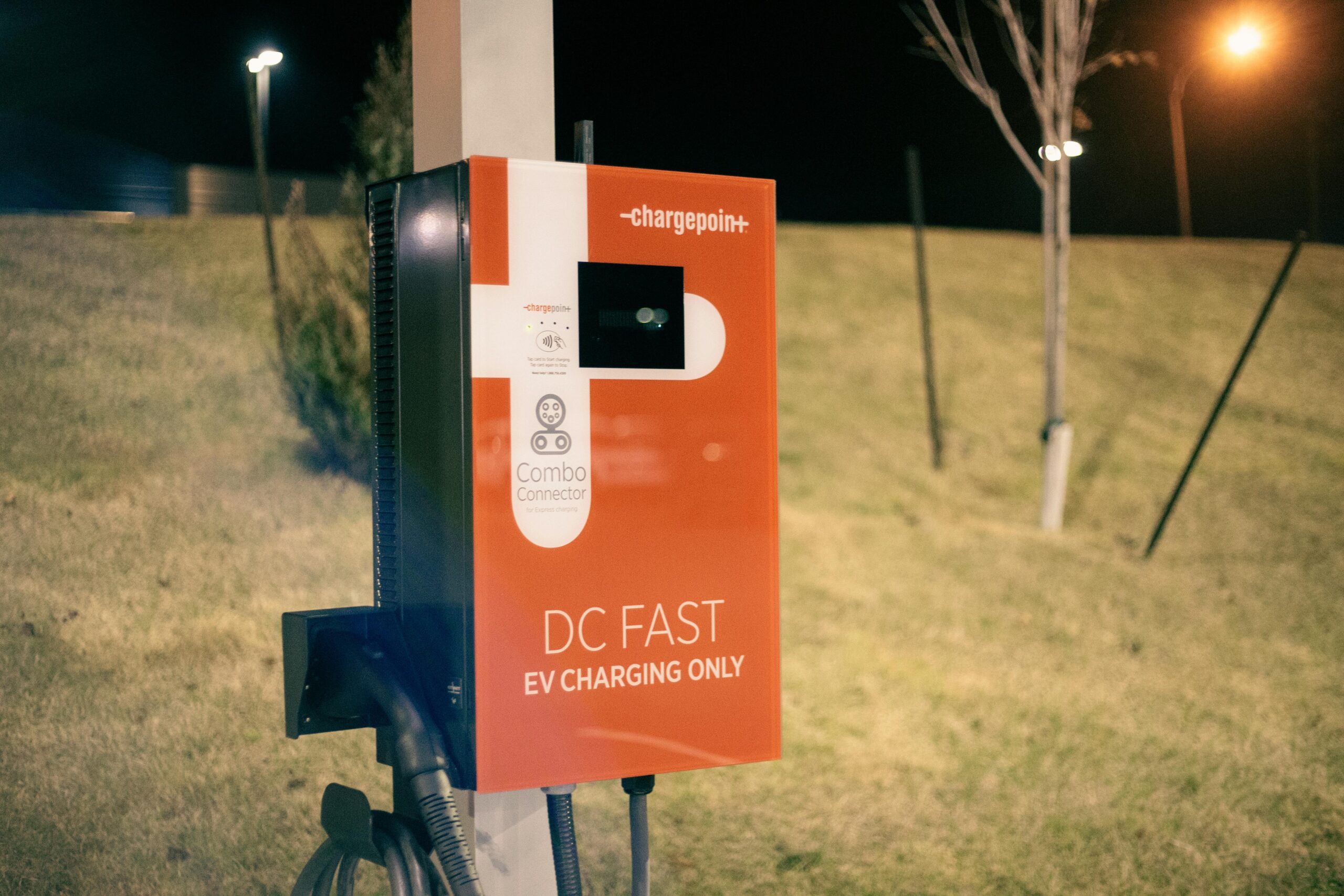
Charging infrastructure development has become a critical priority. Cities are installing charging stations in public parking areas, residential neighborhoods, and commercial districts. Innovations like wireless charging roads and ultra-fast charging technology promise to eliminate range anxiety and make electric vehicles as convenient as their fossil-fuel predecessors.
🚗 Autonomous Vehicles: Promise and Pragmatism
Self-driving vehicles have captured public imagination and attracted billions in investment, yet their widespread deployment remains further away than early predictions suggested. The technology has progressed significantly, with autonomous vehicles now operating in controlled environments and specific routes in several cities worldwide.
The potential benefits are compelling. Autonomous vehicles could dramatically reduce traffic accidents caused by human error, optimize traffic flow through vehicle-to-vehicle communication, and provide mobility solutions for elderly and disabled populations. They could also transform parking needs, as self-driving cars could drop passengers and relocate to remote parking facilities or continue serving other users.
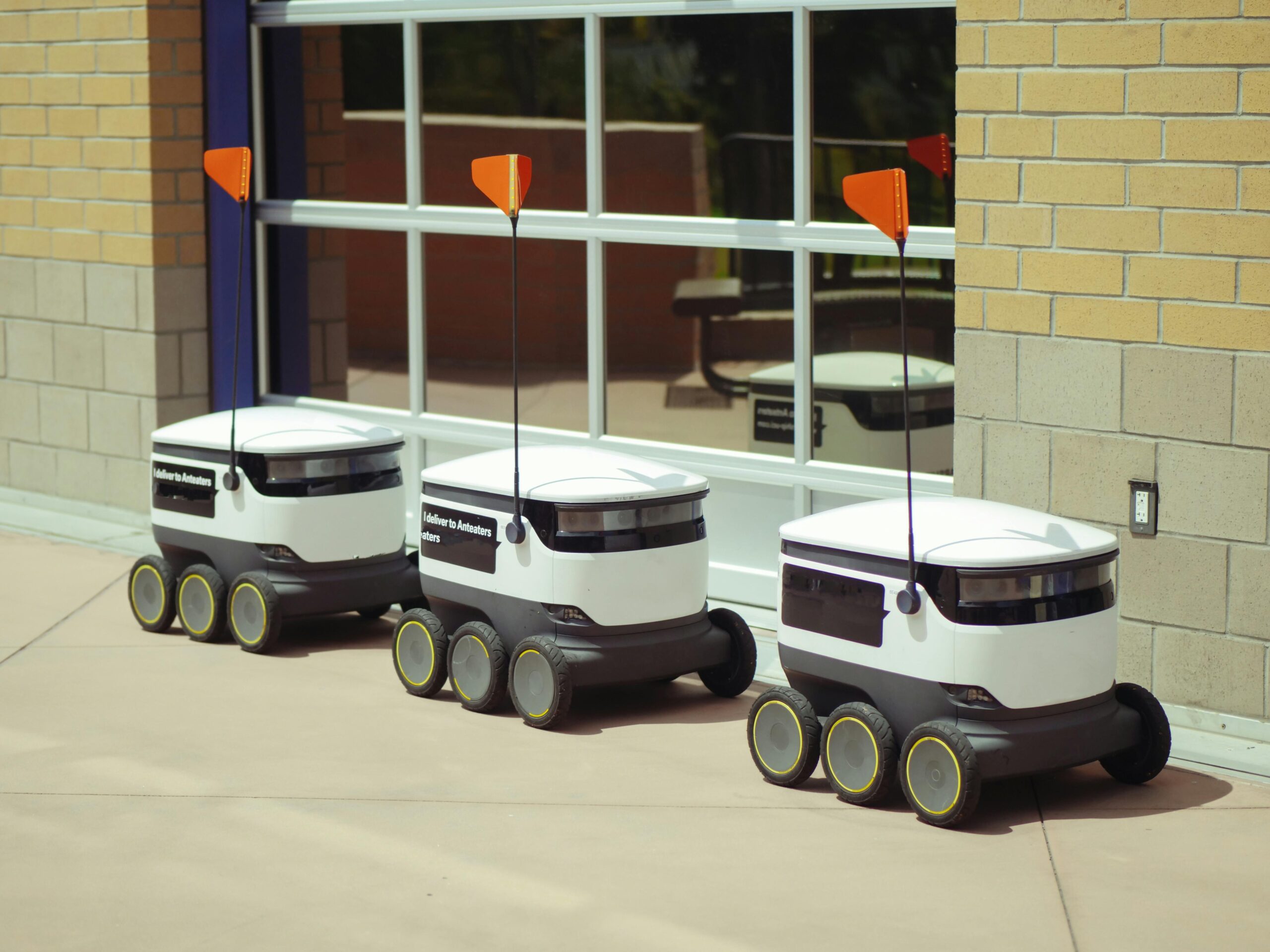
However, challenges remain substantial. Regulatory frameworks are still evolving, public acceptance varies considerably, and technical hurdles related to operating in complex urban environments with unpredictable human behavior persist. Cities are taking measured approaches, often starting with autonomous shuttles on fixed routes or autonomous delivery vehicles in controlled areas before expanding to more complex applications.
🛴 Micromobility: Small Vehicles, Big Impact
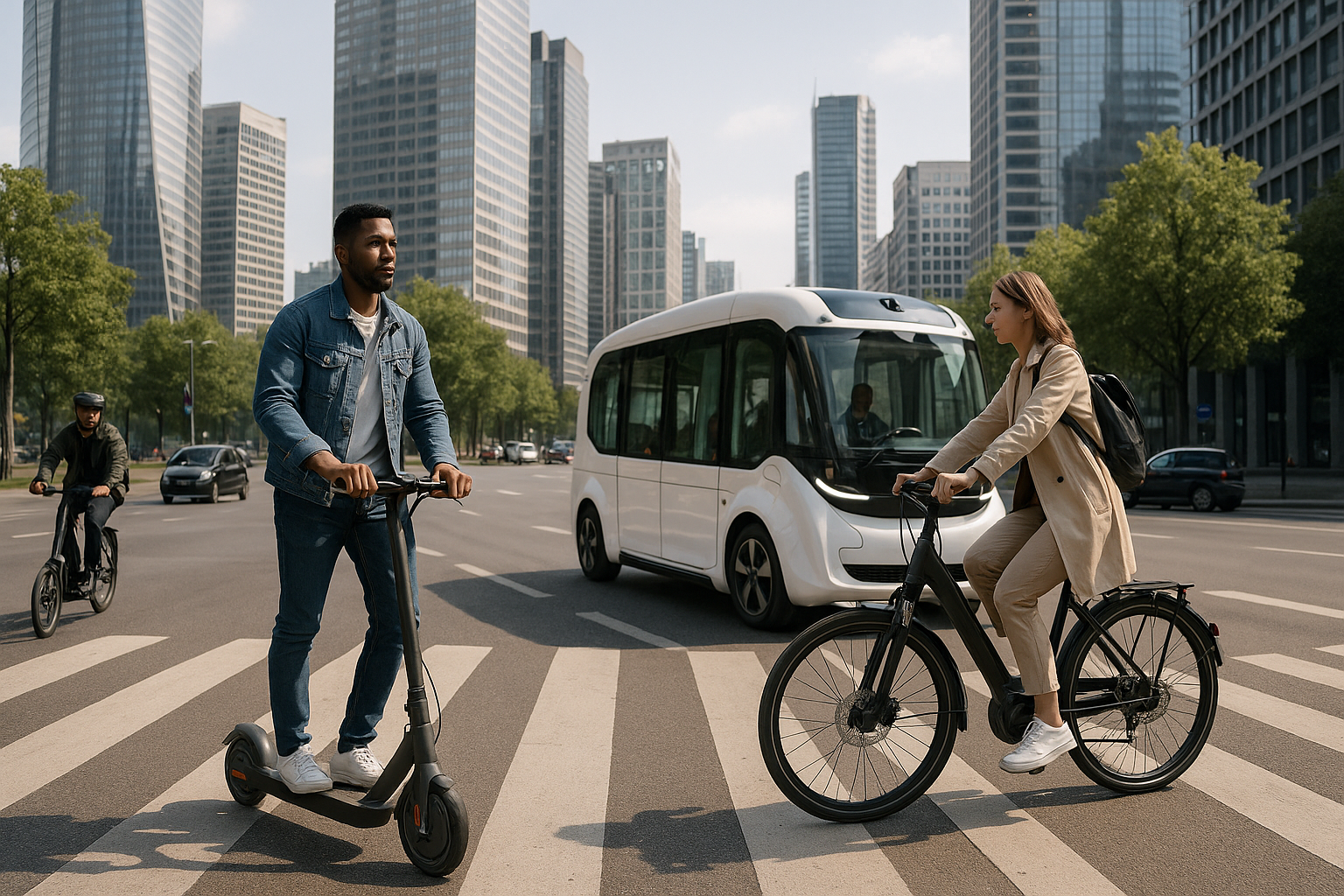
Electric scooters, bikes, and other lightweight personal transportation devices have proliferated in cities worldwide, offering convenient solutions for short trips that constitute a significant portion of urban journeys. These micromobility options fill crucial gaps in transportation networks, particularly for “first mile” and “last mile” connections to public transit stations.
The flexibility and accessibility of micromobility have made these services tremendously popular, especially among younger urban residents. Apps allow users to locate, unlock, and pay for rides seamlessly, demonstrating how digital platforms can reduce friction in transportation choices.
Cities have had to adapt quickly to manage micromobility’s rapid growth. Initial deployments often occurred with minimal regulation, leading to cluttered sidewalks and safety concerns. More mature approaches now include designated parking zones, fleet size limits, data-sharing requirements, and safety standards. The most successful programs balance innovation encouragement with responsible urban management.
🚊 Public Transit Renaissance
Far from becoming obsolete, public transportation is experiencing renewed investment and innovation as cities recognize its irreplaceable role in sustainable urban mobility. Modern transit systems are becoming faster, more comfortable, more reliable, and more integrated with other mobility options.
Bus rapid transit (BRT) systems have emerged as cost-effective alternatives to rail infrastructure, offering metro-like service at a fraction of the cost. Cities like Bogotá, Guangzhou, and Istanbul have implemented extensive BRT networks that move millions of passengers daily with dedicated lanes, pre-board payment, and high-frequency service.
Metro systems continue expanding in cities worldwide, with China alone adding thousands of kilometers of new urban rail in recent years. These investments reflect long-term commitment to mass transit as the backbone of efficient urban mobility, capable of moving far more people per unit of space and energy than individual vehicles.
Technology is enhancing the public transit experience through real-time tracking, digital payment integration, and predictive maintenance that improves reliability. Transit agencies are also embracing customer-centric approaches, recognizing that convenience, comfort, and reliability determine whether people choose public transport over private vehicles.
📱 Digital Integration: Mobility-as-a-Service
Perhaps the most transformative trend in urban transport is the integration of various mobility options into unified digital platforms. Mobility-as-a-Service (MaaS) applications allow users to plan, book, and pay for multimodal journeys through a single interface, potentially combining bike-sharing, public transit, ride-hailing, and car-sharing seamlessly.
This integration fundamentally changes the relationship between users and transportation. Rather than owning vehicles or maintaining separate accounts with multiple providers, users can access mobility on-demand, choosing the most appropriate option for each specific journey based on cost, time, convenience, and personal preference.
MaaS platforms generate valuable data that cities can use to optimize transportation networks, identify service gaps, and make evidence-based policy decisions. Privacy protections remain critical, but anonymized mobility data offers unprecedented insights into urban movement patterns and transportation needs.
🌱 Sustainability: The Non-Negotiable Imperative
Environmental concerns increasingly drive mobility innovation as cities confront climate change realities. Transportation typically accounts for a quarter or more of urban greenhouse gas emissions, making it a critical intervention point for climate action.
Sustainable mobility strategies encompass multiple approaches. Electrification reduces direct emissions, while modal shift toward walking, cycling, and public transit reduces overall energy consumption. Urban design that minimizes travel distances and mixed-use development that places homes, workplaces, and amenities in proximity fundamentally reduces transportation demand.
Green infrastructure like urban forests and green corridors makes walking and cycling more pleasant while providing ecosystem services. Complete streets designs that accommodate all users rather than prioritizing cars create more livable, sustainable urban environments.
Cities are setting ambitious targets. Oslo aims to reduce greenhouse gas emissions by 95% by 2030, with transportation transformation central to this goal. London’s Ultra Low Emission Zone charges polluting vehicles entering central areas, accelerating the transition to cleaner alternatives. These policies demonstrate political will to prioritize long-term sustainability over short-term convenience.
🏙️ Urban Planning: Designing Cities for People
Future mobility cannot be separated from broader urban planning questions. Transportation infrastructure shapes cities profoundly, influencing where people live, work, and spend leisure time. Progressive cities are reimagining urban space to prioritize human experience over vehicle throughput.
Pedestrianization of city centers returns streets to people, creating vibrant public spaces that encourage walking, cycling, and social interaction. Barcelona’s superblock model restricts vehicle access in nine-block areas, dramatically reducing traffic while improving air quality, noise levels, and community cohesion. The approach has been so successful that the city continues expanding the program despite initial resistance.
Transit-oriented development concentrates residential and commercial density around public transportation hubs, making car-free lifestyles practical and desirable. This approach reduces sprawl, preserves green space, and creates walkable neighborhoods with strong community character.
💡 Emerging Technologies on the Horizon
Several nascent technologies promise to further transform urban mobility in coming decades. Flying taxis and urban air mobility solutions are progressing from concept to early commercial trials, potentially offering rapid point-to-point travel above congested streets. Hyperloop and other high-speed ground transportation technologies could revolutionize intercity connections, effectively expanding metropolitan regions.
Connected infrastructure with embedded sensors and communication capabilities could optimize traffic flow in real-time, reduce congestion, and enhance safety. Vehicle-to-everything (V2X) communication would allow vehicles to coordinate with each other, traffic signals, and infrastructure for unprecedented efficiency.
Alternative energy sources including hydrogen fuel cells may complement battery electric vehicles for applications requiring longer range or faster refueling. Solar roads that generate electricity while serving as transportation infrastructure represent another innovative approach to sustainable mobility.
🤝 Collaboration: The Essential Ingredient
Transforming urban mobility requires unprecedented collaboration across sectors and stakeholders. City governments must work with private companies developing new mobility services, balancing innovation encouragement with public interest protection. Transportation agencies need to coordinate with urban planners, housing authorities, and economic development offices to ensure integrated approaches.
International knowledge sharing accelerates progress as cities learn from each other’s successes and failures. Networks like C40 Cities facilitate peer learning and collaborative problem-solving among the world’s largest metropolitan areas.
Citizen engagement ensures that mobility solutions serve real needs and reflect community values. Participatory planning processes that include diverse voices produce more equitable, effective outcomes than top-down approaches.
🎯 Navigating Challenges and Seizing Opportunities
The path to revolutionized urban transport faces significant obstacles. Existing infrastructure represents enormous sunk costs and creates path dependencies that resist change. Political cycles may not align with long-term transformation timelines. Equity concerns arise when new mobility options primarily serve affluent populations while underserved communities receive inadequate attention.
Financial sustainability of new mobility services remains uncertain, with many companies operating at losses while pursuing market share. Regulatory frameworks struggle to keep pace with technological change, creating uncertainty for innovators and policymakers alike.
Yet these challenges also represent opportunities. The massive investment required to transform transportation infrastructure can stimulate economic activity and create quality jobs. Addressing equity directly can produce more inclusive cities where all residents can access opportunities. Regulatory innovation can establish frameworks that encourage beneficial innovation while protecting public interests.
🌟 Building Tomorrow’s Urban Mobility Today
The revolution in urban transport is not a distant future scenario—it’s happening now in cities worldwide. Each innovation, from bike lanes to autonomous shuttles to integrated payment systems, contributes to a fundamental reimagining of how people move through urban spaces. The most successful cities will be those that embrace experimentation while maintaining focus on core objectives: sustainability, accessibility, efficiency, and livability.
The transformation will be neither uniform nor linear. Different cities will follow different paths based on their unique contexts, challenges, and opportunities. Some will lead in electrification, others in public transit innovation, still others in urban design reimagination. Together, these diverse approaches will create a rich portfolio of solutions from which all cities can draw.
What remains constant is the direction of travel. The future of urban mobility will be cleaner, smarter, more integrated, and more human-centered than the car-dependent systems that dominated the 20th century. For urban residents worldwide, this revolution promises not just better transportation, but better cities and better lives. The journey has begun, and the destination—while still taking shape—looks increasingly promising for people and planet alike.