The automotive industry stands at the threshold of a revolutionary transformation, powered by 5G technology that promises to redefine how vehicles communicate with each other and the world around them.

🚗 The Dawn of a New Era in Vehicle Connectivity
As we navigate through the third decade of the 21st century, the convergence of telecommunications and automotive engineering is creating unprecedented opportunities for safer, smarter, and more efficient transportation systems. 5G technology, with its lightning-fast speeds, ultra-low latency, and massive connectivity capabilities, is emerging as the backbone of next-generation vehicle communication networks.
The traditional view of cars as standalone mechanical entities is rapidly becoming obsolete. Modern vehicles are transforming into sophisticated mobile computing platforms, equipped with numerous sensors, cameras, and communication devices that generate and consume enormous amounts of data. This evolution demands a communication infrastructure capable of handling real-time data transmission with minimal delays – precisely what 5G technology offers.
Understanding Vehicle-to-Everything (V2X) Communication
At the heart of revolutionary vehicle communication lies the concept of Vehicle-to-Everything, commonly abbreviated as V2X. This comprehensive communication framework encompasses several critical components that work together to create an intelligent transportation ecosystem.
Vehicle-to-Vehicle (V2V) Connectivity
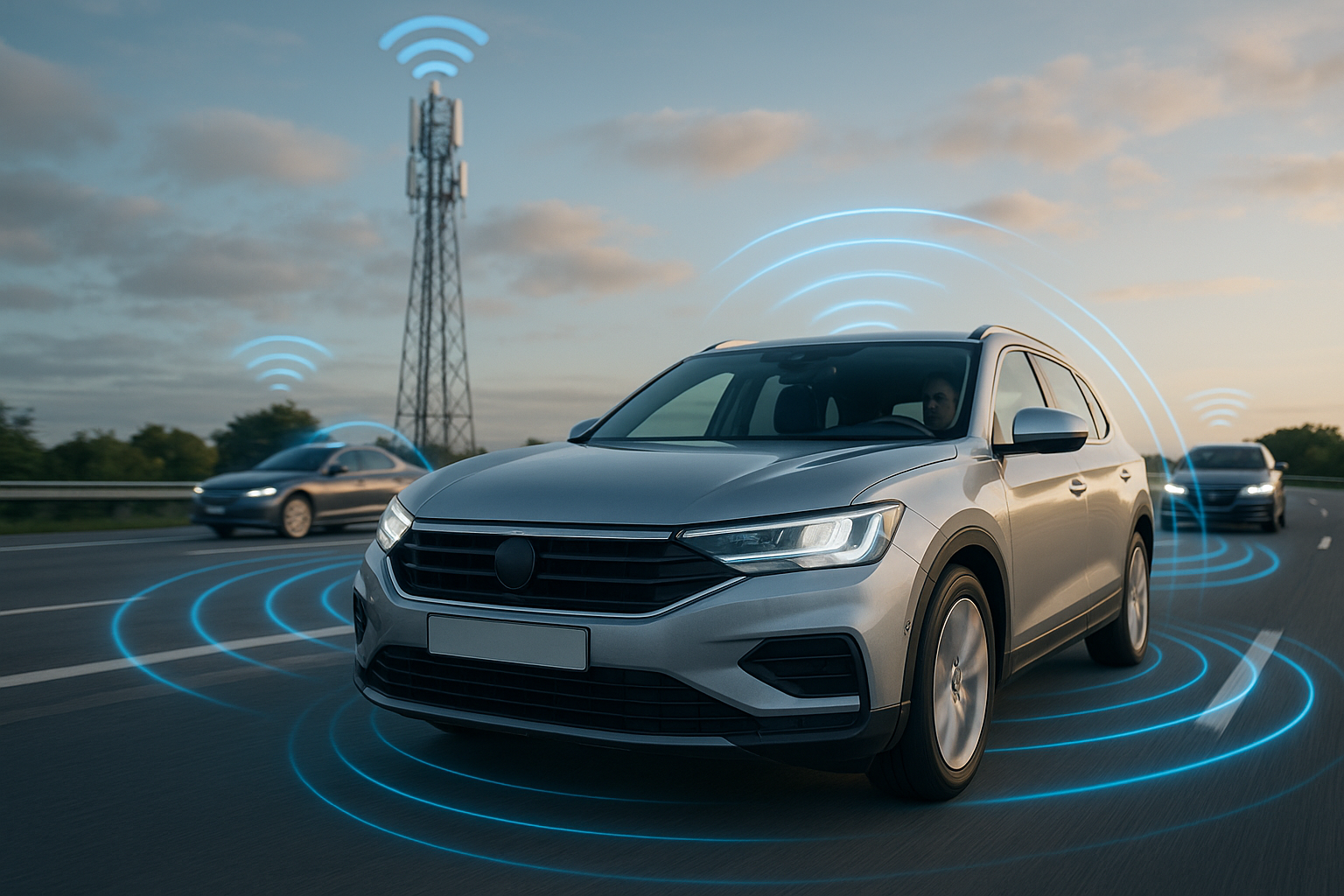
V2V communication enables cars to directly exchange information with other vehicles in their vicinity. Through 5G networks, vehicles can instantly share data about their speed, position, direction, braking patterns, and road conditions. This real-time information exchange creates a collective awareness that dramatically enhances road safety and traffic efficiency.
Imagine driving on a highway where your vehicle receives instant alerts about an accident occurring several kilometers ahead, even before you can see it. Or consider a scenario where cars automatically coordinate to merge smoothly at busy intersections, eliminating the frustrating stop-and-go traffic patterns that plague modern roadways. These aren’t futuristic fantasies – they’re practical applications that 5G-enabled V2V communication makes possible.
Vehicle-to-Infrastructure (V2I) Integration
V2I communication establishes connections between vehicles and road infrastructure, including traffic lights, road signs, parking facilities, and toll collection systems. With 5G technology powering these connections, cities can implement dynamic traffic management systems that respond in real-time to changing conditions.
Smart traffic lights can adjust their timing based on actual traffic flow rather than fixed schedules. Parking systems can guide drivers directly to available spaces, reducing the time spent circling crowded areas. Highway toll systems can process payments seamlessly without requiring vehicles to slow down or stop. All these improvements contribute to reduced congestion, lower emissions, and enhanced urban mobility.
📡 The 5G Advantage: Technical Superiority Explained
The superiority of 5G technology for vehicle communication isn’t merely incremental – it represents a quantum leap forward compared to previous generations of wireless networks. Understanding these technical advantages helps illuminate why 5G is essential rather than optional for the future of connected vehicles.
Ultra-Low Latency Performance
Latency refers to the time delay between sending and receiving information. In vehicle communication, every millisecond matters. A car traveling at highway speed covers significant distance in fractions of a second, meaning delayed information can become dangerous information.
5G networks achieve latency as low as one millisecond, compared to 30-50 milliseconds for 4G LTE networks. This dramatic reduction enables real-time responses that are crucial for safety-critical applications. When an emergency braking situation occurs, every vehicle in the affected area needs to receive and process that information instantaneously. Only 5G technology can deliver the responsiveness required for such critical scenarios.
Massive Bandwidth and Data Throughput
Modern connected vehicles generate staggering amounts of data. Autonomous vehicles equipped with multiple cameras, LiDAR sensors, and radar systems can produce up to 4 terabytes of data per day. Traditional networks simply cannot handle this volume effectively.
5G technology offers theoretical peak speeds up to 20 Gbps, with realistic speeds ranging from 1-10 Gbps in practical deployments. This enormous bandwidth enables vehicles to transmit high-definition sensor data, detailed maps, and complex telemetry information without compromising performance or creating network congestion.
Network Slicing Capabilities
One of 5G’s most innovative features is network slicing, which allows operators to create multiple virtual networks within a single physical infrastructure. Each slice can be optimized for specific requirements, ensuring that critical safety communications receive priority over less urgent data transmissions.
This capability means that emergency vehicle communications or collision avoidance warnings will always have guaranteed network resources, regardless of how many other devices are competing for bandwidth. Such prioritization is impossible with conventional network architectures but becomes standard practice with 5G implementation.
🛡️ Enhancing Road Safety Through Connected Intelligence
The primary motivation behind developing advanced vehicle communication systems isn’t convenience or entertainment – it’s safety. Traffic accidents claim over 1.3 million lives globally each year, with human error contributing to approximately 94% of crashes. Connected vehicle technology powered by 5G has the potential to dramatically reduce these tragic statistics.
Collision Avoidance Systems
5G-enabled vehicles can create comprehensive awareness of their surroundings by continuously exchanging information with nearby vehicles and infrastructure. Advanced collision avoidance systems use this data to predict potential accidents before they occur and take preventive action.
These systems can detect vehicles in blind spots, identify pedestrians stepping into crosswalks, and even anticipate dangerous behaviors from other drivers. When a potential collision is detected, the system can alert the driver or, in autonomous vehicles, take direct control to avoid the accident entirely.
Emergency Response Coordination
When accidents do occur, 5G connectivity enables immediate automated emergency responses. Vehicles can automatically transmit crash notifications with precise location data, impact severity assessments, and even information about the number of occupants to emergency services.
This instant communication can reduce emergency response times by several critical minutes, potentially saving lives in serious accidents. Furthermore, nearby vehicles automatically receive alerts about the accident location, allowing them to slow down or choose alternate routes, preventing secondary collisions.
Transforming Traffic Management and Urban Mobility
Beyond individual vehicle safety, 5G-powered vehicle communication creates opportunities for revolutionary improvements in how we manage traffic flow and urban transportation systems.
Intelligent Traffic Flow Optimization
Cities equipped with 5G infrastructure can implement sophisticated traffic management systems that analyze real-time data from thousands of connected vehicles simultaneously. These systems identify congestion patterns as they develop and dynamically adjust traffic signals, lane assignments, and speed limits to maintain optimal flow.
During special events or emergencies, traffic management centers can quickly implement coordinated responses across entire metropolitan areas, redirecting traffic efficiently and minimizing disruptions. The result is reduced commute times, lower fuel consumption, and decreased environmental impact from idling vehicles.
Seamless Multimodal Transportation Integration
The future of urban mobility extends beyond personal vehicles to encompass buses, trains, bicycles, scooters, and pedestrians. 5G technology enables seamless integration of these diverse transportation modes into unified mobility ecosystems.
Travelers can receive real-time information about optimal routes combining different transportation methods, with smooth handoffs between modes. Public transportation systems can adjust schedules and capacities based on actual demand patterns rather than static timetables. This integration makes car-free travel more convenient and attractive, potentially reducing urban congestion and pollution.
🚙 Accelerating Autonomous Vehicle Development
While autonomous vehicles can operate using onboard sensors and processing power alone, adding 5G connectivity dramatically enhances their capabilities and safety margins. Connected autonomous vehicles benefit from collective intelligence that extends far beyond what any individual vehicle can perceive independently.
Extended Perception Range
Sensors like cameras and LiDAR have inherent range limitations and can be affected by weather conditions or obstructions. Through 5G connectivity, autonomous vehicles gain access to information from other vehicles and infrastructure sensors located far beyond their immediate perception range.
This extended awareness allows autonomous systems to make better-informed decisions about route planning, speed adjustments, and maneuvering strategies. A connected autonomous vehicle approaching a blind intersection receives information about crossing traffic even when its own sensors cannot detect those vehicles directly.
Cooperative Driving Coordination
Multiple connected autonomous vehicles can coordinate their movements with precision impossible for human drivers. Vehicles can form tightly-spaced platoons on highways, reducing aerodynamic drag and improving fuel efficiency. They can negotiate complex intersections through cooperative decision-making rather than rigid traffic signal timing.
This coordination enables higher road capacity without requiring expensive infrastructure expansion. Studies suggest that widespread adoption of connected autonomous vehicles could increase highway capacity by 40% or more while simultaneously improving safety and reducing energy consumption.
Addressing Security and Privacy Challenges
With great connectivity comes great responsibility, particularly regarding cybersecurity and personal privacy. As vehicles become increasingly connected through 5G networks, they also become potential targets for cyberattacks and surveillance concerns.
Robust Cybersecurity Frameworks
Protecting vehicle communication systems from malicious attacks requires multi-layered security approaches. Encryption protocols ensure that transmitted data cannot be intercepted or modified by unauthorized parties. Authentication mechanisms verify that messages originate from legitimate sources rather than malicious actors attempting to inject false information.
The automotive industry is developing standardized security frameworks specifically designed for V2X communication. These frameworks include regular security updates, intrusion detection systems, and fail-safe mechanisms that allow vehicles to operate safely even when communication systems are compromised.
Privacy Protection Measures
Connected vehicles generate detailed information about travel patterns, locations, and behaviors that users rightfully expect to remain private. Privacy protection mechanisms include data anonymization techniques that allow vehicles to participate in cooperative systems without revealing personally identifiable information.
Temporary identifiers that change frequently prevent long-term tracking of individual vehicles. Data minimization principles ensure that only necessary information is collected and transmitted. Transparent data policies give users control over how their vehicle data is used and shared.
🌍 Environmental Benefits and Sustainability
The environmental advantages of 5G-enabled vehicle communication extend beyond the obvious benefits of reduced congestion and idling time. These systems contribute to sustainability goals in multiple ways that collectively make significant environmental impacts.
Optimized Energy Consumption
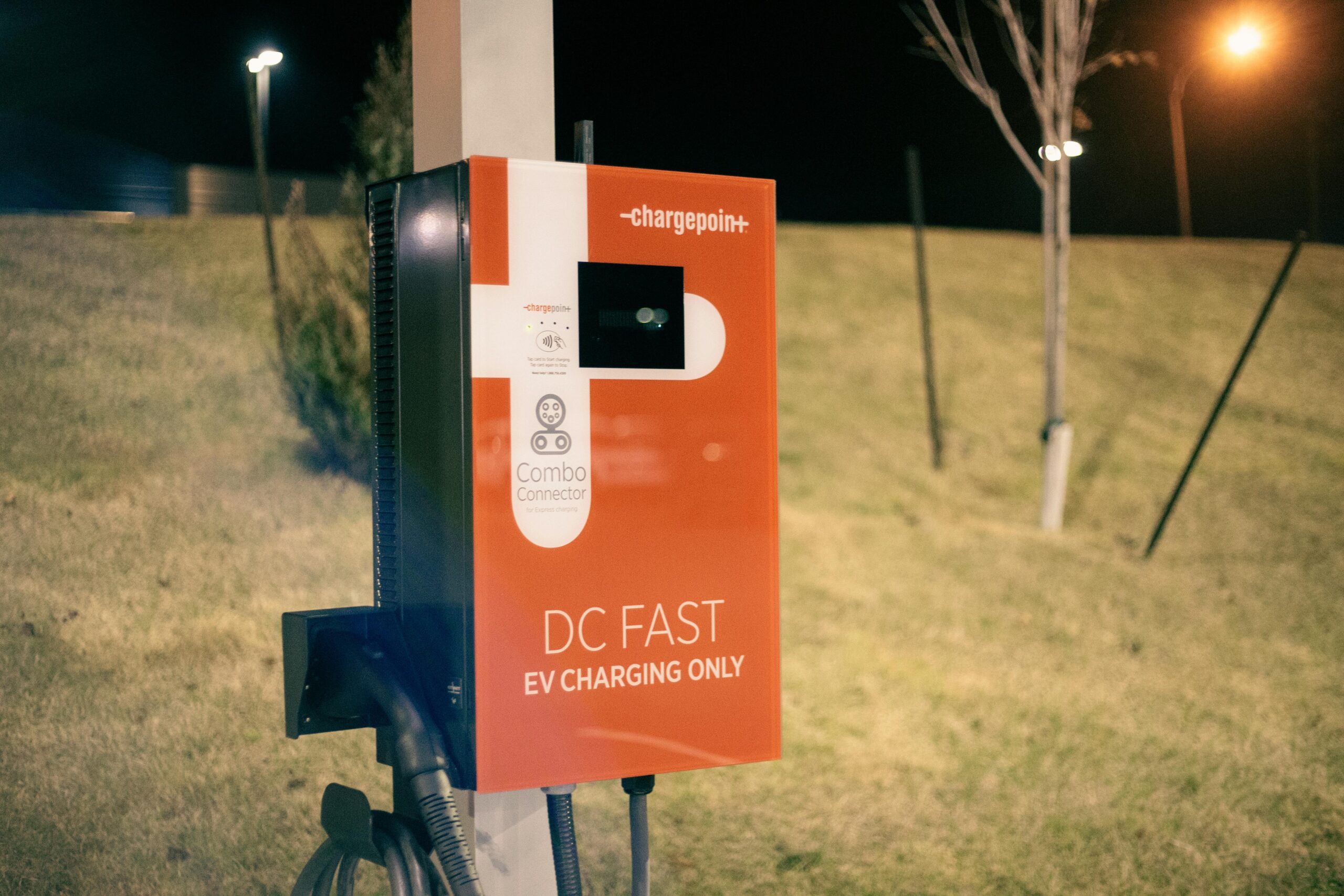
Connected vehicles can access real-time information about optimal routes that minimize fuel consumption based on current traffic conditions, road grades, and weather factors. Electric vehicles benefit particularly from connectivity that helps optimize battery usage and identifies convenient charging locations with available capacity.
Platooning and coordinated driving reduce aerodynamic drag and enable more efficient acceleration and braking patterns. Studies indicate that these optimizations can reduce fuel consumption by 15-20% compared to conventional driving patterns.
Emissions Reduction Strategies
Cities can implement dynamic low-emission zones that adjust boundaries based on real-time air quality measurements. Connected vehicles receive information about these zones and can plan routes accordingly or switch to electric-only modes when entering restricted areas.
Traffic management systems prioritize traffic flow patterns that minimize overall emissions rather than simply reducing travel time. This approach recognizes that stop-and-go traffic produces significantly more emissions than steady-state cruising, even at lower average speeds.
The Road Ahead: Implementation Challenges and Opportunities
Despite the enormous potential of 5G-powered vehicle communication, realizing this vision requires overcoming significant technical, economic, and regulatory challenges. Success demands coordinated efforts from telecommunications companies, automotive manufacturers, technology providers, and government agencies.
Infrastructure Development Requirements
Implementing comprehensive 5G coverage requires substantial investment in network infrastructure, particularly in rural and suburban areas where coverage gaps currently exist. Vehicle communication systems need consistent connectivity across entire transportation networks, not just urban centers.
Roadside infrastructure including smart traffic signals, sensors, and communication nodes must be upgraded or newly installed. These investments require coordinated planning between municipal authorities, telecommunications providers, and transportation agencies to ensure compatibility and interoperability.
Standardization and Interoperability
For connected vehicle systems to function effectively, all manufacturers must adopt common communication standards and protocols. Vehicles from different brands must seamlessly exchange information with each other and with diverse infrastructure systems.
International standards organizations are actively developing these frameworks, but achieving global consensus requires reconciling different technical approaches and regional regulatory requirements. The transition period during which some vehicles have advanced connectivity while others remain unconnected presents particular challenges for system design.
Economic and Business Model Considerations
The costs of implementing 5G connectivity in vehicles and infrastructure must be justified through clear value propositions for all stakeholders. Automotive manufacturers need business models that support ongoing connectivity services while providing compelling benefits to vehicle owners.
Insurance companies, fleet operators, and transportation service providers are exploring how connected vehicle data creates new business opportunities and improves operational efficiency. These economic incentives help drive adoption and investment in supporting infrastructure.
🔮 Envisioning the Connected Mobility Future
Looking forward, the convergence of 5G technology with artificial intelligence, edge computing, and advanced sensors is creating possibilities that seem almost magical compared to today’s transportation systems. The connected vehicles of tomorrow will operate in intelligent ecosystems that continuously learn, adapt, and improve.
Imagine cities where traffic accidents are rare anomalies rather than daily occurrences. Where commuters spend travel time productively or relaxing rather than focusing on driving. Where transportation systems automatically adapt to individual needs while optimizing collective efficiency. Where environmental impacts from transportation continuously decrease despite growing mobility demands.
These visions are not distant fantasies requiring breakthrough scientific discoveries. The core technologies already exist. What remains is the systematic work of deployment, integration, and refinement – transforming laboratory prototypes and pilot programs into ubiquitous everyday reality.
The automotive industry stands at an inflection point comparable to the transition from horse-drawn carriages to motorized vehicles over a century ago. 5G technology provides the communication foundation for this transformation, enabling vehicles to transcend their traditional role as isolated mechanical devices and become intelligent nodes in vast connected systems.
As this revolution unfolds over the coming decades, transportation will become safer, more efficient, more sustainable, and more accessible than ever before. The road ahead is being revolutionized not through any single breakthrough, but through the systematic application of 5G communication technology that connects vehicles to each other, to infrastructure, and to the broader digital world. This connected future promises to fundamentally reshape not just how we travel, but how we design cities, structure our time, and relate to mobility itself.