Cities around the world are reimagining their streets, transforming car-dominated landscapes into vibrant, pedestrian-friendly spaces that prioritize people over vehicles.

🌆 The Dawn of a New Urban Paradigm
The concept of car-free city districts represents one of the most significant urban planning revolutions of our time. As cities grapple with challenges like air pollution, traffic congestion, and climate change, forward-thinking municipalities are embracing radical solutions that fundamentally reshape how we experience urban life. These pioneering districts are not merely restricting vehicles; they’re creating entirely new ecosystems where walking, cycling, and public transportation reign supreme.
The transformation isn’t happening overnight, nor is it occurring uniformly across the globe. From the historic streets of European capitals to emerging megacities in Asia and innovative neighborhoods in North America, each car-free district tells a unique story of community engagement, political will, and urban innovation. These spaces demonstrate that when cities prioritize human-scaled infrastructure over automobile dominance, remarkable changes follow—cleaner air, stronger communities, thriving local businesses, and enhanced quality of life.
The Historical Context: From Car-Centric to People-Centric Design
The 20th century witnessed an unprecedented love affair between cities and automobiles. Urban planners carved wide boulevards through historic neighborhoods, demolished buildings to create parking lots, and designed cities where car ownership wasn’t just convenient—it was essential. This automobile-centric approach reached its zenith in the 1950s and 1960s, particularly in North American cities, where suburban sprawl and highway systems became symbols of progress and modernity.
However, by the 1970s, cracks in this model began appearing. Traffic congestion worsened despite ever-wider roads, air quality deteriorated in major metropolitan areas, and communities found themselves fragmented by highways that divided neighborhoods rather than connected them. European cities, particularly Copenhagen and Amsterdam, began experimenting with pedestrian zones and bicycle infrastructure, planting the seeds for what would eventually blossom into comprehensive car-free districts.
The environmental movement of recent decades has accelerated this shift dramatically. As climate change concerns intensify and cities commit to ambitious carbon reduction targets, eliminating or severely restricting private vehicle use in urban cores has evolved from radical experiment to mainstream policy consideration.
🚶 Pioneering Examples: Cities Leading the Transformation
Copenhagen’s Superblock Revolution
Denmark’s capital has emerged as perhaps the world’s most successful example of systematic car reduction. Beginning with the pedestrianization of Strøget, one of Europe’s longest pedestrian streets, in 1962, Copenhagen has methodically expanded car-free zones throughout its historic center. Today, more than 62% of Copenhagen residents commute by bicycle, and the city boasts over 390 kilometers of designated bike lanes.
The Danish approach emphasizes gradual transformation rather than abrupt change. By progressively reducing parking spaces—eliminating approximately 2-3% annually—and simultaneously investing heavily in cycling infrastructure and public transportation, Copenhagen allowed residents time to adapt their habits and lifestyles. The results speak volumes: improved air quality, reduced traffic-related injuries, increased retail activity in pedestrian zones, and consistently high rankings in global livability indices.
Barcelona’s Superblocks: A Blueprint for Dense Cities
Barcelona’s ambitious superblock (superilla) program represents a particularly innovative approach to car-free urban design. Rather than creating single pedestrian streets, the city groups several blocks together, dramatically restricting through traffic while maintaining limited vehicle access for residents and deliveries. Within these superblocks, speed limits drop to 10 km/h, streets become shared spaces, and large portions of former roadway transform into public plazas, playgrounds, and green spaces.
The program targets nine blocks at a time, converting approximately 70% of street space from vehicle use to pedestrian activities. Early implementations in the Poblenou neighborhood demonstrated remarkable outcomes: nitrogen dioxide pollution dropped by 25%, noise levels decreased significantly, and community engagement in public spaces increased dramatically. Barcelona plans to implement hundreds of superblocks throughout the city over coming decades.
Oslo’s Electric Evolution
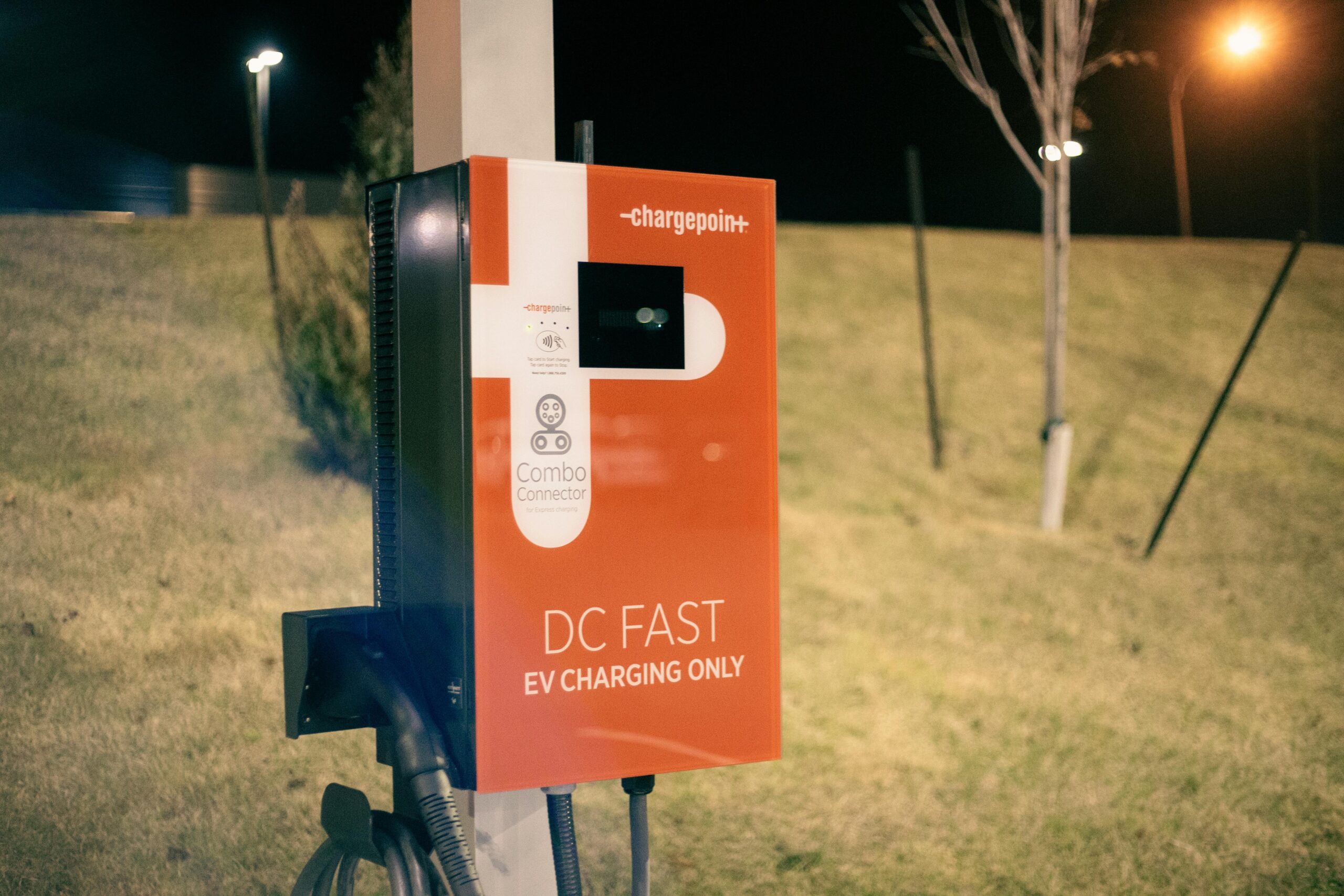
Norway’s capital has taken a slightly different approach, combining car-free zones with aggressive promotion of electric vehicles. The city removed approximately 700 parking spaces from its center in 2019, replacing them with bike lanes, benches, small parks, and outdoor dining areas. Simultaneously, Oslo invested heavily in public transportation and created extensive charging infrastructure for electric vehicles in peripheral areas.
This hybrid approach acknowledges that complete elimination of vehicles may not be immediately feasible in all contexts, but dramatically reducing their presence in city centers while encouraging electric alternatives can achieve many of the same environmental and livability benefits.
The Multifaceted Benefits: Beyond Reduced Traffic
Environmental Transformation 🌱
The environmental benefits of car-free districts extend far beyond the obvious reduction in tailpipe emissions. Studies consistently demonstrate dramatic improvements in air quality within months of implementing vehicle restrictions. Particulate matter, nitrogen oxides, and carbon monoxide levels drop significantly, reducing respiratory illnesses and improving overall public health outcomes.
Noise pollution reduction represents another critical environmental benefit. Urban background noise decreases substantially when automobile traffic disappears, improving sleep quality, reducing stress, and creating more pleasant public spaces where conversation doesn’t require raising voices above traffic din.
The urban heat island effect—where cities become significantly warmer than surrounding areas—also diminishes in car-free districts. Replacing heat-absorbing asphalt with permeable surfaces, vegetation, and water features helps regulate temperature, providing natural cooling that reduces energy consumption for air conditioning.
Economic Revitalization
Contrary to initial merchant concerns in many cities, car-free districts typically experience economic revitalization rather than decline. Pedestrian-friendly streets encourage browsing, spontaneous purchases, and longer visits to commercial areas. Studies in European car-free zones consistently show that while individual transaction values may decrease slightly, overall retail activity increases as foot traffic multiplies.
Property values in car-free districts generally appreciate faster than city averages. Residents and businesses alike value the improved quality of life, cleaner air, reduced noise, and enhanced aesthetic appeal these districts offer. The economic benefits extend beyond immediate commercial activity to include reduced healthcare costs from improved air quality and increased physical activity, as well as decreased infrastructure maintenance expenses for roadways designed for pedestrians rather than heavy vehicles.
Social and Community Enhancement
Perhaps the most transformative aspect of car-free districts involves social dynamics. Streets reclaimed from automobiles become genuine public spaces where communities gather, children play safely, and neighbors interact organically. This “social capital” strengthens community bonds, increases civic engagement, and enhances overall life satisfaction.
Safety improvements prove particularly significant for vulnerable populations. Elderly residents navigate streets with greater confidence, parents allow children more independence, and people with mobility challenges find improved accessibility in environments designed for human movement rather than vehicle efficiency.
🔧 Implementation Challenges and Solutions
Political Resistance and Community Engagement
Implementing car-free districts invariably encounters resistance from various stakeholders. Merchants fear reduced customer access, residents worry about convenience, delivery companies anticipate operational challenges, and automotive interest groups mobilize opposition. Successful implementations require extensive community engagement, pilot programs that demonstrate benefits, and political leadership willing to weather initial criticism.
The most effective approaches involve co-creation processes where residents participate in designing solutions rather than having changes imposed upon them. Barcelona’s superblock planning includes extensive neighborhood consultations, Copenhagen’s transformations occurred incrementally with continuous feedback mechanisms, and successful North American projects like New York’s Times Square pedestrianization involved trial periods before permanent implementation.
Logistical Considerations
Practical challenges around deliveries, emergency vehicle access, accessibility for disabled individuals, and service vehicles require creative solutions. Many car-free districts implement time-restricted access, allowing delivery vehicles during specific morning hours when pedestrian activity remains low. Emergency services maintain unrestricted access through strategically placed bollards that lower for authorized vehicles.
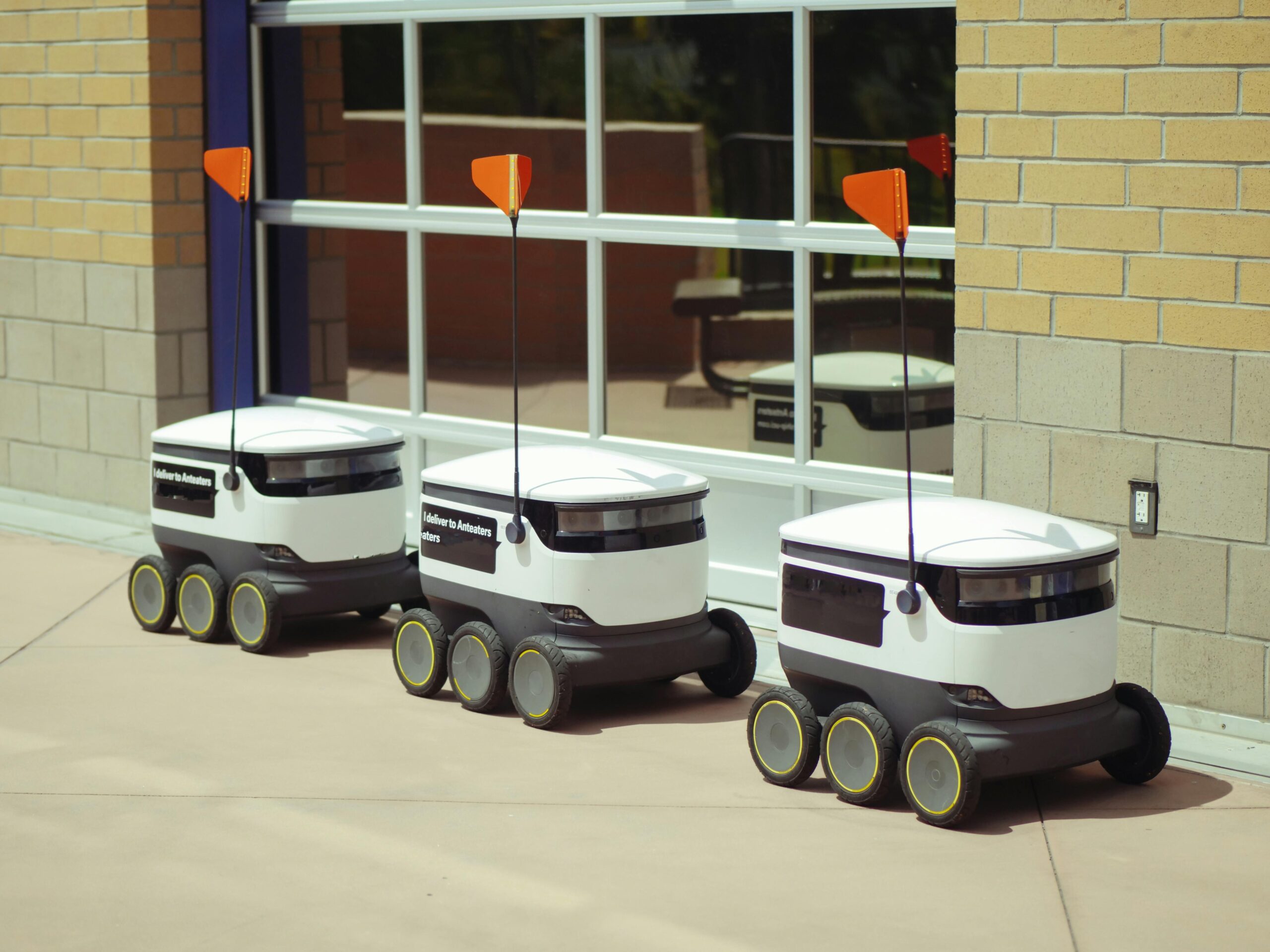
Last-mile delivery innovations increasingly address logistics challenges. Cargo bikes, electric micro-vehicles, and consolidated delivery centers on district perimeters enable efficient goods movement without traditional delivery trucks. Some cities have developed smartphone applications coordinating delivery windows and providing real-time access permissions for authorized vehicles.
Equity and Accessibility Concerns
Critics rightfully raise concerns about equity implications of car-free districts. If implementation increases property values and attracts affluent residents, gentrification may displace existing communities—the very people advocates claim to benefit. Additionally, individuals with disabilities may face genuine challenges in car-free environments if alternative transportation doesn’t adequately accommodate their needs.
Addressing these concerns requires intentional policy design. Rent stabilization measures, inclusionary housing requirements, and community land trusts can help preserve affordability. Robust public transportation with comprehensive accessibility features, subsidized mobility services for disabled residents, and universal design principles ensure car-free doesn’t mean exclusionary.
🚀 Technology’s Role in the Car-Free Future
Emerging technologies are making car-free districts increasingly viable and attractive. Smartphone applications integrate various transportation modes—bike-sharing, scooters, public transit, ride-hailing—into seamless journey planning. Real-time information helps people navigate cities confidently without personal vehicles.
Smart city infrastructure supports car-free districts through sensor networks monitoring air quality, pedestrian flows, and infrastructure conditions. This data enables responsive management, optimizing public space usage and identifying improvement opportunities. Digital payment systems streamline access to shared mobility services, reducing friction in car-free transportation.
Electric micro-mobility devices—e-bikes, e-scooters, electric skateboards—expand the practical range of car-free living. What might have been just beyond comfortable walking distance becomes easily accessible, reducing perceived necessity of personal automobiles even for residents outside car-free districts.
Looking Forward: The Next Generation of Car-Free Urbanism
The future of car-free districts looks remarkably promising. Cities across continents are developing ambitious plans to expand pedestrian zones, implement low-traffic neighborhoods, and create interconnected networks of car-free areas rather than isolated islands. Paris aims to remove through traffic from its historic center, Madrid has created a large low-emission zone in its core, and numerous North American cities are experimenting with “slow streets” programs accelerated by pandemic-era adaptations.
Climate commitments are accelerating these transformations. As cities pursue carbon neutrality targets, transportation sector emissions—typically representing 20-30% of urban carbon footprints—require dramatic reduction. Car-free districts represent one of the most effective strategies for achieving these goals while simultaneously improving quality of life.
The next generation of car-free urbanism will likely integrate even more holistically with broader sustainability initiatives. Urban forests and green infrastructure, renewable energy systems, circular economy principles, and climate adaptation strategies will combine with mobility transformations to create truly regenerative urban districts.
💡 Lessons for Cities Considering Car-Free Districts
Cities embarking on car-free district implementation can learn valuable lessons from pioneering examples:
- Start small and demonstrate success – Pilot projects build support and allow refinement before large-scale implementation
- Invest in alternatives first – Robust public transportation, cycling infrastructure, and pedestrian amenities must precede vehicle restrictions
- Engage communities authentically – Co-creation processes generate better solutions and stronger public support than top-down mandates
- Plan for transition periods – Gradual implementation allows adaptation and reduces disruption
- Monitor and communicate impacts – Data demonstrating benefits helps maintain political will and public support
- Address equity proactively – Anti-displacement measures and accessibility provisions ensure inclusive outcomes
- Remain flexible – Willingness to adjust approaches based on feedback and outcomes improves results

The Cultural Shift: Reimagining Urban Life
Ultimately, car-free districts represent more than infrastructure changes—they embody a fundamental reimagining of urban life. For generations raised in automobile-dominated environments, the shift requires cultural adaptation as much as physical transformation. Children growing up in car-free districts develop different relationships with their neighborhoods, experiencing greater independence and connection to place than peers in car-dependent areas.
This cultural evolution extends to how we conceptualize freedom, convenience, and quality of life. The automobile promised liberation and possibility, but delivered congestion, pollution, and isolation. Car-free districts offer a different vision of urban freedom—the ability to walk safely, breathe clean air, experience vibrant public life, and connect meaningfully with neighbors and environment.
As climate realities intensify and urban populations continue growing, the question isn’t whether cities will embrace car-free districts, but how quickly they can implement them and how extensively they can scale these transformations. The urban revolution is underway, led by cities recognizing that prioritizing people over cars isn’t a sacrifice—it’s an upgrade to more livable, sustainable, and human-centered urbanism. The future of cities is being written in the car-free streets of today’s pioneering districts, offering a glimpse of urban life reimagined for the 21st century and beyond.