The transportation sector stands at a pivotal crossroads, where innovation meets environmental necessity, reshaping how millions of people move through cities worldwide every single day.

Public transit systems have long been the backbone of urban mobility, but they’ve also been significant contributors to air pollution and greenhouse gas emissions. As cities expand and environmental concerns intensify, the transition toward cleaner, more sustainable transportation solutions has become not just desirable but absolutely essential for our collective future.
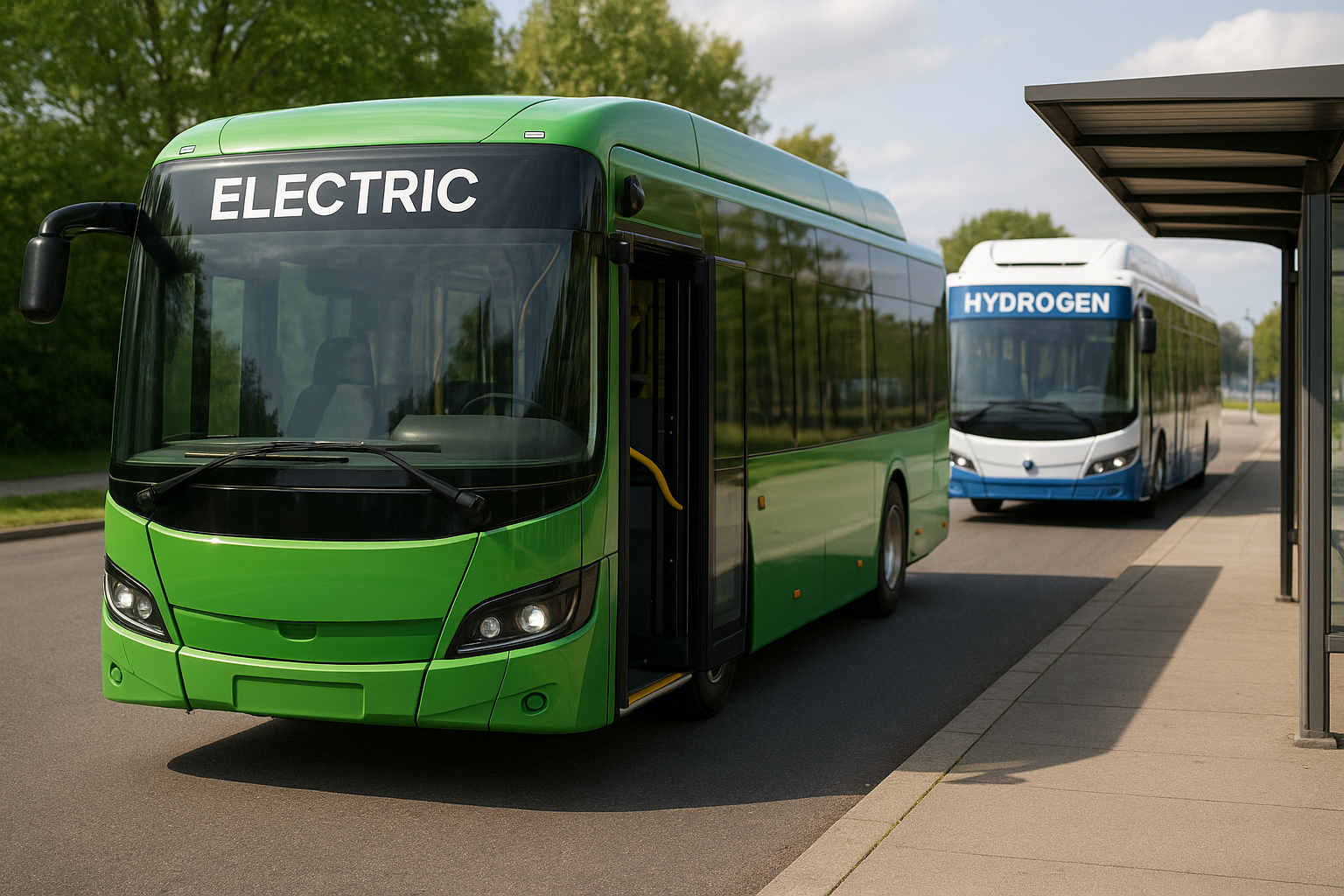
Electric and hydrogen-powered vehicles represent the vanguard of this transportation revolution, offering unprecedented opportunities to dramatically reduce carbon footprints while simultaneously improving service quality, operational efficiency, and passenger experience. This transformation isn’t merely about swapping old technologies for new ones—it’s about reimagining the entire ecosystem of urban mobility.
⚡ The Electric Revolution in Public Transportation
Electric buses and trains have emerged as frontrunners in the race to decarbonize public transit. Cities across Europe, Asia, and North America are rapidly expanding their electric fleets, driven by decreasing battery costs, improved range capabilities, and stricter environmental regulations that demand immediate action.
Battery electric vehicles (BEVs) offer multiple advantages over their diesel-powered predecessors. They operate virtually silently, reducing noise pollution in densely populated urban areas. Their zero-emission operation at point of use significantly improves air quality, particularly in street-level environments where pedestrians and cyclists are most affected by exhaust fumes.
The economic case for electric public transit has strengthened considerably in recent years. While initial capital investments remain higher than conventional vehicles, total cost of ownership calculations increasingly favor electric options due to lower maintenance requirements, reduced fuel costs, and longer operational lifespans. Electric motors have fewer moving parts than internal combustion engines, translating to less frequent repairs and decreased downtime.
Infrastructure Development and Charging Solutions
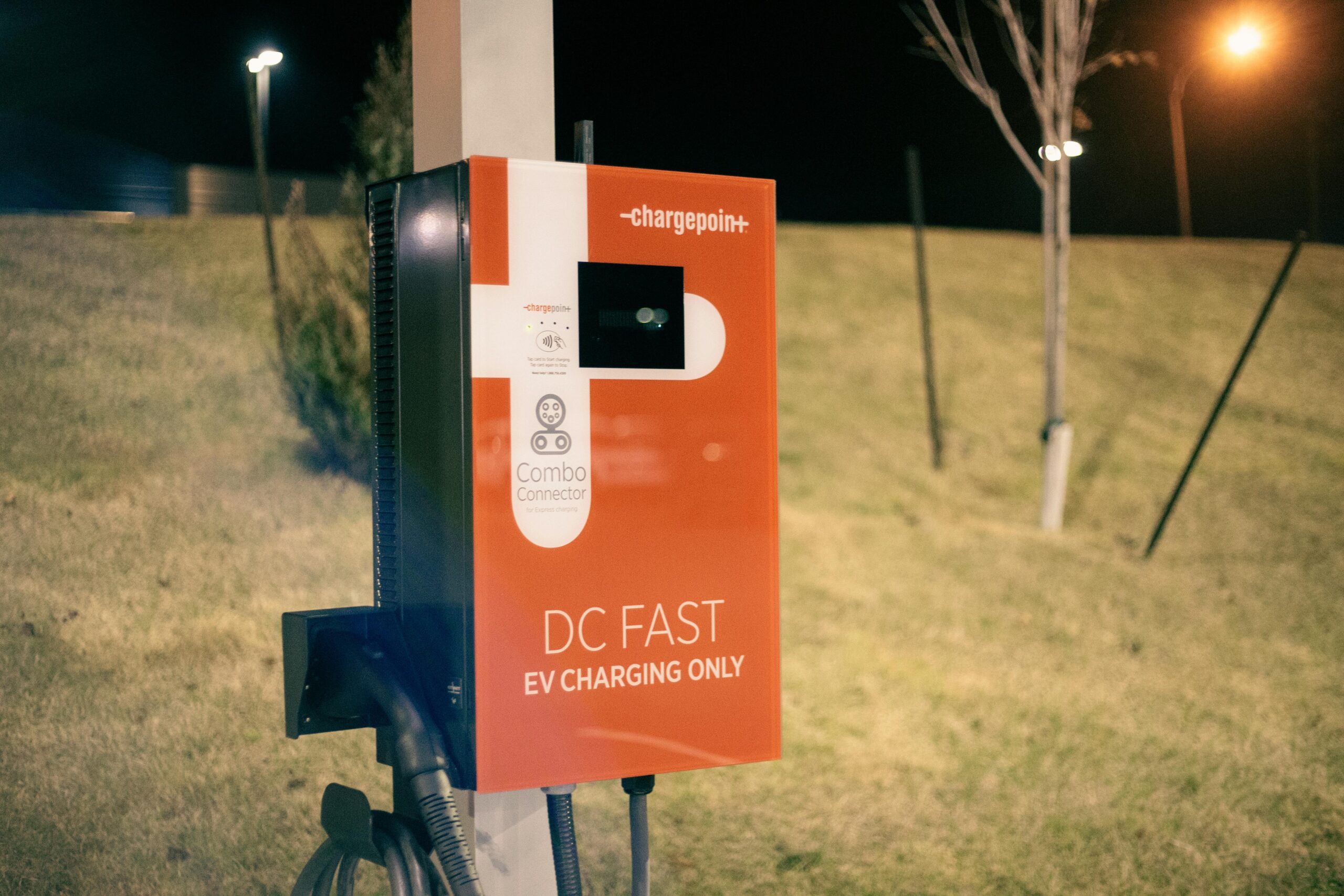
The successful deployment of electric public transit requires robust charging infrastructure strategically positioned throughout service networks. Transit agencies are implementing various charging strategies, from overnight depot charging to opportunity charging at terminals and intermediate stops along routes.
Fast-charging technology has evolved rapidly, enabling buses to recharge during scheduled breaks without disrupting service schedules. Some innovative systems employ wireless inductive charging at bus stops, allowing vehicles to top up their batteries during regular passenger boarding and alighting, effectively maintaining charge levels throughout operational hours.
Smart grid integration represents another crucial dimension of electric transit infrastructure. By coordinating charging schedules with electricity demand patterns and renewable energy availability, transit agencies can minimize costs while maximizing the environmental benefits of electrification. Vehicle-to-grid (V2G) technology even enables transit fleets to serve as mobile energy storage, stabilizing power grids during peak demand periods.
🔋 Hydrogen: The Long-Range Clean Energy Solution
While battery electric vehicles excel in many urban applications, hydrogen fuel cell technology offers compelling advantages for specific use cases, particularly those requiring longer ranges, heavier payloads, or rapid refueling capabilities that challenge current battery technology limitations.
Hydrogen fuel cell vehicles generate electricity through an electrochemical process, combining hydrogen with oxygen to produce power, with water vapor as the only emission. This technology provides the zero-emission benefits of battery electric vehicles while offering refueling times comparable to conventional diesel vehicles—typically just 10-15 minutes for a full tank.
Several European and Asian cities have successfully integrated hydrogen buses into their public transit fleets. These deployments have demonstrated the technology’s viability while identifying areas for continued development and cost reduction. As hydrogen production, storage, and distribution infrastructure expands, fuel cell vehicles become increasingly practical for mainstream transit applications.
Green Hydrogen Production and Distribution
The environmental credentials of hydrogen-powered transportation depend critically on how the hydrogen itself is produced. “Green hydrogen,” generated through electrolysis powered by renewable energy sources, offers truly zero-emission fuel throughout its entire lifecycle. This distinguishes it from “grey hydrogen” derived from natural gas or “blue hydrogen” that involves carbon capture.
Scaling green hydrogen production remains a significant challenge, requiring substantial investments in renewable energy generation capacity and electrolysis facilities. However, costs are declining as production volumes increase and technology matures. Many countries have announced ambitious hydrogen strategies, recognizing its potential role in decarbonizing not just transportation but entire economies.
Hydrogen refueling infrastructure is gradually expanding, with transit agencies often partnering with energy companies to establish initial networks. Co-locating production facilities at transit depots can reduce distribution costs and logistical complexities, making hydrogen more economically attractive for fleet operations.
🌍 Environmental Impact and Climate Benefits
The transportation sector accounts for approximately 24% of global energy-related CO2 emissions, making it a critical target for climate action. Public transit electrification and hydrogen adoption offer substantial opportunities to reduce these emissions while simultaneously improving local air quality in urban environments where impacts on human health are most severe.
Transitioning bus fleets alone can generate significant environmental benefits. A single electric or hydrogen bus can eliminate approximately 1,300 tons of greenhouse gas emissions over its operational lifetime compared to a diesel equivalent. When multiplied across entire metropolitan transit systems, these reductions become genuinely transformative.
Beyond carbon emissions, electric and hydrogen vehicles eliminate local air pollutants including nitrogen oxides, particulate matter, and sulfur compounds that contribute to respiratory diseases, cardiovascular problems, and premature mortality. Communities adjacent to major transit corridors—often lower-income neighborhoods—stand to benefit most from cleaner air quality improvements.
Lifecycle Emissions Analysis
A comprehensive environmental assessment must consider the entire lifecycle of vehicles and their energy sources. Battery production, particularly lithium-ion cells, involves mining activities and manufacturing processes with environmental footprints. However, lifecycle analyses consistently demonstrate that electric vehicles produce significantly fewer total emissions than conventional alternatives, even when accounting for battery production and electricity generation.
As electricity grids incorporate greater proportions of renewable energy, the lifecycle emissions advantages of electric vehicles continue to improve. Similarly, transitioning to green hydrogen production further reduces the carbon intensity of fuel cell vehicles. This creates a virtuous cycle where improvements in energy infrastructure amplify the environmental benefits of clean transportation technologies.
💰 Economic Considerations and Financial Models
The economics of transitioning to electric and hydrogen-powered public transit involve complex calculations balancing capital costs, operational expenses, infrastructure investments, and potential revenue implications. While upfront costs remain higher for clean technologies, total cost of ownership analyses increasingly favor these alternatives over conventional diesel vehicles.
Government incentives, subsidies, and financing programs play crucial roles in accelerating adoption by reducing initial financial barriers. Many jurisdictions offer grants, tax credits, or preferential loan terms for clean transit investments. Carbon pricing mechanisms and low-emission zone policies create additional economic incentives favoring zero-emission vehicles.
Operational cost savings represent a significant advantage of electric and hydrogen vehicles. Electricity and green hydrogen can be substantially cheaper than diesel fuel on a per-mile basis, particularly when renewable energy sources are utilized. Maintenance costs are markedly lower due to simpler drivetrains with fewer wearing components requiring replacement.
Funding Mechanisms and Public-Private Partnerships
Transit agencies are exploring innovative financing models to overcome capital cost challenges. Leasing arrangements, performance-based contracts, and as-a-service models allow agencies to deploy clean technologies without massive upfront capital expenditures. These approaches transfer some financial risks to manufacturers and operators while ensuring guaranteed performance standards.
Public-private partnerships have proven effective in developing infrastructure and scaling deployments. Energy companies, vehicle manufacturers, and transit operators collaborate to establish integrated systems encompassing vehicles, charging or refueling infrastructure, and maintenance services. These partnerships leverage private sector expertise and capital while maintaining public oversight and service standards.
🚌 Technology Innovations Driving the Transition
Rapid technological advancement continues to improve the performance, reliability, and cost-effectiveness of electric and hydrogen-powered transit vehicles. Battery energy density has increased dramatically while costs have plummeted—lithium-ion battery prices have fallen by approximately 90% over the past decade, fundamentally altering economic calculations.
Next-generation battery technologies promise further improvements. Solid-state batteries offer higher energy densities, faster charging capabilities, and improved safety characteristics compared to current lithium-ion technology. Alternative chemistries including sodium-ion and lithium-sulfur batteries may reduce dependence on scarce materials while further lowering costs.
Hydrogen fuel cell technology has similarly advanced, with improvements in durability, efficiency, and cold-weather performance. Stack lifetimes now match or exceed the operational requirements of transit applications, eliminating early concerns about premature replacement needs. Efficiency improvements reduce hydrogen consumption, lowering operational costs and extending vehicle ranges.
Digital Integration and Smart Fleet Management
Clean transit vehicles increasingly incorporate sophisticated digital systems enabling optimized operations. Telematics platforms monitor vehicle performance, energy consumption, and maintenance needs in real-time, allowing proactive interventions that minimize downtime and extend asset lifespans. Predictive analytics identify potential issues before they cause service disruptions.
Route optimization algorithms leverage data on topography, traffic patterns, and energy consumption to maximize efficiency. Charging and refueling schedules are dynamically adjusted based on operational requirements and energy costs. These intelligent systems ensure that clean technologies deliver not just environmental benefits but operational advantages as well.
🌟 Global Leaders and Success Stories
Numerous cities worldwide have demonstrated that large-scale transitions to clean public transit are not only feasible but highly beneficial. Shenzhen, China, completed a remarkable transformation of its entire 16,000-bus fleet to electric vehicles, becoming the first major city to achieve full electrification. This bold initiative has eliminated substantial emissions while reducing operational costs and noise pollution.
London continues expanding its electric bus fleet while introducing hydrogen double-deckers on select routes, creating one of Europe’s largest zero-emission bus fleets. The city’s low-emission zone policies create strong incentives for clean technology adoption while generating measurable air quality improvements in central districts.
Santiago, Chile, operates the largest electric bus fleet outside China, with hundreds of vehicles serving routes throughout the metropolitan area. The city’s commitment to electrification includes aggressive expansion plans targeting complete fleet transformation within the coming decade. These deployments demonstrate that developing economies can leapfrog conventional technologies by embracing clean alternatives.
Lessons from Early Adopters
Pioneer cities have generated valuable insights informing subsequent deployments. Early challenges including insufficient range, inadequate charging infrastructure, and vehicle reliability issues have been progressively addressed through technology improvements and operational experience. These lessons enable newer adopters to avoid pitfalls while accelerating their own transitions.
Stakeholder engagement emerges as a critical success factor. Effective transitions involve drivers, maintenance personnel, unions, community groups, and passengers in planning processes, ensuring that diverse perspectives inform implementation strategies. Training programs prepare workforce members for new technologies, building internal capabilities essential for long-term success.
🔮 Future Prospects and Emerging Trends
The trajectory of public transit electrification and hydrogen adoption points toward continued rapid expansion. Industry forecasts project that electric and hydrogen vehicles will dominate new bus sales in major markets within the next decade, fundamentally transforming urban transportation landscapes worldwide.
Autonomous vehicle technology intersects with electrification trends, potentially amplifying benefits through optimized operations and reduced labor costs. Self-driving electric buses could provide more frequent service on flexible routes, improving accessibility while maintaining cost-effectiveness. Several pilot projects are already exploring these synergies.
Integration with broader mobility ecosystems represents another important trend. Clean public transit increasingly coordinates with bike-sharing, e-scooters, ride-hailing services, and pedestrian infrastructure to create seamless multimodal networks. Digital platforms enable travelers to plan, book, and pay for journeys across multiple transportation modes, enhancing convenience and encouraging sustainable travel choices.
Policy Frameworks Accelerating Change
Government policies will continue shaping the pace and scale of clean transit adoption. Strengthening emissions standards, expanding low-emission zones, and implementing carbon pricing create regulatory environments favoring zero-emission technologies. Procurement mandates requiring minimum percentages of clean vehicles in transit fleets drive market transformation.
International cooperation facilitates knowledge sharing, technology transfer, and coordinated standard-setting that accelerates global transitions. Organizations including C40 Cities and UITP (International Association of Public Transport) enable cities to learn from each other’s experiences while collectively advocating for supportive policies and funding mechanisms.
🚀 Realizing the Vision of Clean Urban Mobility
The revolution in public transit powered by electric and hydrogen technologies represents far more than a simple vehicle substitution. It embodies a fundamental reimagining of urban mobility—one that prioritizes environmental sustainability, public health, operational efficiency, and passenger experience in equal measure.
Success requires coordinated action across multiple dimensions: continued technology innovation, infrastructure development, supportive policy frameworks, innovative financing mechanisms, workforce development, and community engagement. No single stakeholder can drive this transformation alone; it demands collaboration among governments, transit agencies, manufacturers, energy providers, and communities.
The benefits extend beyond emissions reductions. Cleaner, quieter streets enhance urban livability, making cities more attractive places to live, work, and visit. Improved air quality delivers measurable public health benefits, reducing healthcare costs and improving quality of life. Economic opportunities emerge through manufacturing, infrastructure development, and service provision, creating jobs while advancing environmental objectives.
As we stand at this transformative moment, the path forward is increasingly clear. Electric and hydrogen-powered public transit offers proven technologies capable of delivering the clean, efficient, reliable transportation systems our cities urgently need. The question is no longer whether this transition will occur, but how quickly we can accelerate its pace to meet the urgent demands of climate action and urban sustainability. The future of public transportation is arriving—clean, quiet, and ready to carry us toward more livable, sustainable cities for all.