The electric vehicle revolution is reshaping our cities, and the infrastructure to support it must evolve just as rapidly as the technology itself.

Urban centers worldwide are experiencing a fundamental transformation in how people move through their streets. As governments push for carbon neutrality and consumers increasingly embrace electric mobility, the demand for accessible, efficient, and strategically located charging infrastructure has become one of the most pressing challenges of urban planning. Cities that successfully navigate this transition will not only reduce emissions but also position themselves as leaders in the sustainable economy of tomorrow.
The integration of EV charging infrastructure into densely populated areas presents unique challenges that differ significantly from suburban or rural contexts. Limited space, aging electrical grids, diverse housing types, and the need to serve thousands of vehicles simultaneously require innovative thinking and substantial investment. Yet the opportunities are equally compelling: reduced air pollution, quieter streets, new revenue streams for municipalities, and the creation of a more resilient energy ecosystem.
⚡ The Current State of Urban EV Charging Networks
Today’s urban charging landscape is characterized by rapid growth but uneven distribution. Major metropolitan areas like London, Amsterdam, and Los Angeles have made significant strides in deploying public charging stations, while many other cities are still in the early stages of infrastructure development. The disparity creates anxiety among potential EV buyers who worry about finding available charging points during their daily routines.
Current charging infrastructure typically falls into three categories: residential charging for those with private parking, workplace charging at commercial buildings, and public charging stations scattered throughout the city. Each serves a distinct purpose, but the network effect—where the value increases as more stations are added—remains incomplete in most urban environments. This fragmentation leaves gaps that discourage adoption and creates frustration for existing EV owners.
The technological landscape is equally diverse, with multiple charging standards, payment systems, and network operators competing for market share. This lack of standardization complicates the user experience, as drivers often need multiple apps and memberships to access different charging networks. The industry is gradually moving toward interoperability, but progress remains slower than many stakeholders would prefer.
🏙️ Addressing the Urban Density Challenge
Cities must confront the reality that millions of residents live in apartments, condominiums, and multi-family buildings without dedicated parking spaces. These urban dwellers represent a significant portion of potential EV buyers, yet they face the greatest barriers to charging access. Traditional models that rely on home charging simply don’t work for this demographic, necessitating creative solutions.
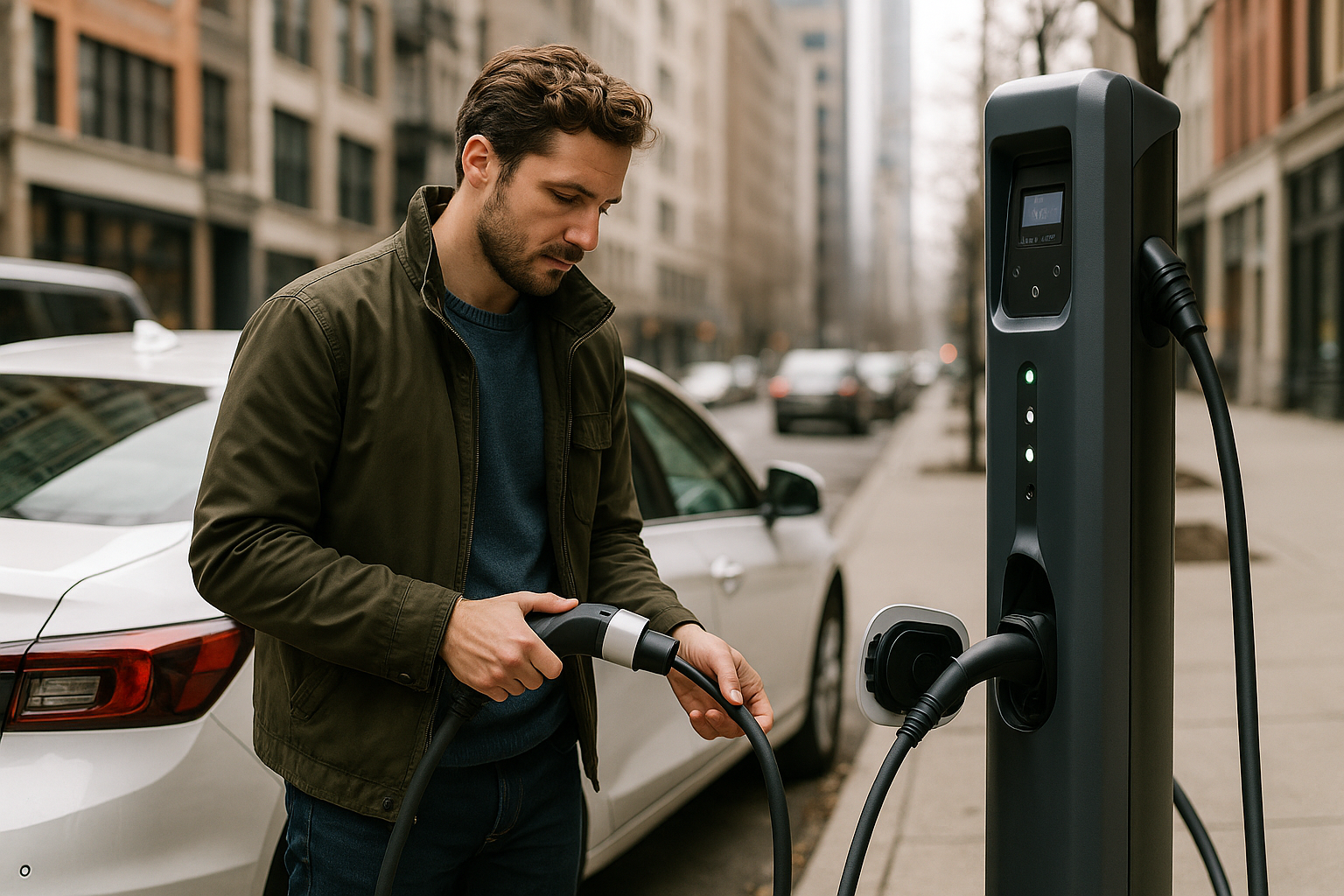
On-street charging has emerged as one promising approach. Cities are retrofitting existing street furniture—lampposts, parking meters, and bollards—with charging capabilities. This strategy leverages existing electrical connections and minimizes the visual impact of new infrastructure. London has become a pioneer in this approach, with thousands of lamppost chargers now serving residents who park on public streets.
Another solution involves mandating or incentivizing charging infrastructure in existing parking garages and structures. Many cities are updating building codes to require a percentage of parking spaces include charging equipment, with electrical capacity for future expansion. These regulations ensure that new developments contribute to the charging network rather than exacerbating the infrastructure deficit.
🔌 The Technology Evolution: Fast Charging Comes to Town
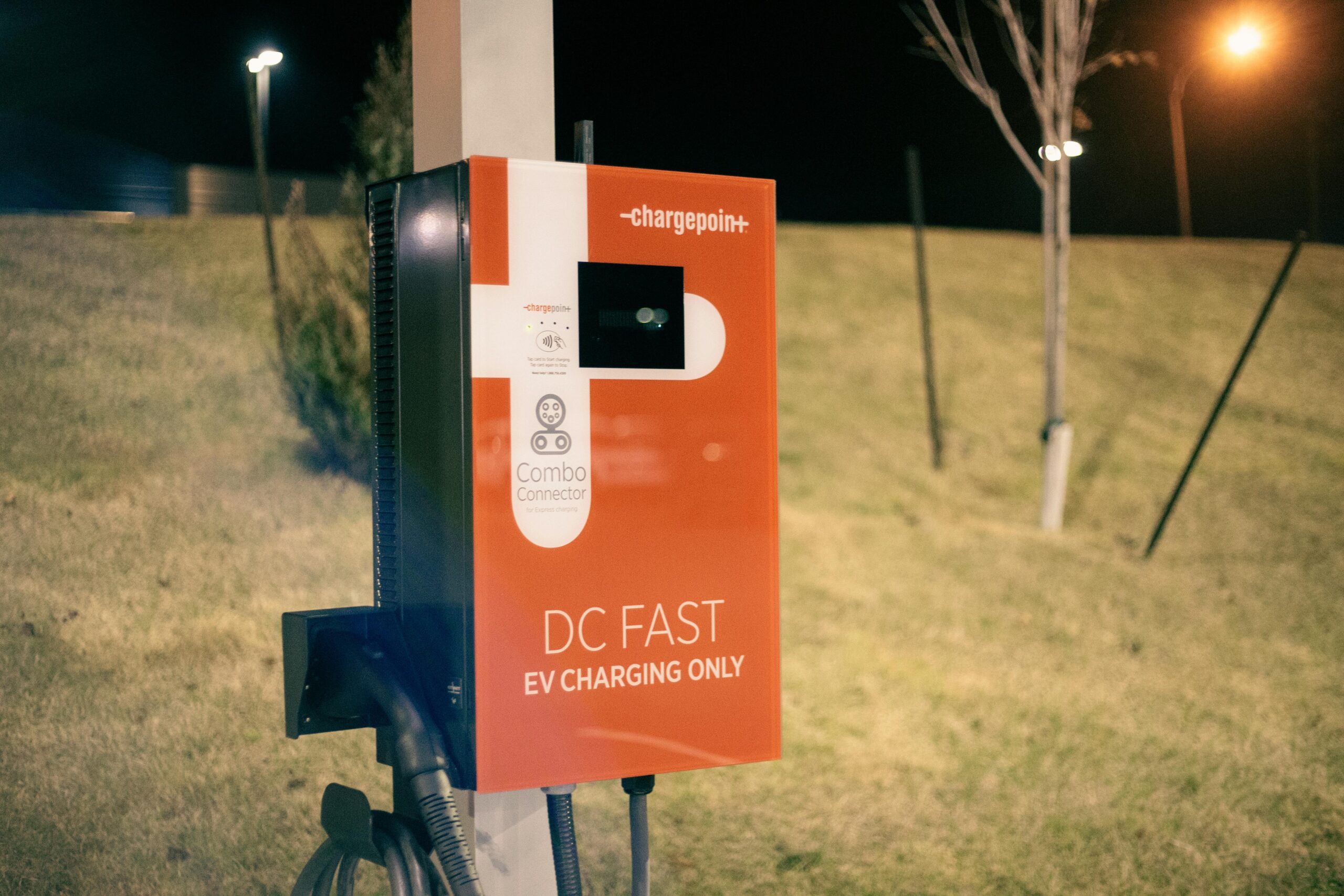
The speed of charging technology has advanced dramatically in recent years. Early public chargers offered modest 3-7 kW power levels, requiring hours to replenish a battery. Today’s fast chargers can deliver 50-350 kW, adding hundreds of miles of range in just 15-30 minutes. This technological leap fundamentally changes how urban charging infrastructure can be deployed and utilized.
Ultra-fast charging hubs are beginning to appear in urban centers, often located near highways, shopping districts, and transportation hubs. These facilities can serve dozens of vehicles simultaneously, functioning more like traditional gas stations than the slow chargers of the past. The economics of these installations are improving as equipment costs decline and utilization rates increase, making them attractive to both private operators and municipal authorities.
However, ultra-fast charging also presents challenges for urban electrical grids. The power demands of multiple high-capacity chargers can strain local distribution systems, particularly in neighborhoods with older infrastructure. Cities are responding by upgrading substations, implementing load management systems, and exploring battery storage solutions that can buffer demand and reduce grid stress during peak periods.
💡 Smart Charging and Grid Integration
The future of urban EV charging extends far beyond simply providing power to vehicles. Smart charging systems that communicate with the electrical grid represent a paradigm shift in how we think about energy distribution. These intelligent systems can adjust charging speeds based on grid conditions, electricity prices, and renewable energy availability, creating a more efficient and sustainable ecosystem.
Vehicle-to-grid (V2G) technology takes this concept even further. EVs equipped with bidirectional charging capabilities can actually return power to the grid during periods of high demand, effectively turning every electric vehicle into a distributed energy storage device. In urban centers with thousands of EVs, this creates enormous potential for grid stabilization and renewable energy integration.
Cities are beginning to pilot programs that reward EV owners for participating in demand response initiatives. During peak consumption periods or renewable energy lulls, charging slows automatically or vehicles discharge small amounts of power back to the grid. In return, drivers receive lower electricity rates or direct payments. These programs benefit everyone: drivers save money, the grid operates more efficiently, and renewable energy sources become more viable.
🏢 The Business Models Reshaping Urban Charging
The economics of EV charging infrastructure continue to evolve as the market matures. Early charging networks struggled with low utilization rates and high installation costs, making profitability elusive. Today, a diverse ecosystem of business models is emerging, each targeting different market segments and use cases.
Major energy companies are entering the space, leveraging their existing customer relationships and capital resources. Oil and gas giants are transforming service stations into multi-energy hubs that offer both traditional fuels and electric charging. Their established real estate portfolios in prime urban locations provide natural advantages as they pivot toward an electric future.
Technology companies and startups are also making significant inroads, particularly in the smart charging and software management sectors. These firms focus on optimization algorithms, user experience, and integration with broader mobility platforms. Some are developing subscription models that provide members with unlimited charging across multiple networks, simplifying the user experience and creating predictable revenue streams.
Retailers and commercial property owners increasingly view charging infrastructure as an amenity that attracts customers and tenants. Shopping centers, hotels, and office buildings install chargers not primarily to generate revenue from electricity sales, but to differentiate their properties and extend customer dwell time. This model works particularly well in urban centers where competition for foot traffic is intense.
🌍 Policy Frameworks Accelerating Urban Deployment
Government policy plays a crucial role in determining the pace and character of charging infrastructure development. Progressive cities are implementing comprehensive strategies that combine incentives, mandates, and public investment to accelerate deployment. These policy frameworks address market failures and ensure that infrastructure development keeps pace with vehicle adoption.
Many jurisdictions offer substantial grants and tax incentives for charging station installation, particularly in underserved neighborhoods. These programs help overcome the initial capital barriers that discourage private investment in areas with lower expected utilization. By subsidizing infrastructure in lower-income communities, cities ensure that the electric mobility transition benefits all residents, not just the affluent.
Building code reforms represent another powerful policy lever. Requirements that new construction include EV-ready parking spaces—with electrical capacity even if chargers aren’t immediately installed—dramatically reduce future retrofit costs. Some cities extend these requirements to major renovations, gradually transforming the entire building stock to support electric mobility.
Parking policy is also evolving to support EV adoption. Preferential parking rates, reserved spaces, and exemptions from time limits for charging EVs provide tangible benefits that encourage adoption. These policies are particularly effective in dense urban cores where parking is scarce and expensive, creating strong incentives for residents to choose electric vehicles.
🔋 The Role of Battery Technology in Infrastructure Planning
Advances in battery technology directly influence infrastructure requirements. As energy density improves and costs decline, vehicles can travel further on a single charge, reducing the frequency of charging sessions. Conversely, as batteries grow larger, charging times increase unless charging speeds also advance. Urban planners must anticipate these technological trajectories when designing infrastructure that will serve cities for decades.
The emergence of solid-state batteries promises another leap forward. These next-generation batteries offer higher energy density, faster charging, and improved safety compared to current lithium-ion technology. If solid-state batteries deliver on their promise, vehicles might charge fully in just 10-15 minutes, fundamentally changing the infrastructure landscape and making charging more similar to the conventional refueling experience.
Battery swapping represents an alternative approach that some companies are pursuing, particularly for commercial vehicles and two-wheelers. Rather than waiting for batteries to charge, drivers exchange depleted batteries for fully charged ones in minutes. This model requires substantial infrastructure investment and battery standardization, but it eliminates charging time entirely. Several Chinese cities have deployed extensive battery swapping networks, demonstrating the concept’s viability at scale.
🚗 Integrating Charging with Autonomous and Shared Mobility
The convergence of electric, autonomous, and shared mobility will profoundly reshape urban transportation and charging infrastructure needs. Autonomous electric vehicles that provide ride-hailing services will spend most of their time in motion rather than parked, creating different charging patterns than privately owned vehicles. These fleets will likely charge at dedicated depots optimized for high throughput rather than using dispersed public infrastructure.
Shared mobility services are already predominantly electric in many cities, as the economics favor EVs for high-mileage commercial applications. Companies like Uber and Lyft are transitioning their fleets and partnering with charging networks to ensure driver access. This shift accelerates infrastructure deployment, as commercial operators have stronger incentives to ensure reliable charging access than individual consumers.
Wireless charging technology may eventually transform how autonomous vehicles recharge. Inductive charging pads embedded in parking spaces or even roadways could automatically charge vehicles without any human intervention. While still expensive and relatively inefficient, this technology could be particularly valuable for autonomous fleets that need to maximize operational time without human oversight for plugging in.
📊 Data-Driven Planning for Optimal Network Design
Modern cities are leveraging data analytics to optimize charging infrastructure placement and design. By analyzing traffic patterns, parking behaviors, demographic data, and existing EV adoption rates, planners can identify optimal locations for new charging stations. This evidence-based approach ensures that limited infrastructure budgets deliver maximum impact and accessibility.
Real-time utilization data from existing charging networks provides valuable insights into user behavior and peak demand periods. Cities can identify bottlenecks where additional capacity is needed and underutilized stations that might be better relocated. This continuous optimization process ensures that infrastructure evolves in response to actual usage patterns rather than theoretical models.
Predictive modeling helps cities anticipate future needs based on vehicle adoption projections and policy scenarios. Understanding where EV density will be highest in five or ten years allows proactive infrastructure development rather than reactive catch-up. These models incorporate factors like housing types, income levels, commuting patterns, and proximity to transit to create nuanced forecasts of charging demand.
🌟 Equity and Accessibility in Infrastructure Development
Ensuring equitable access to charging infrastructure is both a moral imperative and a practical necessity for broad EV adoption. Low-income communities and communities of color often face the greatest barriers to EV ownership, including limited access to home charging and fewer public charging options in their neighborhoods. Without intentional efforts to address these disparities, the electric mobility transition risks exacerbating existing inequalities.
Progressive cities are implementing equity-focused infrastructure programs that prioritize underserved communities. These initiatives often combine charging infrastructure with other community benefits like solar installations, improved street lighting, and public space enhancements. By bundling infrastructure development with broader neighborhood improvements, cities build community support and deliver multiple benefits simultaneously.
Multilingual interfaces, accessible payment options, and standardized user experiences are essential for ensuring that charging infrastructure serves diverse urban populations. Many early charging networks created unnecessarily complex user experiences that disadvantaged those with limited technological familiarity or digital access. The industry is gradually moving toward simpler, more inclusive designs that serve all potential users regardless of background.
⚡ The Path Forward: Building Resilient Urban Charging Ecosystems
The next decade will determine whether cities successfully build charging infrastructure that supports mass EV adoption or whether inadequate infrastructure becomes a bottleneck that slows the transition. Success requires coordinated action from multiple stakeholders: governments must provide policy frameworks and public investment, utilities must upgrade grid capacity, private operators must deploy and manage charging networks, and automakers must continue improving vehicle technology.
The most successful cities will likely pursue hybrid approaches that leverage both public and private resources. Municipal governments can focus on ensuring broad geographic coverage and serving equity priorities, while private operators concentrate on high-traffic locations where commercial viability is clear. Public-private partnerships that share risks and rewards can accelerate deployment while protecting public interests.
Flexibility must be built into infrastructure planning, as technology and user needs will continue evolving. Modular designs that allow capacity expansion, emerging standards that enable equipment upgrades, and policies that adapt to changing circumstances will ensure that today’s investments remain valuable for decades. Cities that view charging infrastructure as a dynamic system requiring continuous evolution rather than a static project to be completed will be best positioned for long-term success.
The transformation of urban transportation toward electric mobility represents one of the most significant infrastructure challenges and opportunities of our time. Cities that successfully deploy comprehensive, accessible, and intelligent charging networks will not only reduce emissions and improve air quality but also position themselves as attractive destinations for residents, businesses, and investment. The future of urban mobility is electric, and the infrastructure to power it must be built today.