Urban transportation is experiencing a seismic shift as bike-sharing and micro-mobility solutions reshape how millions navigate city streets, offering sustainable alternatives to traditional vehicles.

🚴 The Micro-Mobility Revolution Takes Center Stage
Cities worldwide are witnessing an unprecedented transformation in how people move through urban environments. The rise of bike-sharing programs, electric scooters, and innovative micro-mobility solutions has fundamentally altered the transportation landscape. What began as a simple concept of shared bicycles has evolved into a sophisticated ecosystem of connected devices, smart infrastructure, and data-driven services that prioritize accessibility, sustainability, and convenience.
The micro-mobility sector has grown exponentially over the past decade, with market valuations reaching billions of dollars globally. This growth reflects not just a trend, but a fundamental shift in urban planning philosophy and consumer behavior. Modern city dwellers increasingly prioritize flexibility, environmental consciousness, and cost-effectiveness when choosing transportation options.
Smart Technology Driving Innovation Forward
Today’s bike-sharing and micro-mobility platforms leverage cutting-edge technology to deliver seamless user experiences. GPS tracking, IoT connectivity, and artificial intelligence work together to optimize fleet management, predict demand patterns, and ensure vehicles are available where and when users need them most.
Modern sharing platforms utilize sophisticated algorithms that analyze historical usage data, weather patterns, events, and traffic conditions to strategically position vehicles throughout cities. This predictive deployment reduces wait times and ensures optimal coverage across urban areas.
Advanced Battery and Charging Solutions
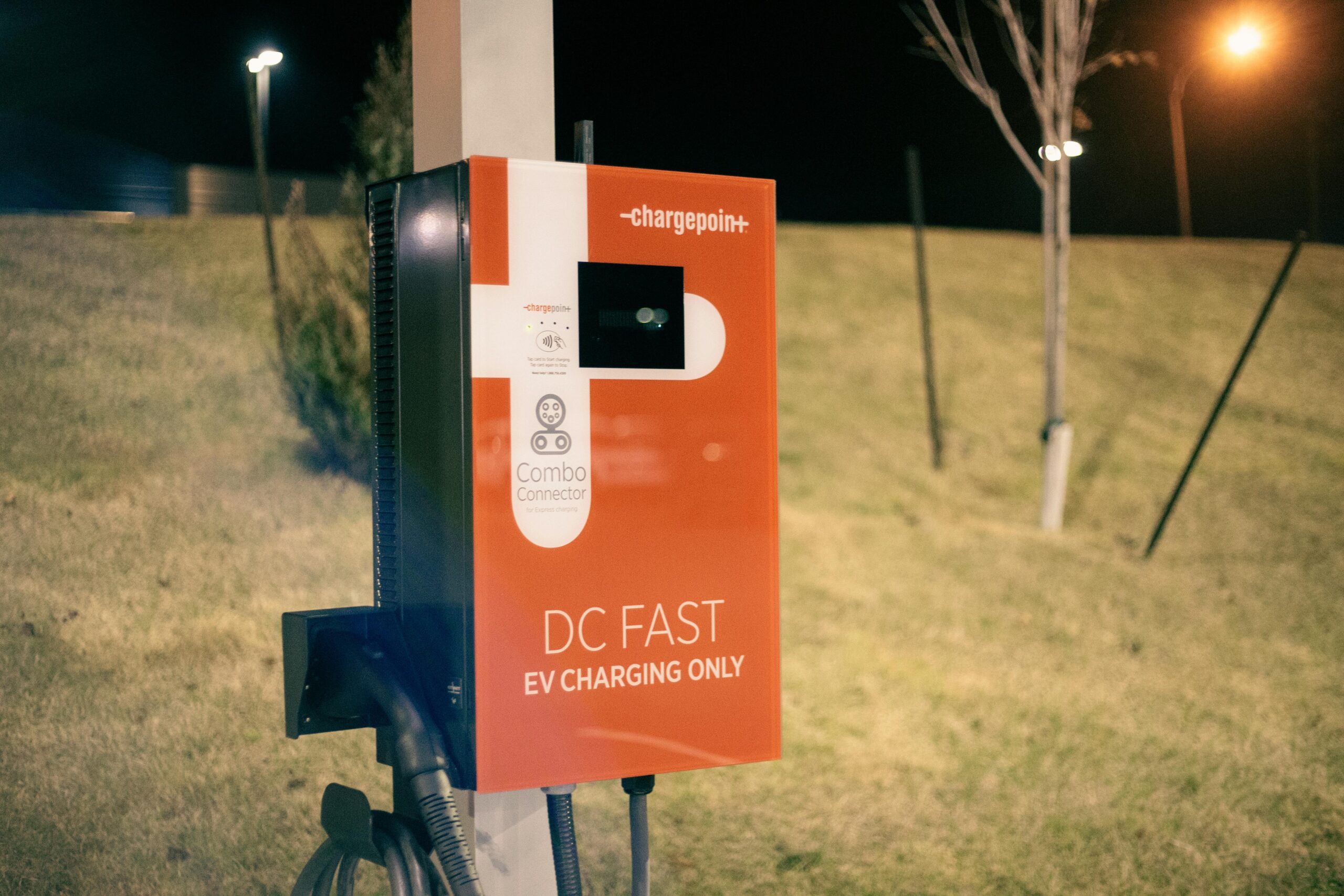
One of the most significant innovations in micro-mobility involves battery technology and charging infrastructure. Electric bikes and scooters now feature swappable battery systems that allow operators to quickly replace depleted batteries without removing entire vehicles from service. Some companies have developed automated charging stations where vehicles can dock and recharge autonomously.
Battery management systems have become increasingly sophisticated, monitoring cell health, optimizing charging cycles, and extending overall lifespan. These improvements directly translate to better user experiences and more sustainable operations.
Dockless Systems and Their Evolution 🛴
The introduction of dockless bike-sharing systems marked a pivotal moment in the industry’s development. Unlike traditional dock-based systems requiring dedicated stations, dockless models allow users to locate, unlock, and park vehicles virtually anywhere within designated service areas.
This flexibility dramatically increased accessibility and convenience, though it also introduced challenges related to vehicle clutter, improper parking, and maintenance logistics. Forward-thinking companies have responded with innovative solutions including virtual parking zones, computer vision technology to verify proper parking, and incentive systems rewarding responsible user behavior.
Geofencing and Smart Parking Zones
Modern micro-mobility platforms employ geofencing technology to establish virtual boundaries and designated parking areas. Users receive notifications when entering or leaving specific zones, and the system can automatically slow vehicles or prevent them from operating in restricted areas.
Smart parking zones use painted markings or designated racks combined with GPS verification to ensure vehicles are parked appropriately. Some advanced systems incorporate computer vision, requiring users to photograph their parked vehicle before ending their trip, with AI algorithms verifying proper parking.
Integration with Public Transportation Networks
Perhaps the most transformative innovation in urban mobility is the seamless integration between micro-mobility services and traditional public transportation systems. Cities and operators increasingly recognize that these services complement rather than compete with buses, trains, and metros.
This integration manifests in several ways. Many transit apps now incorporate bike-sharing and scooter options into their journey planning algorithms, suggesting optimal combinations of transportation modes. Physical infrastructure increasingly reflects this multimodal approach, with bike-sharing stations located strategically near transit hubs.
Transit agencies and micro-mobility operators are forming partnerships that offer bundled subscriptions, shared payment systems, and coordinated service areas designed to address first-mile and last-mile connectivity challenges that have long plagued public transportation.
Sustainability and Environmental Impact 🌱
Environmental benefits drive much of the enthusiasm surrounding micro-mobility innovations. Each trip taken on a shared bike or scooter potentially replaces a car journey, reducing carbon emissions, air pollution, and traffic congestion. Studies indicate that micro-mobility options can significantly decrease urban vehicle miles traveled when properly implemented.
However, the environmental calculus involves more than just operational emissions. Manufacturing, transportation, maintenance, and disposal of vehicles all contribute to their overall environmental footprint. Industry leaders are responding with more sustainable practices throughout the lifecycle.
Circular Economy Approaches
Progressive micro-mobility companies are adopting circular economy principles, designing vehicles for longevity, repairability, and recyclability. Some operators have established refurbishment programs where damaged vehicles are repaired and returned to service rather than scrapped.
Material selection increasingly prioritizes recycled components and sustainable manufacturing processes. Several companies now publish detailed lifecycle assessments and environmental impact reports, demonstrating accountability and commitment to genuine sustainability beyond marketing claims.
Safety Innovations and User Protection
Safety remains paramount as micro-mobility adoption grows. Operators, cities, and technology providers continue developing innovations to protect riders, pedestrians, and other road users. These advances span hardware design, software features, infrastructure improvements, and educational initiatives.
Modern electric bikes and scooters incorporate improved braking systems, enhanced lighting for visibility, and more stable frame designs. Some vehicles feature built-in helmets or helmet detection systems that encourage protective equipment use through incentives or requirements.
Technology-Enabled Safety Features
Software innovations contribute significantly to safety improvements. Speed limiting in high-traffic or pedestrian-heavy areas protects all road users. Some systems can detect riding on sidewalks and issue warnings or penalties. Stability control algorithms help prevent accidents by detecting dangerous riding patterns.
Educational features within apps provide safety tips, local traffic rules, and riding tutorials before first trips. Gamification elements reward safe riding behaviors, creating positive reinforcement loops that encourage responsible use.
Accessibility and Inclusive Design 🌍
Ensuring micro-mobility services are accessible to all community members regardless of physical ability, economic status, or technical proficiency represents both a moral imperative and a business opportunity. Industry innovations increasingly address accessibility across multiple dimensions.
Adaptive bikes designed for users with different abilities are appearing in sharing fleets. These include three-wheeled bikes for improved stability, hand-cycle options, and vehicles accommodating wheelchair users. Pricing structures increasingly include subsidized options for low-income users, ensuring financial barriers don’t exclude community members from sustainable transportation access.
Digital Accessibility and Multilingual Support
App design considers users with varying levels of technological literacy and different abilities. Voice guidance, screen reader compatibility, simplified interfaces, and multilingual support ensure diverse populations can access services. Some operators offer alternative registration and payment methods for users without smartphones or credit cards.
Data-Driven Urban Planning and Policy
The wealth of data generated by micro-mobility systems provides unprecedented insights into urban movement patterns, infrastructure needs, and transportation behaviors. Progressive cities leverage this information to inform planning decisions, optimize infrastructure investments, and develop evidence-based policies.
Anonymized trip data reveals which routes experience highest demand, where infrastructure gaps exist, and how micro-mobility usage varies by time, weather, and events. This intelligence helps cities prioritize protected bike lane construction, identify optimal locations for parking zones, and adjust traffic patterns to accommodate multimodal transportation.
Privacy Considerations and Data Governance
While data provides valuable planning insights, privacy protection remains essential. Industry best practices involve anonymization, aggregation, and transparent data policies that protect individual privacy while enabling beneficial analysis. Regulatory frameworks increasingly codify data sharing requirements and privacy protections.
Economic Models and Business Sustainability 💰
The micro-mobility industry continues evolving its economic models to achieve long-term viability. Early approaches focused on rapid expansion and market share acquisition, often prioritizing growth over profitability. Market maturation has brought more sustainable strategies emphasizing operational efficiency, strategic partnerships, and diversified revenue streams.
Subscription models complement pay-per-use options, providing predictable revenue and encouraging frequent usage. Corporate partnerships, advertising opportunities, and data licensing agreements create additional income sources. Some operators pursue vertical integration, manufacturing their own vehicles to control costs and quality.
Emerging Technologies Shaping Tomorrow’s Mobility
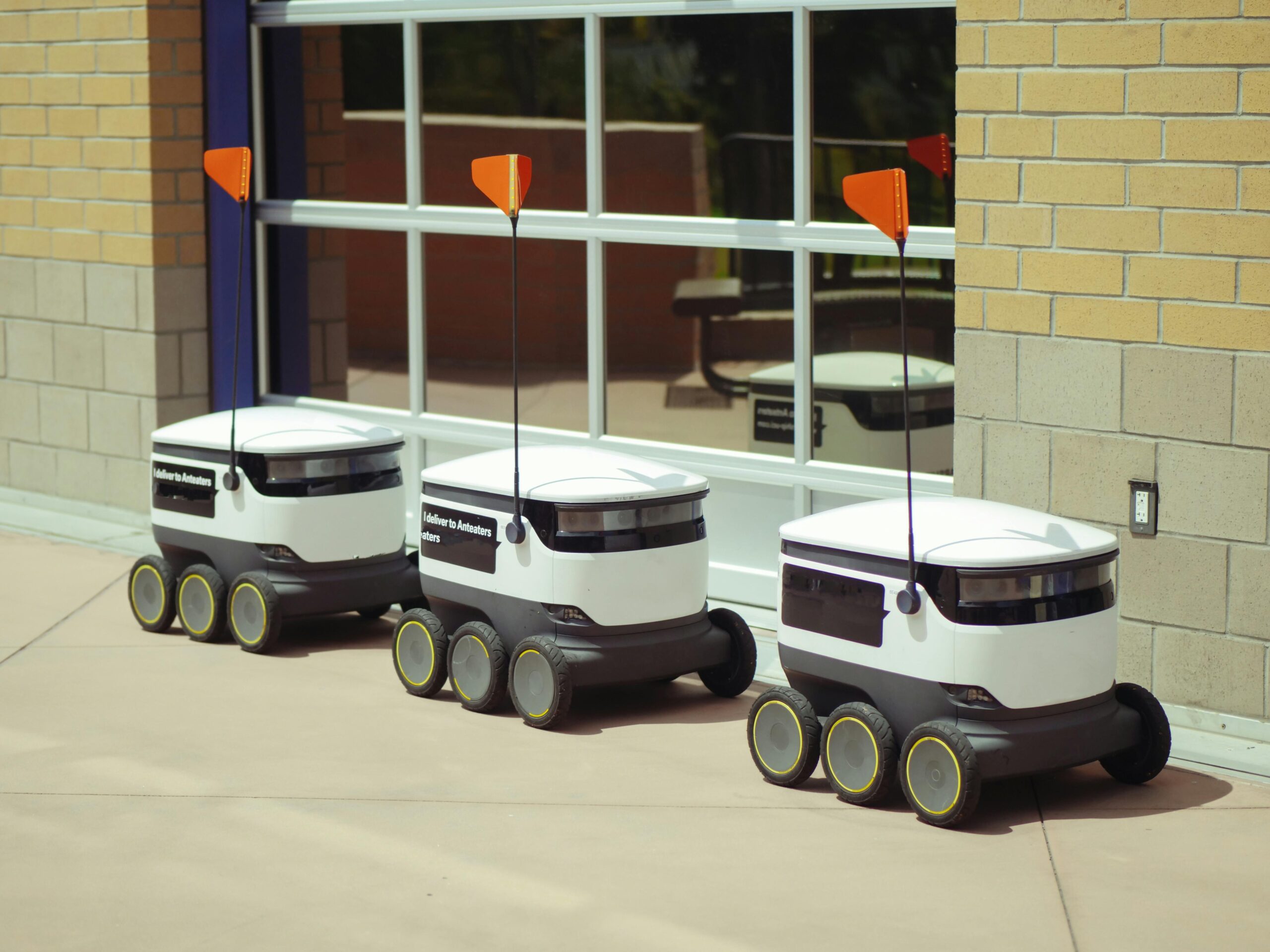
The micro-mobility sector continues innovating at a rapid pace, with several emerging technologies poised to further transform urban transportation. Autonomous positioning for vehicles that can relocate themselves to high-demand areas or charging stations represents one frontier. While fully autonomous micro-mobility vehicles face regulatory and technical challenges, pilot programs are testing feasibility.
Vehicle-to-infrastructure communication could enable micro-mobility devices to interact with traffic signals, warning systems, and other urban infrastructure for enhanced safety and efficiency. Advanced materials science promises lighter, stronger, and more sustainable vehicle construction.
Electrification of Bicycle Fleets
Electric assist technology has revolutionized bike-sharing by making cycling accessible to broader populations regardless of fitness level or terrain challenges. Modern e-bikes feature intuitive pedal-assist systems that amplify rider effort without feeling disconnected from the cycling experience.
Battery technology improvements continue extending range and reducing charging times. Some innovative designs incorporate regenerative braking to recapture energy, and solar panels integrated into vehicle frames provide supplementary charging.
Regulatory Frameworks and Government Partnership 📋
Effective regulation balances innovation encouragement with public interest protection. Cities worldwide are developing sophisticated regulatory frameworks addressing vehicle limits, operating zones, parking requirements, safety standards, data sharing obligations, and equity considerations.
The most successful approaches involve collaboration between government, operators, and community stakeholders. Pilot programs allow controlled testing of new services before broader deployment. Performance-based permitting ties operating rights to meeting specific metrics around safety, equity, and service quality.
Global Perspectives on Micro-Mobility Adoption
Micro-mobility adoption varies significantly across regions, influenced by factors including urban density, existing transportation infrastructure, cultural attitudes toward cycling, climate conditions, and regulatory environments. Asian cities often lead in integration of micro-mobility with comprehensive public transit systems. European cities frequently prioritize cycling infrastructure investment alongside service deployment.
North American adoption has been more variable, with some cities embracing micro-mobility enthusiastically while others proceed cautiously or impose restrictive regulations. Learning from global best practices helps cities avoid pitfalls and accelerate successful implementation.
Community Engagement and Social Impact 🤝
Successful micro-mobility programs require genuine community engagement and consideration of social impacts. Operators and cities increasingly recognize that imposed solutions without community input often face resistance or fail to meet actual needs.
Community advisory boards, public forums, and targeted outreach to underserved neighborhoods help ensure services benefit entire communities rather than primarily serving affluent areas. Employment opportunities in vehicle maintenance, redistribution, and charging provide economic benefits, particularly when hiring practices prioritize local residents.
Riding Toward a Transformed Urban Future
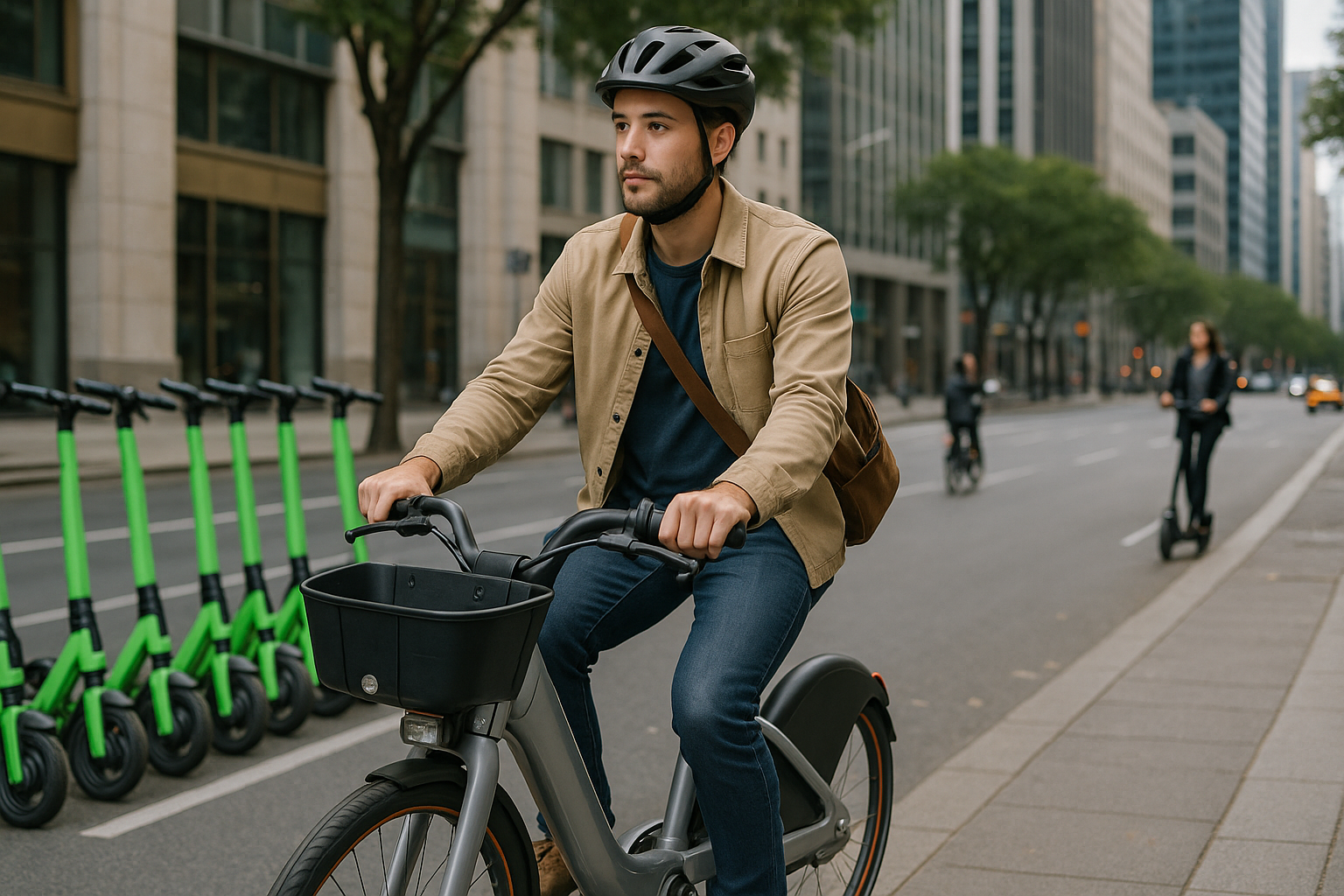
The innovations reshaping bike-sharing and micro-mobility represent far more than technological novelty or business opportunity. They reflect fundamental reimagining of urban spaces prioritizing human-scaled transportation, environmental sustainability, and equitable access to mobility.
Success requires continued innovation across technology, business models, policy frameworks, and infrastructure investment. It demands collaboration among operators, governments, urban planners, and communities. The journey toward transformed urban transportation has momentum, but realizing the full potential requires sustained commitment to solving remaining challenges around safety, sustainability, accessibility, and economic viability.
As cities worldwide embrace these innovations, they’re not just changing how people move—they’re reshaping urban life itself, creating more livable, sustainable, and connected communities. The future of urban transportation is arriving on two wheels, one innovative ride at a time.