Water scarcity affects billions globally, yet innovative rainwater harvesting and water reuse systems are transforming how we conserve this precious resource for future generations.

🌍 The Growing Water Crisis and Our Collective Responsibility
The planet faces an unprecedented water crisis. According to the United Nations, approximately 2.2 billion people lack access to safely managed drinking water services, while climate change continues to exacerbate droughts and irregular precipitation patterns worldwide. Traditional water management approaches are proving insufficient to meet the demands of growing populations and industrial development.
Rainwater harvesting and water reuse projects represent a fundamental shift in how communities approach water security. These sustainable solutions capture precipitation before it becomes runoff, reducing strain on municipal water systems while preventing erosion and flooding. The beauty of these systems lies in their scalability—from individual households to massive urban developments—making water conservation accessible to everyone.
Understanding Rainwater Harvesting: Ancient Wisdom Meets Modern Technology
Rainwater harvesting isn’t a new concept. Civilizations throughout history, from ancient Rome to the Indus Valley, implemented sophisticated water collection systems. Today’s technologies build upon this wisdom with advanced filtration, storage solutions, and distribution networks that maximize efficiency and water quality.
Modern rainwater harvesting systems consist of several key components: catchment surfaces (typically rooftops), conveyance systems (gutters and downspouts), filtration mechanisms, storage tanks, and distribution systems. Each element plays a crucial role in capturing, cleaning, and storing water for various applications.
Primary Benefits of Rainwater Collection Systems
- Reduces dependence on municipal water supplies and groundwater extraction
- Decreases stormwater runoff, preventing flooding and erosion
- Lowers water bills for residential and commercial properties
- Provides emergency water supply during droughts or infrastructure failures
- Reduces energy consumption associated with water treatment and distribution
- Minimizes pollution by filtering contaminants before they reach waterways
- Improves plant health with naturally soft, chemical-free water
💧 Water Reuse: Closing the Loop on Consumption
While rainwater harvesting captures fresh precipitation, water reuse systems focus on treating and repurposing wastewater from various sources. This circular approach to water management treats water not as a disposable resource but as a valuable commodity deserving multiple lifecycles.
Graywater systems collect relatively clean wastewater from sinks, showers, washing machines, and dishwashers—excluding toilet waste. This water, which represents 50-80% of residential wastewater, contains soap residues and organic matter but can be safely treated and reused for irrigation, toilet flushing, and industrial processes.
Blackwater treatment involves more intensive processes but can ultimately produce high-quality reclaimed water suitable for diverse applications. Advanced treatment facilities now generate water meeting or exceeding drinking water standards, though regulations vary regarding its use.
Innovative Water Reuse Applications Worldwide
Singapore’s NEWater program exemplifies large-scale water reclamation success. The nation-state treats wastewater through advanced membrane and ultraviolet technologies, producing ultra-clean water that meets 40% of current water demand. This strategic initiative transformed Singapore from water scarcity vulnerability to partial water independence.
Israel leads globally in agricultural water reuse, recycling approximately 90% of its wastewater for irrigation. This achievement stems from decades of investment in infrastructure and policy development, demonstrating how water-scarce regions can thrive through innovative management.
California’s Title 22 regulations established comprehensive standards for water recycling, catalyzing numerous projects throughout the state. From toilet-to-tap programs in Orange County to agricultural irrigation in the Central Valley, California demonstrates varied reuse applications addressing different community needs.
Designing Effective Rainwater Harvesting Systems
Successful rainwater harvesting begins with understanding local precipitation patterns, water needs, and regulatory requirements. System size depends on catchment area, average rainfall, storage capacity, and intended uses. A properly designed system balances collection capacity with realistic demand.
Catchment surface selection significantly impacts water quality and collection efficiency. Metal roofing provides excellent collection surfaces with minimal contamination, while asphalt shingles may leach chemicals requiring additional filtration. Surface area calculations multiply roof dimensions by efficiency factors accounting for losses from evaporation and splashing.
Storage Solutions for Every Scale
Storage tanks range from simple rain barrels collecting 50-100 gallons to massive underground cisterns holding hundreds of thousands of gallons. Material choices include plastic, fiberglass, concrete, and steel, each offering distinct advantages regarding durability, cost, and installation requirements.
Above-ground tanks offer easier installation and maintenance access but may face aesthetic concerns and freeze-thaw cycle challenges in cold climates. Underground storage protects water from temperature fluctuations and UV degradation while preserving landscape aesthetics, though installation costs run higher.
| Storage Capacity | Typical Applications | Approximate Cost Range |
|---|---|---|
| 50-200 gallons | Garden irrigation, car washing | $100-$600 |
| 500-2,500 gallons | Landscape watering, toilet flushing | $600-$3,500 |
| 5,000-10,000 gallons | Whole-house non-potable use | $3,000-$10,000 |
| 10,000+ gallons | Commercial/agricultural operations | $10,000-$50,000+ |
🏢 Commercial and Industrial Water Sustainability Projects
Businesses worldwide recognize water conservation as both environmental responsibility and economic opportunity. Corporate sustainability initiatives increasingly incorporate comprehensive water management strategies reducing consumption while lowering operating costs.
Manufacturing facilities implement closed-loop cooling systems recycling water continuously rather than single-pass methods. These systems dramatically reduce freshwater intake while decreasing thermal pollution in receiving waters. Chemical processing plants similarly adopt water cascading techniques, where effluent from one process becomes influent for less demanding applications.
Commercial buildings integrate rainwater and graywater systems into LEED certification strategies, earning points while reducing municipal water demand. Office towers in water-stressed regions now routinely incorporate these technologies during construction, recognizing long-term savings justify initial investments.
Agricultural Innovation Through Water Reuse
Agriculture consumes approximately 70% of global freshwater withdrawals, making efficiency improvements critical for sustainability. Drip irrigation systems paired with reclaimed water reduce consumption by 30-50% compared to traditional flood irrigation while maintaining or improving crop yields.
Aquaponics and hydroponics represent revolutionary approaches combining fish farming with plant cultivation in closed-loop systems. These methods use 90% less water than conventional agriculture while producing both protein and vegetables in controlled environments adaptable to urban settings.
⚙️ Technology Driving Water Conservation Forward
Smart water management systems leverage Internet of Things (IoT) sensors, artificial intelligence, and data analytics to optimize collection, treatment, and distribution. Real-time monitoring detects leaks, predicts maintenance needs, and adjusts operations based on weather forecasts and consumption patterns.
Advanced filtration technologies expand water reuse possibilities. Membrane bioreactors combine biological treatment with ultrafiltration, producing high-quality effluent in compact footprints. Reverse osmosis systems remove dissolved salts and contaminants, enabling even brackish water or seawater conversion to potable standards.
Mobile applications now help homeowners calculate rainwater potential, design appropriate systems, and monitor performance. These tools democratize sustainable water management, providing professional-grade guidance to individual users.
🌱 Environmental and Ecological Benefits Beyond Water Savings
Rainwater harvesting and reuse systems deliver environmental benefits extending far beyond water conservation. Reduced stormwater runoff decreases erosion, flooding, and non-point source pollution entering streams, rivers, and coastal waters. Every gallon captured prevents contaminated runoff carrying pesticides, fertilizers, oils, and debris into sensitive ecosystems.
Energy savings represent another significant advantage. Pumping, treating, and distributing municipal water requires substantial electricity. By reducing demand on centralized systems, decentralized harvesting and reuse lower greenhouse gas emissions associated with water infrastructure. Some estimates suggest each thousand gallons of rainwater used saves 4-10 kilowatt-hours of electricity.
Groundwater recharge benefits communities relying on aquifers for water supply. Infiltration basins and permeable surfaces allow captured rainwater to slowly percolate into underground reservoirs, replenishing sources depleted by over-extraction. This natural storage method also filters water through soil layers, improving quality.
Overcoming Implementation Challenges and Barriers
Despite clear benefits, several obstacles hinder widespread adoption of rainwater harvesting and water reuse. Regulatory frameworks vary dramatically between jurisdictions, with some actively encouraging these practices while others impose restrictions or prohibitions. Inconsistent standards create confusion and discourage investment.
Initial costs present barriers for low-income households and communities despite long-term savings. Financial assistance programs, tax incentives, and rebates can bridge affordability gaps, but availability remains inconsistent. Innovative financing mechanisms including green bonds and community investment funds show promise for scaling implementation.
Public perception challenges persist regarding water reuse, particularly for potable applications. The “yuck factor” surrounding reclaimed water requires comprehensive education emphasizing rigorous treatment processes and safety records. Transparent communication about water quality testing and regulatory oversight builds community acceptance.
Policy Frameworks Supporting Water Sustainability
Progressive jurisdictions implement policies encouraging or mandating water conservation technologies. Austin, Texas requires commercial buildings over 10,000 square feet to implement rainwater harvesting or other alternative water sources. Similar mandates exist throughout water-stressed regions globally.
Incentive programs accelerate adoption by offsetting costs. Rebates for cistern installation, reduced permit fees, and stormwater utility credits reward property owners investing in sustainable systems. These economic incentives complement regulatory requirements, creating comprehensive frameworks supporting behavior change.
🏘️ Community-Scale Projects Transforming Neighborhoods
Collaborative approaches multiply individual efforts into neighborhood-scale impacts. Community gardens incorporating shared rainwater collection systems reduce municipal water use while strengthening social connections. These projects demonstrate collective action potential addressing environmental challenges.
Green infrastructure initiatives integrate rainwater management into urban planning. Bioswales, rain gardens, and permeable pavements capture runoff while beautifying streetscapes. Portland, Oregon transformed over 1,700 city blocks with green street facilities that collectively manage millions of gallons annually.
School-based water sustainability projects educate future generations while delivering measurable benefits. Students learn science and environmental stewardship through hands-on involvement with rainwater systems irrigating school gardens and supplying non-potable campus needs. These programs create multiplier effects as students carry knowledge home to families.
Economic Impacts and Return on Investment
Financial analysis consistently demonstrates positive returns for rainwater harvesting and water reuse investments. Payback periods vary from 3-15 years depending on system size, water costs, and available incentives. Properties in areas with expensive municipal water or septic systems see faster returns.
Beyond direct water bill savings, property values increase with sustainable features. Home buyers increasingly prioritize water efficiency, recognizing long-term cost benefits and environmental values. Commercial properties with water conservation systems command premium lease rates and attract environmentally conscious tenants.
Economic development opportunities emerge within the water technology sector. Companies manufacturing tanks, filters, pumps, and monitoring systems create jobs while advancing innovation. Installation and maintenance services provide ongoing employment in communities implementing these systems.
🌟 Success Stories Inspiring Global Action
The Maasai community in Kenya’s Amboseli ecosystem transformed livelihoods through rainwater harvesting. Rock catchments and small dams capture seasonal rains, providing year-round water for livestock and households. This reliable supply reduced human-wildlife conflict over scarce water resources while improving health outcomes.
Melbourne, Australia responded to the Millennium Drought with comprehensive water reuse infrastructure. The city now captures stormwater, treats wastewater to high standards, and implements demand management programs that reduced per capita consumption by over 40% despite population growth.
Bangalore, India faces severe groundwater depletion, yet innovative apartment complexes demonstrate solutions. Buildings incorporate rooftop rainwater harvesting feeding underground recharge wells and storage tanks. These systems provide reliable water supply while reducing aquifer stress in this rapidly growing metropolis.
Looking Forward: The Future of Water Management
Climate change intensifies the urgency for sustainable water management. Precipitation patterns shift toward extremes—longer droughts punctuated by intense storms—challenging traditional infrastructure. Decentralized rainwater harvesting and reuse systems offer resilience through diversified supply portfolios less vulnerable to single-point failures.
Technological advances will continue improving efficiency and affordability. Atmospheric water generators extract moisture from air, providing water sources in extremely arid regions. Nanotechnology filtration membranes promise more effective treatment at lower energy costs. Artificial intelligence optimizes system operations, maximizing collection during rainfall events while predicting maintenance needs.
Cultural shifts toward water consciousness must accompany technological solutions. Education programs, media campaigns, and community engagement foster understanding of water as a finite resource requiring thoughtful stewardship. Children learning sustainable practices today become advocates driving broader societal transformation.
💪 Taking Action: Steps Toward Water Sustainability
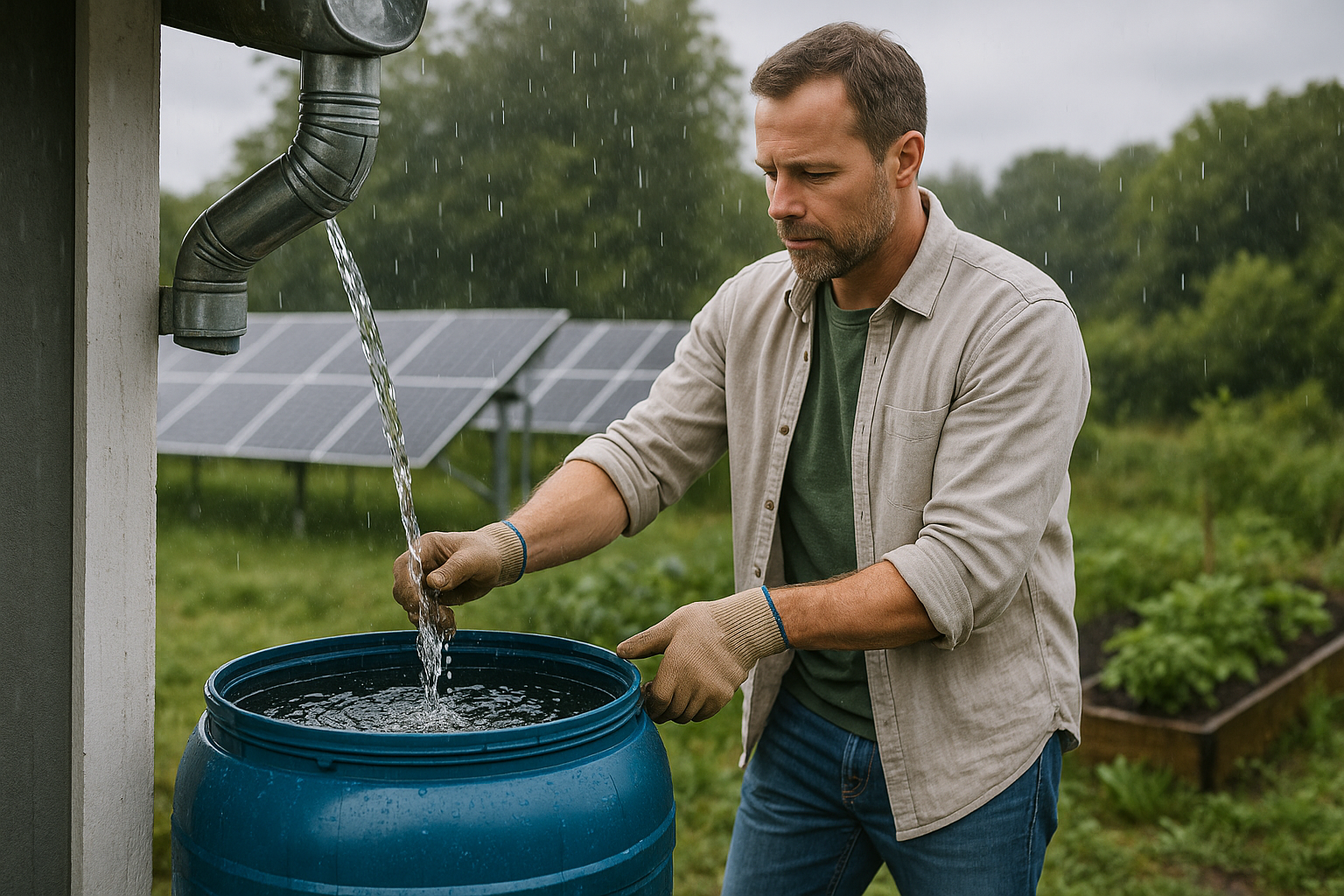
Individual actions collectively create meaningful impact. Homeowners can start small with rain barrels collecting roof runoff for garden irrigation. These simple systems demonstrate principles applicable to larger implementations while delivering immediate benefits and cost savings.
Advocacy amplifies individual efforts into policy change. Contact local representatives supporting water conservation incentives and infrastructure investments. Participate in community planning processes, encouraging green infrastructure integration and development standards requiring sustainable water systems.
Professional networking and knowledge sharing accelerate adoption. Water sustainability conferences, online forums, and professional associations connect practitioners, researchers, and policymakers. These connections facilitate technology transfer and collaborative problem-solving addressing implementation challenges.
The revolution in water sustainability through rainwater harvesting and reuse projects isn’t distant future speculation—it’s happening now, one drop at a time. Every system installed, every gallon conserved, and every community engaged moves humanity toward a more sustainable relationship with this essential resource. The technology exists, the economics make sense, and the environmental imperative grows more urgent daily. What remains is collective commitment to transforming how we value, manage, and conserve water for generations to come. The future of planetary health depends on actions taken today, and water sustainability stands at the forefront of solutions preserving livable conditions for all Earth’s inhabitants.