The urgent need to address climate change has sparked innovative urban planning solutions that prioritize environmental sustainability, community well-being, and carbon neutrality in our cities.

As the world grapples with unprecedented environmental challenges, the concept of eco-districts and carbon-neutral neighborhoods has emerged as a beacon of hope for sustainable urban development. These pioneering communities represent a fundamental shift in how we design, build, and live in urban spaces, combining cutting-edge technology, ecological principles, and community engagement to create thriving neighborhoods that actively contribute to environmental restoration rather than degradation.
The transformation of our cities into sustainable havens isn’t just an idealistic dream—it’s becoming a practical reality in various locations worldwide. From Scandinavia to Asia, and from North America to South America, forward-thinking municipalities are reimagining urban spaces as living laboratories for sustainable innovation, demonstrating that environmental responsibility and quality of life can coexist harmoniously.
🌱 Understanding Eco-Districts: The Foundation of Sustainable Communities
Eco-districts represent comprehensive approaches to neighborhood-scale sustainability, integrating multiple systems and stakeholders to achieve ambitious environmental, economic, and social goals. Unlike traditional green building projects that focus on individual structures, eco-districts take a holistic view of entire neighborhoods, considering the interconnections between buildings, infrastructure, transportation, energy systems, and community activities.
These innovative urban zones are characterized by their commitment to resource efficiency, renewable energy utilization, waste reduction, green infrastructure, and enhanced quality of life for residents. They function as integrated ecosystems where every component—from building design to transportation networks—is optimized for minimal environmental impact and maximum community benefit.
The concept extends beyond physical infrastructure to encompass governance structures, community engagement processes, and performance measurement systems that ensure continuous improvement. Successful eco-districts establish clear sustainability targets, implement robust monitoring systems, and adapt strategies based on real-world performance data.
The Carbon-Neutral Neighborhood Blueprint 🏘️
Carbon-neutral neighborhoods represent the gold standard in sustainable urban development, achieving a net-zero carbon footprint through a combination of emission reductions and carbon offset strategies. These communities demonstrate that it’s possible to provide comfortable, modern living while eliminating contributions to climate change.
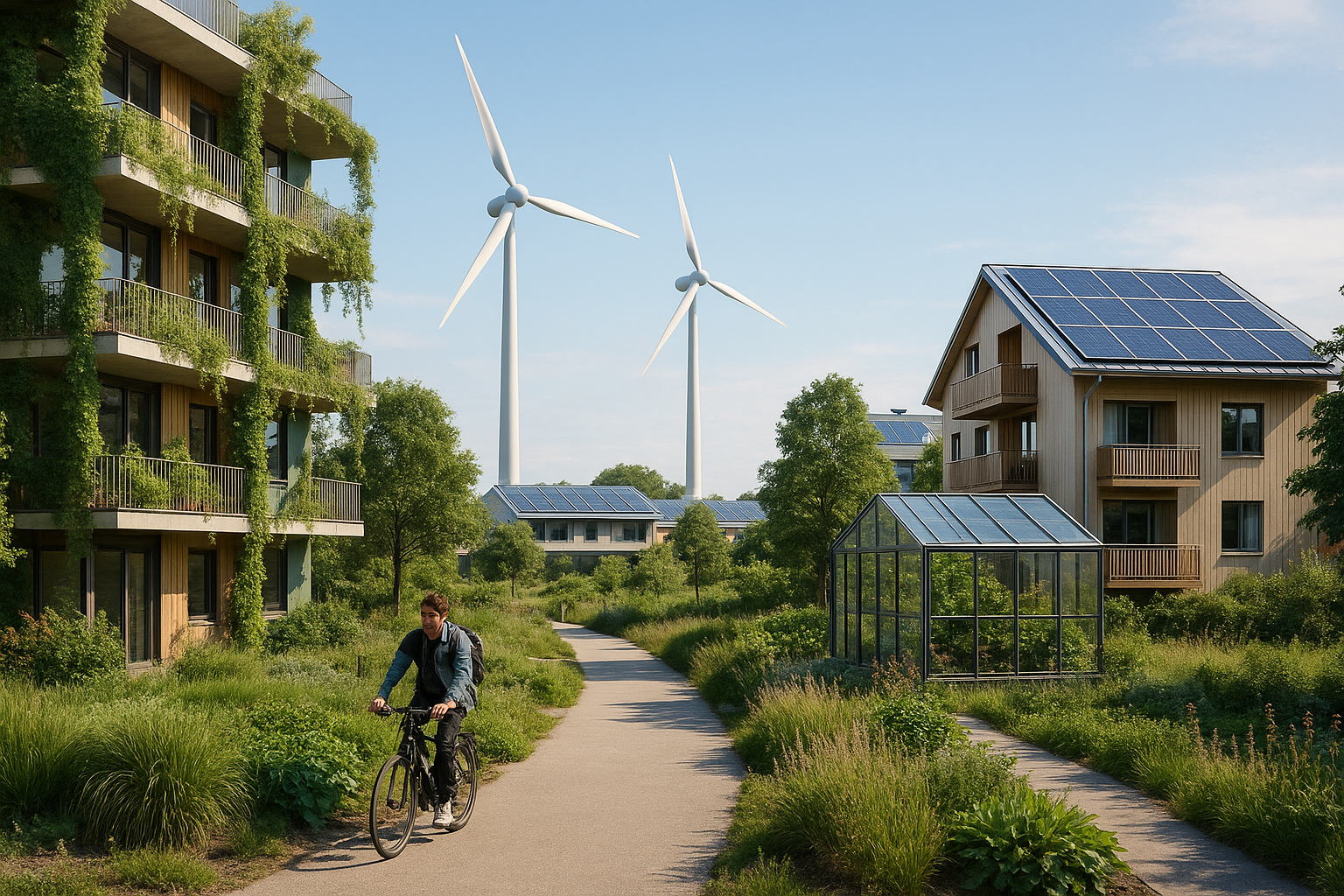
The pathway to carbon neutrality involves multiple complementary strategies. Energy-efficient building design minimizes heating and cooling demands through superior insulation, passive solar design, and high-performance windows. Renewable energy systems, including solar panels, wind turbines, and geothermal systems, generate clean electricity and heating on-site or through community-scale facilities.
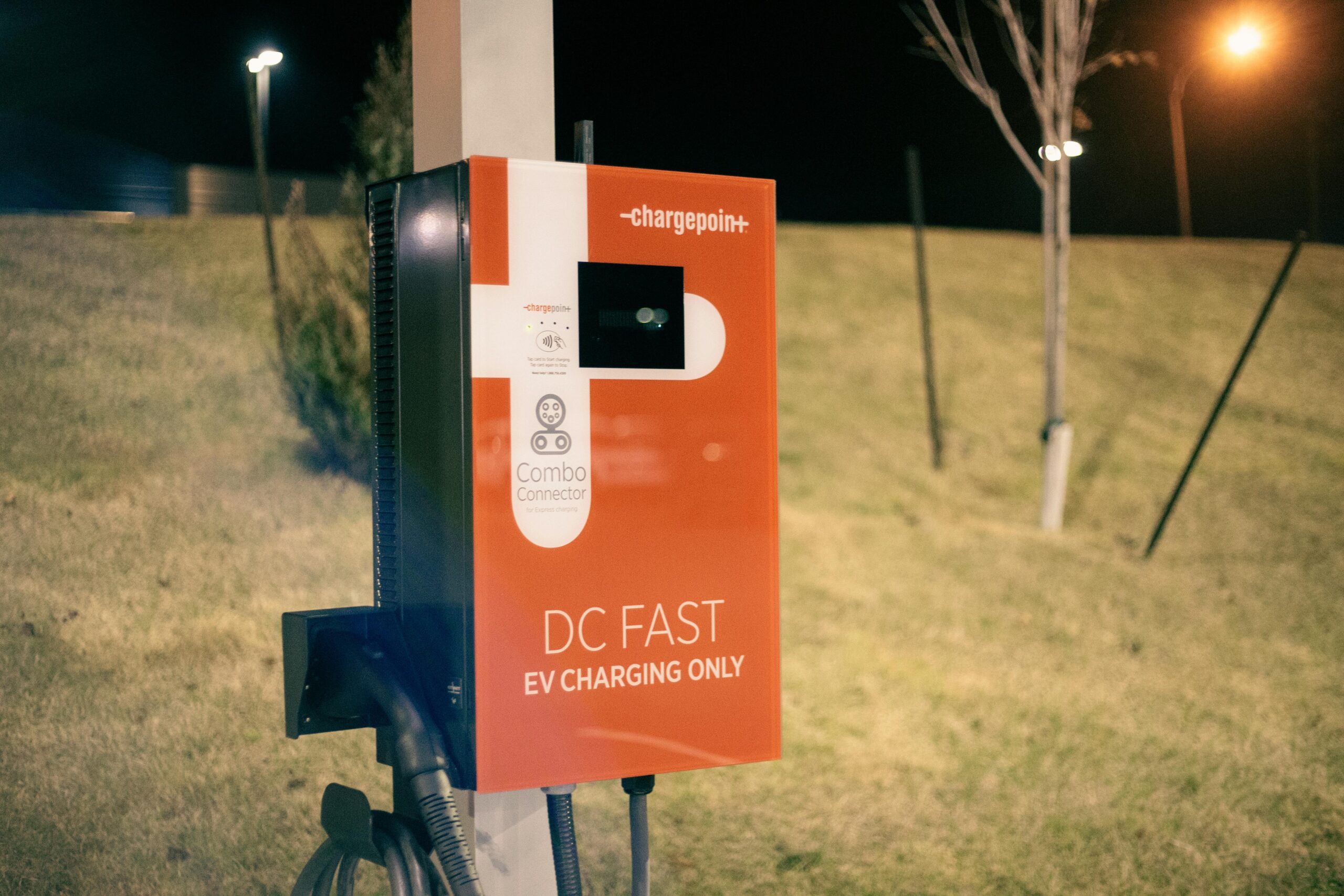
Transportation represents another critical component of carbon-neutral neighborhoods. These communities prioritize walking, cycling, and public transit through thoughtful urban design, reducing or eliminating the need for private automobile ownership. Electric vehicle charging infrastructure supports residents who do require personal vehicles, ensuring these also operate on clean energy.
Energy Systems That Power Green Communities
Modern eco-districts leverage advanced energy systems that dramatically outperform conventional approaches. District heating and cooling networks distribute thermal energy efficiently across multiple buildings, reducing overall energy consumption by sharing resources and optimizing production. Combined heat and power (CHP) systems capture waste heat from electricity generation, achieving efficiency rates exceeding 80% compared to traditional separate systems.
Smart grid technologies enable real-time energy management, balancing supply and demand dynamically to maximize renewable energy utilization and minimize waste. Battery storage systems store excess solar and wind energy for use during periods of low generation, smoothing out the intermittency challenges associated with renewable sources.
Building-integrated photovoltaics transform structures themselves into power plants, with solar panels incorporated into roofs, facades, and even windows. As solar technology costs continue declining and efficiency improves, this distributed generation model becomes increasingly viable and economically attractive.
🚴 Mobility Revolution: Reimagining Transportation
Transportation typically accounts for a significant portion of urban carbon emissions, making it a critical focus area for eco-districts. Carbon-neutral neighborhoods fundamentally rethink mobility, creating environments where sustainable transportation isn’t just possible—it’s the most convenient and attractive option.
Complete streets design prioritizes pedestrians and cyclists, with wide sidewalks, protected bike lanes, and traffic-calmed zones creating safe, pleasant environments for active transportation. Strategic placement of amenities ensures that daily necessities are accessible within short walking or cycling distances, embracing the “15-minute city” concept where most needs can be met locally.
Public transportation integration provides seamless connections to broader urban networks, with frequent service, comfortable facilities, and multimodal hubs that facilitate easy transfers between different transport modes. Shared mobility services, including bike-sharing, car-sharing, and ride-sharing platforms, provide flexible options for occasional travel needs without requiring private vehicle ownership.
Green Infrastructure and Urban Nature
Eco-districts recognize that urban nature provides essential ecosystem services while enhancing livability and well-being. Green infrastructure strategies integrate natural systems throughout neighborhoods, delivering multiple benefits simultaneously.
Bioswales, rain gardens, and permeable pavements manage stormwater naturally, reducing flooding risks while filtering pollutants and recharging groundwater. Green roofs and walls provide insulation, manage stormwater, reduce urban heat island effects, support biodiversity, and create attractive amenities for residents.
Urban forests and parks offer cooling, air quality improvement, carbon sequestration, and recreational opportunities. Strategic tree planting can reduce building energy consumption by providing shade in summer and windbreaks in winter, while creating habitats for urban wildlife and enhancing neighborhood aesthetics.
💧 Water Management: Closing the Loop
Sustainable water management represents another cornerstone of eco-district design. Traditional urban water systems treat this precious resource as something to be used once and discarded, but carbon-neutral neighborhoods adopt circular approaches that conserve, reuse, and recycle water at every opportunity.
Low-flow fixtures and water-efficient appliances reduce consumption without compromising functionality. Rainwater harvesting systems capture precipitation for non-potable uses like irrigation, toilet flushing, and washing. Greywater recycling treats water from sinks, showers, and laundry for reuse in landscaping or toilet flushing.
Advanced communities implement decentralized water treatment systems that process wastewater locally, recovering nutrients and energy in the process. These systems can transform waste into resources, producing biogas for energy generation and nutrient-rich water for agriculture or landscape irrigation.
🏗️ Building Materials and Circular Economy Principles
The construction industry represents a major source of carbon emissions and resource consumption, making building material choices critical for carbon-neutral neighborhoods. Eco-districts embrace circular economy principles, minimizing waste and maximizing resource efficiency throughout the building lifecycle.
Low-carbon building materials like timber, bamboo, and recycled content products reduce embodied carbon compared to conventional materials like concrete and steel. Modular construction techniques minimize waste while enabling easier disassembly and material recovery at end-of-life. Design for adaptability ensures buildings can be reconfigured for changing needs rather than demolished and rebuilt.
Material passports document building components and materials, facilitating future reuse and recycling. Construction waste management programs divert materials from landfills, with deconstruction rather than demolition becoming standard practice for building removal.
Community Engagement: The Social Dimension of Sustainability
Technical innovations alone cannot create truly sustainable neighborhoods—community engagement and social cohesion prove equally essential. Successful eco-districts cultivate strong communities where residents actively participate in sustainability initiatives and contribute to neighborhood vitality.
Participatory planning processes ensure community voices shape development decisions, building ownership and commitment to sustainability goals. Shared facilities like community gardens, workshops, kitchens, and meeting spaces foster social connections while efficiently utilizing resources.
Education programs help residents understand and engage with neighborhood sustainability systems, from energy monitoring to waste sorting. Community organizations coordinate activities ranging from tool libraries to skill-sharing workshops, strengthening social networks while reducing consumption.
📊 Measuring Success: Performance Metrics for Eco-Districts
Effective performance measurement enables eco-districts to track progress, identify improvement opportunities, and demonstrate results to stakeholders. Comprehensive monitoring systems collect data across multiple sustainability dimensions:
- Energy performance: Total consumption, renewable generation, carbon emissions, and efficiency improvements over time
- Water management: Consumption rates, stormwater capture, recycling volumes, and water quality indicators
- Transportation: Mode share, vehicle miles traveled, active transportation rates, and transportation emissions
- Waste reduction: Waste generation, diversion rates, recycling and composting volumes, and circular economy metrics
- Biodiversity: Species counts, habitat area, ecological connectivity, and ecosystem health indicators
- Social outcomes: Community engagement levels, resident satisfaction, social cohesion measures, and health indicators
- Economic vitality: Local employment, business activity, property values, and affordability metrics
Digital platforms and sensor networks enable real-time monitoring and visualization, making sustainability performance transparent and engaging for residents. Benchmark comparisons with conventional neighborhoods demonstrate the tangible benefits of eco-district approaches.
🌍 Global Pioneers: Inspiring Examples from Around the World
Numerous communities worldwide are demonstrating the viability of eco-districts and carbon-neutral neighborhoods, providing valuable lessons and inspiration for future developments.
Vauban in Freiburg, Germany, transformed a former military base into a car-reduced neighborhood powered primarily by solar energy. With extensive green spaces, excellent public transit connections, and strong community governance, Vauban demonstrates how sustainable design enhances quality of life.
BedZED (Beddington Zero Energy Development) in London pioneered zero-carbon living in the early 2000s, incorporating passive solar design, combined heat and power, and extensive recycling. Though facing some technical challenges, it validated many principles now standard in sustainable development.
Hammarby Sjöstad in Stockholm integrated water management, waste handling, and energy systems into a comprehensive closed-loop approach. The district’s infrastructure treats waste and wastewater as resources, recovering energy and nutrients while dramatically reducing environmental impacts.
Masdar City in Abu Dhabi represents an ambitious attempt to create a carbon-neutral city from scratch in a challenging desert climate. While the project has evolved from its original vision, it continues pioneering innovations in renewable energy, transportation, and sustainable building design adapted to extreme heat.
Overcoming Challenges on the Path to Sustainability 🚧
Despite growing success stories, developing eco-districts and carbon-neutral neighborhoods faces significant challenges that require creative solutions and persistent commitment.
Higher upfront costs for sustainable technologies and design features can deter developers and buyers, though lifecycle cost analysis typically demonstrates long-term savings. Policy mechanisms like green building incentives, carbon pricing, and favorable financing can help overcome initial cost barriers.
Regulatory frameworks designed for conventional development may not accommodate innovative approaches, requiring codes and standards to evolve. Progressive municipalities are updating regulations to facilitate rather than hinder sustainable development.
Behavioral change proves challenging, as residents accustomed to conventional lifestyles must adapt to new systems and practices. Comprehensive education, user-friendly design, and community support networks ease these transitions.
Coordination complexity increases with integrated systems and multiple stakeholders, demanding new collaboration models and governance structures. Early engagement of all parties and clear communication protocols help manage this complexity.
The Economic Case for Carbon-Neutral Neighborhoods 💰
Beyond environmental benefits, eco-districts deliver compelling economic advantages that strengthen the business case for sustainable development.
Reduced operating costs from energy efficiency, renewable generation, and resource conservation provide immediate benefits to residents and building owners. Property values in well-designed sustainable neighborhoods often command premiums, reflecting desirability and lower operating costs.
Job creation spans construction, manufacturing, installation, maintenance, and operation of sustainable systems. The growing green building sector provides employment opportunities while developing expertise for future projects.
Health cost savings result from improved air quality, access to nature, active transportation, and stronger social connections. Studies consistently demonstrate that sustainable neighborhood design correlates with better physical and mental health outcomes.
Resilience benefits protect communities from energy price volatility, climate impacts, and resource scarcity. Distributed generation, water independence, and local food production reduce vulnerability to external disruptions.
🔮 Future Horizons: The Next Generation of Sustainable Communities
As technology advances and experience grows, the next generation of eco-districts will push boundaries further, achieving even more ambitious sustainability goals while enhancing livability.
Artificial intelligence and machine learning will optimize building and district systems dynamically, learning from patterns and adapting to changing conditions automatically. Predictive analytics will anticipate needs and problems before they occur, enabling proactive rather than reactive management.
Advanced materials including carbon-sequestering concrete, phase-change thermal storage, and bio-based composites will reduce embodied emissions while improving performance. Innovations in energy storage, hydrogen systems, and other technologies will solve current technical limitations.
Integration with regional systems will enable eco-districts to share resources, balance loads, and participate in broader sustainability initiatives. Virtual power plants aggregate distributed generation and storage, providing grid services while maximizing renewable energy utilization.
Nature-based solutions will play expanding roles as understanding of ecosystem services deepens and climate adaptation needs grow. Living buildings that function as organisms, regenerating resources and supporting biodiversity, represent emerging frontiers in sustainable design.
Taking Action: Building Your Sustainable Future Today 🌟
Whether you’re a policymaker, developer, designer, or resident, opportunities exist to contribute to the sustainable neighborhood movement and accelerate the transition to carbon neutrality.
Municipalities can establish sustainability targets, update regulations, provide incentives, and lead by example with public projects. Developers can embrace sustainable practices, educate buyers about benefits, and differentiate offerings through environmental performance.
Design professionals can deepen sustainability expertise, advocate for integrated approaches, and push innovation boundaries. Residents can choose sustainable neighborhoods, participate actively in community initiatives, and advocate for broader adoption of proven practices.
The transition to eco-districts and carbon-neutral neighborhoods isn’t a distant aspiration—it’s happening now, with proven approaches available for widespread implementation. Each project contributes valuable experience, demonstrates feasibility, and inspires additional efforts, creating momentum toward truly sustainable urban futures.
By embracing comprehensive sustainability at the neighborhood scale, we can transform cities into restorative environments that enhance rather than degrade our planet. The question isn’t whether we can build sustainable communities—countless examples prove we can—but whether we’ll mobilize the collective will to do so at the pace and scale required by our environmental challenges. The path forward is clear, the tools are available, and the benefits are compelling. The time to build our sustainable future is now.