Urban areas are experiencing unprecedented heat challenges, with concrete jungles trapping warmth and creating uncomfortable, even dangerous living conditions for millions worldwide. 🌡️

The urban heat island effect has become one of the most pressing environmental concerns of our time. As cities expand and populations grow, the temperature difference between urban and rural areas continues to widen, sometimes reaching alarming levels of 10-15 degrees Fahrenheit. This phenomenon not only affects comfort but also impacts public health, energy consumption, and overall quality of life for city dwellers.
Understanding how to combat this rising heat is no longer optional—it’s essential for creating sustainable, livable cities. From innovative architectural solutions to community-driven initiatives, there are numerous strategies that urban planners, policymakers, and residents can implement to reduce temperatures and improve urban environments. Let’s explore the most effective approaches to cooling down our cities and creating healthier spaces for everyone.
Understanding the Urban Heat Island Effect 🏙️
Before diving into solutions, it’s crucial to understand what causes urban areas to become significantly hotter than their surrounding regions. The urban heat island effect occurs when natural land cover is replaced with dense concentrations of pavement, buildings, and other surfaces that absorb and retain heat.
During the day, these materials soak up solar radiation. At night, instead of cooling down quickly like natural landscapes, they release stored heat slowly, keeping temperatures elevated well after sunset. This creates a continuous cycle of heat accumulation that intensifies over time.
Several factors contribute to this phenomenon. Dark surfaces like asphalt and dark roofing materials absorb more heat than lighter-colored surfaces. The lack of vegetation means reduced evapotranspiration—a natural cooling process where plants release water vapor. Additionally, waste heat from vehicles, air conditioning systems, and industrial processes adds extra thermal energy to the urban environment.
The Green Revolution: Expanding Urban Vegetation 🌳
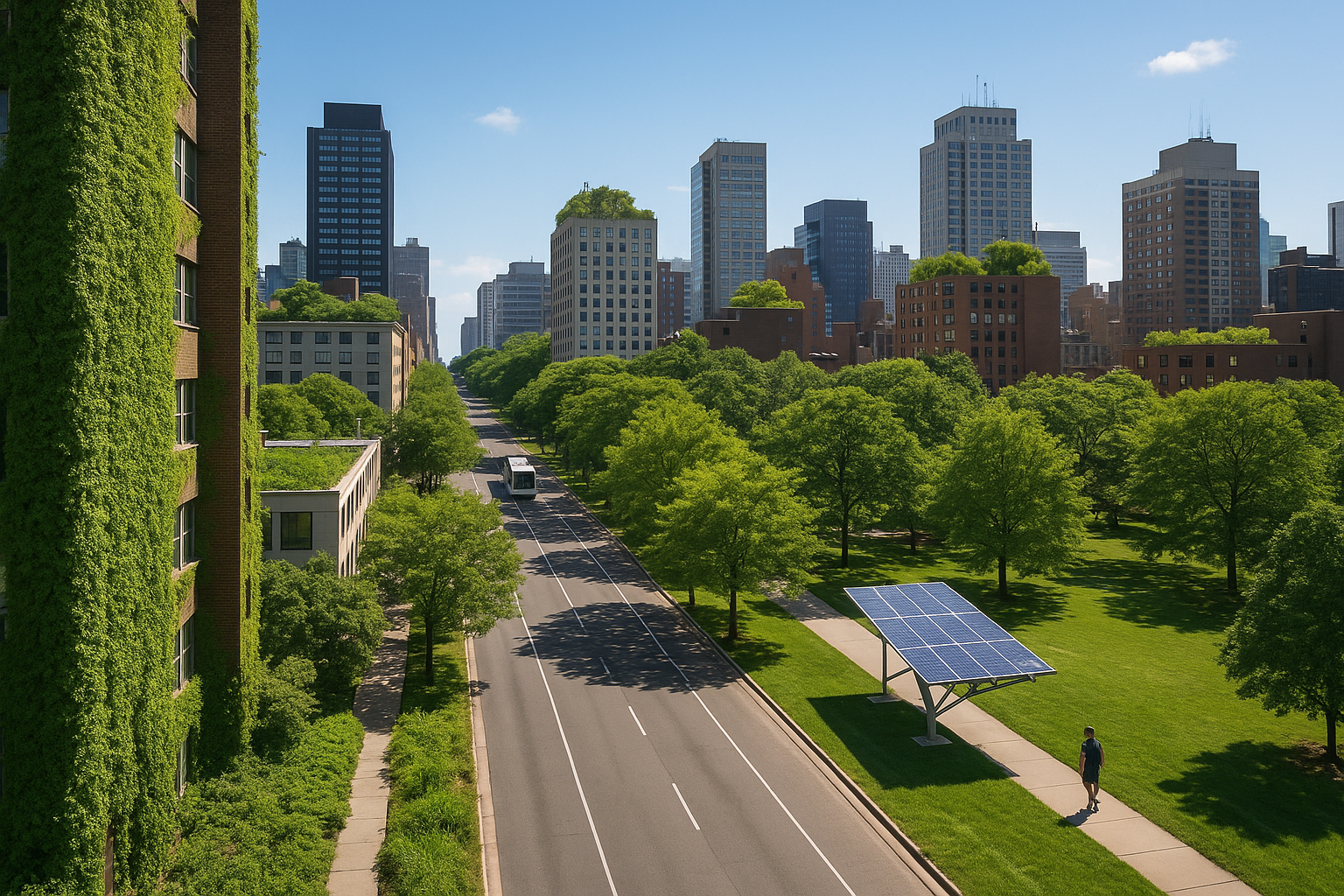
One of the most effective and aesthetically pleasing solutions to urban heat is increasing vegetation throughout cities. Trees, parks, and green spaces provide multiple cooling benefits that work together to reduce temperatures significantly.
Trees offer direct shade, blocking solar radiation from reaching and heating surfaces below. A single mature tree can have the cooling effect equivalent to ten room-sized air conditioners operating for twenty hours. Beyond shade, trees cool through evapotranspiration, releasing water vapor that absorbs heat energy from the surrounding air.
Strategic Tree Planting Programs
Cities worldwide are implementing ambitious tree planting initiatives. However, success requires more than simply planting trees—it demands strategic planning. Trees should be planted where they’ll provide maximum benefit: along sidewalks, in parking lots, near bus stops, and around buildings where shade is most needed.
Selecting appropriate species is equally important. Native trees adapted to local climates require less maintenance and water while providing better ecosystem benefits. In hotter regions, drought-resistant species that still offer substantial canopy coverage are ideal choices.
Urban Forests and Park Systems
Larger green spaces create cooling zones that affect surrounding areas. Parks act as “cool islands” within the urban heat island, with benefits extending several blocks beyond their boundaries. Cities should prioritize creating connected green corridors that allow cool air to flow through neighborhoods.
Community gardens and pocket parks on vacant lots transform underutilized spaces into productive cooling assets. These smaller green spaces distributed throughout neighborhoods ensure that cooling benefits reach more residents, particularly in dense urban areas where large parks aren’t feasible.
Cool Roofs and Reflective Surfaces ☀️
When vegetation isn’t possible or sufficient, changing surface properties offers powerful heat reduction benefits. Cool roofs and reflective surfaces represent one of the most cost-effective strategies for lowering urban temperatures.
Traditional dark roofs can reach temperatures exceeding 150 degrees Fahrenheit on hot summer days. Cool roofs, which use reflective materials or light-colored coatings, can stay 50-60 degrees cooler. This dramatic temperature reduction doesn’t just cool the building below—it reduces the heat radiating into the surrounding environment.
Types of Cool Roofing Solutions
Several cool roofing options exist for different building types and budgets. White or light-colored single-ply membranes work well for flat commercial roofs. Reflective tiles or metal roofing suit residential applications. Even applying reflective coatings to existing dark roofs provides substantial benefits at minimal cost.
Green roofs—rooftops covered with vegetation—combine the benefits of reflective surfaces with evaporative cooling and insulation. While more expensive to install and maintain, green roofs provide additional benefits including stormwater management, improved air quality, and habitat creation.
Cool Pavements for Streets and Walkways
Roads and parking lots comprise approximately 40% of urban surfaces in many cities. Traditional asphalt absorbs heat intensively, contributing significantly to the heat island effect. Cool pavement technologies offer alternatives that reflect more sunlight and retain less heat.
Reflective coatings can be applied to existing pavement, similar to roof coatings. Permeable pavements allow water infiltration, which provides evaporative cooling. Some innovative materials incorporate photocatalytic properties that break down air pollutants while staying cooler than traditional options.
Smart Urban Design and Planning 🏗️
Long-term solutions to urban heat require rethinking how we design and build cities. Urban planning decisions made today will affect temperatures for decades to come.
Building orientation and street layout significantly impact heat accumulation. Streets running east-west receive less direct sunlight than north-south streets in many locations. Creating wind corridors that allow breezes to flow through cities helps dissipate heat naturally.
Density and Building Configuration
While high-density development offers sustainability benefits by reducing sprawl, building configuration matters greatly for temperature management. Tall buildings create shade but can also block cooling breezes. Strategic placement that maximizes shade while maintaining airflow creates more comfortable microclimates.
Building materials and colors also deserve attention in planning codes. Encouraging or requiring light-colored exterior materials in new construction helps reduce heat absorption. Incorporating shading elements like awnings, pergolas, and strategically placed architectural features blocks direct sun while maintaining aesthetics.
Mixed-Use Development Benefits
Mixed-use neighborhoods that integrate residential, commercial, and recreational spaces reduce heat-generating vehicle trips. When people can walk or bike to daily destinations, cities experience less waste heat from transportation while gaining opportunities for shade trees and green spaces along pedestrian routes.
Water Features for Cooling Effects 💧
Water provides natural cooling through evaporation, making water features valuable assets in urban heat mitigation strategies. Fountains, reflecting pools, and urban water bodies create localized cooling zones while adding beauty and recreational value.
Cities with rivers, lakes, or coastal access should preserve and enhance public access to these natural cooling resources. Waterfront parks and promenades allow residents to seek relief on hot days. Even small water features like fountains in plazas or building courtyards create noticeable cooling effects in their immediate vicinity.
Sustainable Water Management
In water-scarce regions, cooling strategies must balance evaporative benefits with conservation needs. Recirculating fountains minimize water consumption while maintaining cooling effects. Bioswales and rain gardens capture stormwater for irrigation, supporting vegetation that provides cooling through transpiration.
Urban stream restoration projects that daylight buried waterways reconnect cities with natural cooling systems while providing ecosystem benefits. These projects transform neglected spaces into valuable cooling assets and community amenities.
Energy-Efficient Buildings and Reduced Waste Heat 🔌
A significant but often overlooked contributor to urban heat is waste heat from buildings and infrastructure. Air conditioning systems, while keeping building interiors comfortable, pump heat outdoors, adding to ambient temperatures.
Improving building energy efficiency reduces both electricity consumption and waste heat generation. Better insulation keeps heat out during summer, reducing cooling demands. Energy-efficient windows block solar heat gain while allowing natural light. Proper building envelope design minimizes the need for mechanical cooling in the first place.
District Cooling Systems
Rather than individual buildings each running separate cooling systems, district cooling uses centralized facilities to serve multiple buildings efficiently. These systems can be significantly more efficient than individual units and reduce waste heat dispersed throughout neighborhoods.
Some advanced systems recover waste heat for beneficial uses like water heating, further improving overall efficiency. While requiring substantial infrastructure investment, district cooling offers long-term benefits in dense urban areas.
Community Engagement and Behavioral Changes 👥
Technical solutions alone cannot solve urban heat challenges. Community awareness and participation are essential for implementing and maintaining cooling strategies effectively.
Education programs help residents understand the heat island effect and their role in addressing it. Simple actions like planting trees on private property, choosing light-colored materials for homes, and reducing unnecessary energy consumption collectively make substantial impacts.
Cooling Centers and Heat Emergency Response
While working to reduce overall urban temperatures, cities must also protect vulnerable populations during extreme heat events. Designated cooling centers provide air-conditioned refuge during heat waves. Libraries, community centers, and shopping areas can serve this function with proper coordination.
Heat emergency response plans identify at-risk individuals and ensure they receive notifications and assistance during dangerous conditions. Community networks, where neighbors check on elderly or isolated residents, save lives during extreme heat events.
Technology and Innovation in Heat Mitigation 📱
Emerging technologies offer new tools for monitoring, analyzing, and addressing urban heat. Thermal mapping using satellite imagery and ground sensors identifies heat hotspots requiring priority attention. This data-driven approach ensures limited resources target areas with greatest need and impact potential.
Smart city technologies optimize various systems to reduce heat. Adaptive traffic management reduces congestion and associated vehicle emissions. Intelligent lighting systems minimize waste heat from street lighting. Building management systems optimize energy use based on actual occupancy and conditions.
Mobile applications help residents find cooling resources during heat waves, locate nearest shaded walking routes, and access real-time temperature information for different neighborhoods. These tools empower individuals to make informed decisions about outdoor activities during hot conditions.
Policy and Governance Frameworks 📋
Effective urban cooling requires supportive policies and governance structures. Heat mitigation strategies should be integrated into comprehensive urban planning, not treated as isolated initiatives.
Building codes can require cool roofs, minimum tree canopy coverage, or reflective paving for new developments. Zoning regulations might mandate green space percentages or limit surface parking in favor of structured parking with vegetation.
Incentive Programs
Financial incentives encourage private property owners to adopt cooling measures. Rebates for cool roof installations, tax credits for tree planting, or reduced fees for green infrastructure make participation more attractive. These programs leverage private investment to achieve public cooling benefits.
Recognition programs highlighting exemplary projects or businesses that implement significant cooling measures create positive competition and awareness. Award programs showcase success stories that inspire others to take action.
Measuring Success and Continuous Improvement 📊
Implementing cooling strategies requires monitoring to assess effectiveness and guide future efforts. Temperature monitoring networks track changes over time, demonstrating which interventions produce greatest benefits.
Beyond temperature data, cities should monitor related indicators like heat-related illness rates, cooling energy consumption, and resident satisfaction with thermal comfort. These metrics provide comprehensive understanding of how interventions affect actual outcomes.
Regular assessments allow adaptive management—adjusting strategies based on results and changing conditions. Climate change means yesterday’s solutions may need modification for tomorrow’s challenges. Flexible, responsive approaches serve cities better than rigid, unchanging programs.
Creating Cooler, Healthier Cities for Everyone 🌆
The urban heat island effect presents serious challenges, but solutions exist and are being successfully implemented worldwide. No single strategy solves the problem—effective heat mitigation requires comprehensive approaches combining vegetation, reflective surfaces, smart design, efficient energy systems, and engaged communities.
The benefits extend far beyond temperature reduction. Cooling strategies often provide co-benefits including improved air quality, reduced energy costs, enhanced biodiversity, better stormwater management, and more livable public spaces. These synergies make investments in urban cooling particularly valuable.
Cities that act now to implement heat mitigation strategies position themselves for more sustainable, resilient futures. As climate change intensifies and urban populations grow, the importance of cool, comfortable cities will only increase. The time to beat the heat is now—through thoughtful planning, innovative solutions, and collective action, we can create urban environments where everyone thrives, even as temperatures rise.
Every city faces unique challenges based on climate, geography, existing infrastructure, and resources. However, the fundamental principles of increasing vegetation, improving surface reflectivity, designing smarter buildings and streets, and engaging communities apply universally. By adapting proven strategies to local conditions and remaining committed to continuous improvement, cities worldwide can successfully combat the urban heat island effect and build cooler, healthier futures for all residents. 🌍