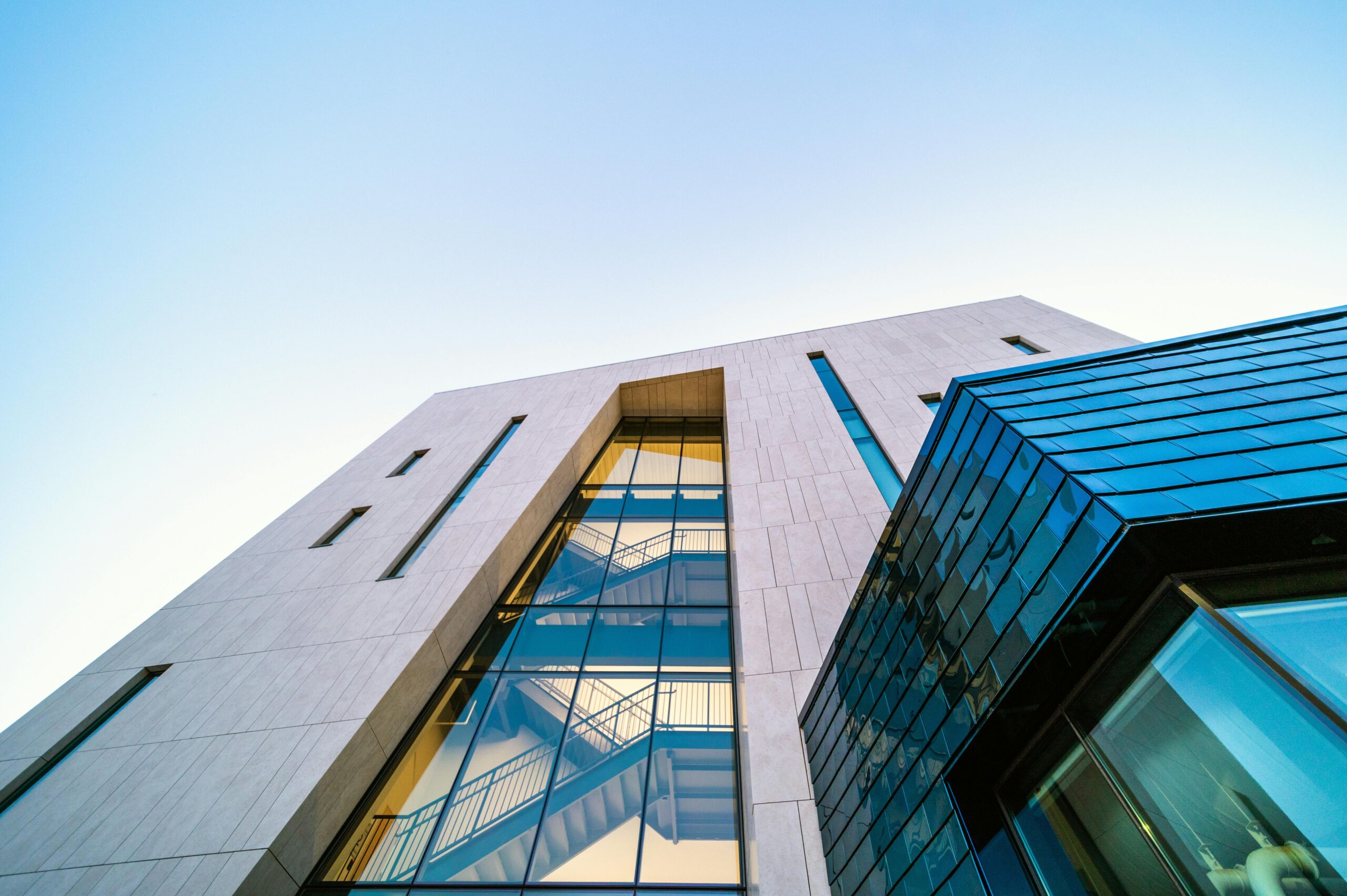
The construction industry stands at a pivotal crossroads where environmental responsibility meets innovation, demanding a fundamental shift toward sustainable building practices that minimize ecological footprints.

🌱 The Urgent Need for Construction Revolution
Traditional construction methods have long dominated the industry, but their environmental toll has become increasingly unsustainable. The built environment accounts for nearly 40% of global carbon emissions, with conventional materials like concrete and steel contributing significantly to this burden. As climate change accelerates and natural resources dwindle, the construction sector faces mounting pressure to reimagine how we build our homes, offices, and infrastructure.
Low-impact construction represents more than just an environmental trend—it’s a necessary evolution. This approach encompasses materials, methods, and mindsets that prioritize ecological balance without compromising structural integrity or aesthetic appeal. From bamboo skyscrapers to hempcrete homes, innovative builders worldwide are proving that sustainable construction isn’t just possible—it’s superior in many respects.
The shift toward lighter, more sustainable materials offers multiple benefits beyond environmental protection. These materials often provide better insulation, require less energy to produce and transport, and can significantly reduce construction timelines and costs. Moreover, they frequently offer improved indoor air quality and create healthier living environments for occupants.
🏗️ Revolutionary Low-Impact Materials Transforming the Industry
Cross-Laminated Timber: Nature’s Steel Alternative
Cross-laminated timber (CLT) has emerged as one of the most promising alternatives to traditional construction materials. This engineered wood product consists of layers of lumber boards stacked crosswise and glued together, creating panels that rival concrete and steel in strength while weighing significantly less. CLT sequesters carbon throughout the building’s lifetime, effectively turning structures into carbon storage units rather than emission sources.
Buildings constructed with CLT can be erected in a fraction of the time required for conventional structures. The prefabricated panels arrive on-site ready for assembly, reducing construction waste by up to 15% compared to traditional methods. Additionally, CLT’s excellent thermal properties contribute to energy-efficient buildings that require less heating and cooling.
Hempcrete: The Ancient Material with Modern Applications
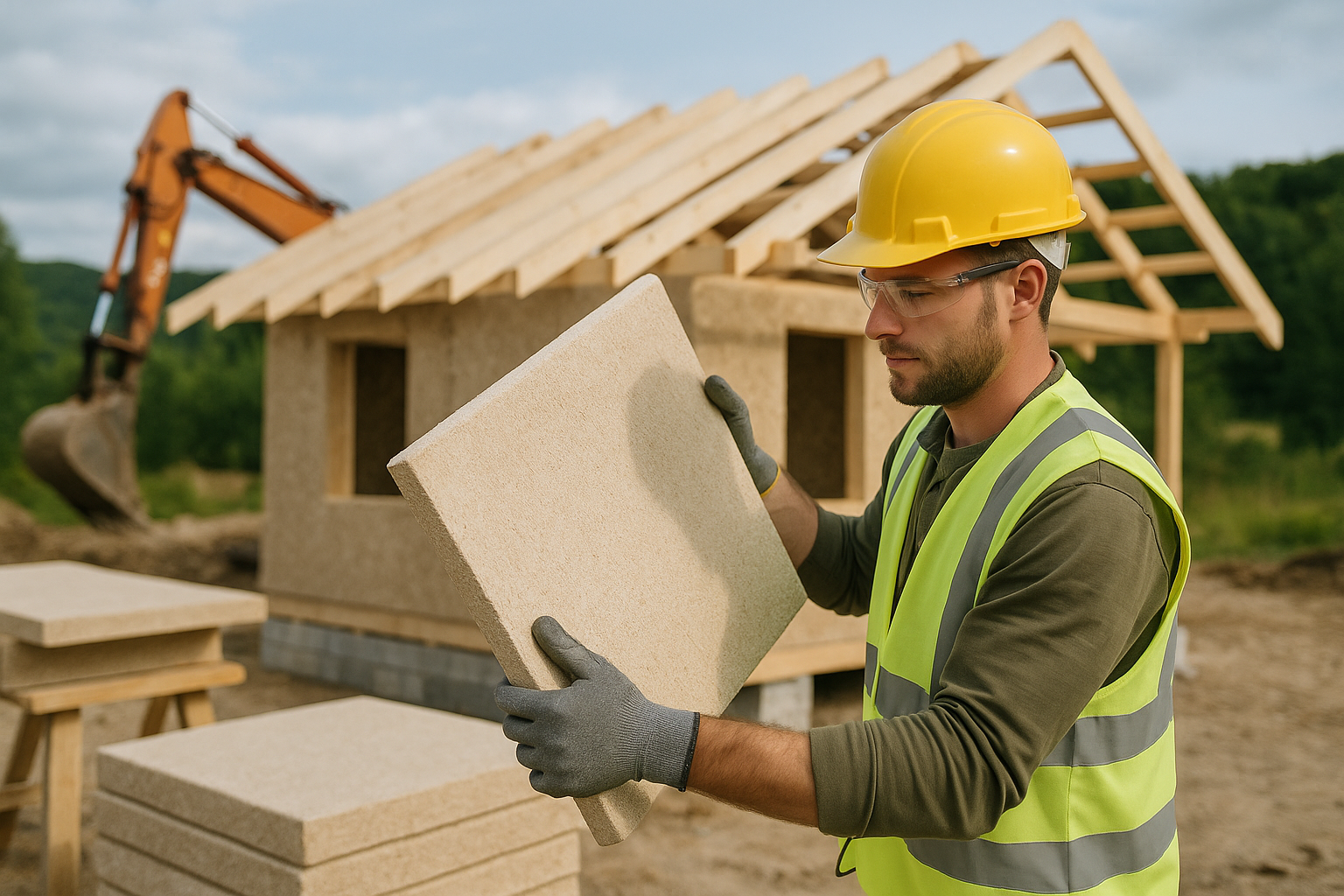
Hemp has been used in construction for centuries, but hempcrete—a bio-composite material made from the inner woody core of industrial hemp mixed with lime-based binder—represents a contemporary refinement of this ancient wisdom. This lightweight material offers exceptional insulation properties, naturally regulates humidity, and continues to absorb carbon dioxide throughout its lifespan, becoming stronger over time.
Unlike conventional concrete, hempcrete is carbon-negative, meaning it absorbs more CO2 during its growth and curing process than is emitted during production. The material is also naturally pest-resistant, fire-resistant, and provides excellent acoustic insulation. While not load-bearing in most applications, hempcrete works beautifully as infill material in timber-framed structures.
Mycelium: Growing Buildings from Fungi
Perhaps the most futuristic low-impact material currently in development is mycelium—the root structure of mushrooms. This remarkable biomaterial can be grown into specific shapes and forms, creating lightweight, strong, and completely biodegradable building components. Mycelium-based materials require minimal energy to produce, can be grown using agricultural waste, and offer impressive insulation and fire-resistance properties.
Companies worldwide are experimenting with mycelium for everything from insulation panels to decorative elements and even structural components. While still in relatively early stages of commercial adoption, mycelium represents the ultimate in circular economy thinking—materials that come from nature and can return to nature without leaving harmful residues.
💡 Innovative Construction Methods Reducing Environmental Impact
Modular and Prefabricated Construction
Modular construction involves building sections or modules of a structure in a controlled factory environment before transporting them to the construction site for assembly. This method dramatically reduces material waste, construction time, and site disturbance. Factory settings allow for precise material cutting, efficient recycling of scraps, and better quality control than traditional on-site construction.
Prefabricated construction also minimizes weather-related delays and reduces the need for extensive on-site equipment and labor. The controlled environment enables better working conditions for construction workers and allows for year-round building regardless of weather conditions. Many modular buildings achieve higher energy efficiency standards due to tighter construction tolerances possible in factory settings.
3D Printing: Precision with Minimal Waste
Three-dimensional printing technology has moved from creating small plastic objects to constructing entire buildings. Large-scale 3D printers can extrude concrete, clay, or other materials layer by layer to create walls and structural elements with unprecedented precision. This technology reduces material waste to near-zero levels, as the printer uses only what’s necessary for the design.
Beyond waste reduction, 3D printing enables complex architectural forms that would be prohibitively expensive or impossible with traditional construction methods. The technology also allows for optimization of material distribution, placing material only where structural analysis indicates it’s needed, further reducing overall material usage without compromising strength.
Earthship Construction: Self-Sufficient Living Structures
Earthship construction represents a holistic approach to low-impact building that combines recycled materials, passive solar design, and renewable energy systems. These buildings typically use earth-filled tires for load-bearing walls, glass bottles for non-structural walls, and incorporate systems for rainwater harvesting, greywater treatment, and food production.
While initially associated with off-grid living in remote areas, Earthship principles are increasingly influencing mainstream construction. The emphasis on thermal mass, natural climate control, and resource independence offers valuable lessons for conventional builders seeking to reduce environmental impact and operational costs.
🔧 Practical Implementation Strategies for Sustainable Construction
Material Selection Framework
Choosing appropriate low-impact materials requires evaluating multiple factors beyond simple carbon footprint calculations. Builders must consider local availability, climate appropriateness, maintenance requirements, durability, and lifecycle costs. Materials sourced locally reduce transportation emissions and support regional economies, while climate-specific selections ensure optimal performance and longevity.
A comprehensive material assessment should include embodied energy, recyclability potential, toxicity levels, and end-of-life disposal options. Materials that perform multiple functions—such as structural insulated panels that provide both framing and insulation—offer efficiency advantages that reduce overall environmental impact.
Design for Deconstruction
Traditional buildings are designed for permanence, making eventual demolition wasteful and polluting. Design for deconstruction (DfD) flips this paradigm by planning for eventual disassembly from the initial design phase. This approach uses mechanical fasteners rather than adhesives, standardized components, and clear documentation of material locations and specifications.
Buildings designed for deconstruction enable component reuse and material recovery at end-of-life, dramatically reducing landfill waste. This approach also facilitates easier renovation and adaptation as building needs change over time, extending functional lifespan and reducing the need for complete rebuilding.
Integrated Project Delivery
Low-impact construction benefits significantly from collaborative project delivery methods that bring together architects, engineers, contractors, and suppliers from project inception. This integrated approach enables early identification of opportunities for material efficiency, waste reduction, and sustainable innovation that might be missed in traditional sequential design processes.
Early collaboration allows for optimization across disciplines—structural engineers can work with architects to minimize material use while maintaining safety, while contractors provide input on constructability and waste reduction strategies. This teamwork approach typically results in projects that meet sustainability goals more effectively while staying within budget and schedule constraints.
📊 Measuring Success: Metrics for Low-Impact Construction
Quantifying the environmental benefits of low-impact construction requires robust metrics and assessment frameworks. Life Cycle Assessment (LCA) provides comprehensive evaluation of environmental impacts from raw material extraction through manufacturing, transportation, construction, use, and end-of-life disposal. This holistic view prevents problem-shifting where improvements in one area create unintended consequences elsewhere.
Key performance indicators for low-impact construction include embodied carbon, operational energy consumption, water usage, waste generation, and indoor environmental quality. Green building certification systems like LEED, BREEAM, and Living Building Challenge provide standardized frameworks for measuring and verifying sustainable construction performance.
Beyond environmental metrics, successful low-impact construction must also demonstrate economic viability and social benefits. Return on investment, occupant health and productivity, and contribution to community resilience represent crucial success factors that ensure widespread adoption beyond environmentally motivated early adopters.
🌍 Global Examples Leading the Way
Europe’s Timber Revolution
European countries, particularly Norway, Sweden, and Austria, have embraced mass timber construction at scale. The Mjøstårnet tower in Norway, completed in 2019, stands as the world’s tallest timber building at 85.4 meters. This architectural achievement demonstrates that wood construction can meet the demands of urban density while dramatically reducing carbon emissions compared to conventional high-rises.
These projects benefit from supportive regulatory frameworks, established supply chains for engineered wood products, and cultural acceptance of wood as a primary structural material. The success of European timber construction provides a roadmap for other regions seeking to transition toward low-impact building methods.
Asia’s Innovative Material Applications
Asian countries are pioneering novel applications of traditional materials and developing new sustainable alternatives. Japan’s expertise in seismic design has produced innovative timber joinery systems that provide earthquake resistance without metal fasteners. Meanwhile, countries like Vietnam and Thailand are rediscovering and modernizing bamboo construction techniques, creating contemporary structures that showcase this rapidly renewable material’s versatility.
China’s adoption of prefabricated construction methods represents the world’s largest experiment in industrialized building. Government policies promoting factory-built construction aim to reduce waste, improve quality, and address urban housing needs while minimizing environmental impact.
🚀 Future Horizons: Emerging Technologies and Trends
Smart Materials and Responsive Systems
The next generation of low-impact materials incorporates smart technologies that respond to environmental conditions. Phase-change materials absorb and release heat to moderate temperature fluctuations, self-healing concrete repairs its own cracks, and electrochromic glass adjusts transparency based on sunlight intensity. These innovations enhance building performance while reducing ongoing energy consumption and maintenance requirements.
Integrating sensors and building management systems with sustainable materials creates adaptive structures that optimize resource use in real-time. Machine learning algorithms can predict heating and cooling needs, adjust ventilation based on occupancy and air quality, and identify maintenance issues before they become problems.
Circular Economy Integration
The construction industry is gradually embracing circular economy principles that view buildings as material banks rather than permanent structures. This paradigm shift emphasizes designing with recovered materials, planning for future disassembly and reuse, and creating supply chains that facilitate material circulation rather than extraction and disposal.
Digital material passports that document component specifications, locations, and disassembly instructions will become standard practice, enabling efficient material recovery and reuse. Marketplace platforms connecting demolition projects with new construction will streamline the flow of recovered materials, reducing waste and virgin material demand.
💪 Overcoming Barriers to Widespread Adoption
Despite compelling advantages, low-impact construction faces significant adoption barriers. Building codes and regulations often lag behind material innovations, creating uncertainty and approval challenges. Many jurisdictions lack specific provisions for newer materials like hempcrete or CLT, requiring time-consuming special approvals that discourage their use.
Education and training gaps present another challenge. Construction professionals trained in traditional methods may lack familiarity with low-impact alternatives, while architecture and engineering curricula often provide limited coverage of sustainable materials and methods. Addressing these knowledge gaps requires industry-wide commitment to continuing education and curriculum updates.
Cost perceptions, though often inaccurate, also hinder adoption. While some low-impact materials carry higher upfront costs, lifecycle analysis frequently reveals long-term savings through reduced energy consumption, maintenance, and eventual disposal costs. Better financial models that account for total cost of ownership rather than just initial construction costs help overcome this barrier.
✨ The Path Forward: Building a Sustainable Future
The construction industry’s transformation toward low-impact materials and methods represents one of the most significant opportunities to address climate change and environmental degradation. This shift requires coordinated action from policymakers, industry leaders, educators, and individual practitioners committed to reimagining how we create the built environment.
Successful transition depends on continued innovation in materials science, construction technology, and project delivery methods. It requires supportive policy frameworks that incentivize sustainable practices while removing regulatory obstacles. Most importantly, it demands a cultural shift that values long-term environmental stewardship over short-term convenience and familiarity.
The buildings we construct today will shape our physical environment for decades or centuries to come. Choosing to build better and lighter isn’t just an environmental imperative—it’s an investment in resilience, health, and prosperity for current and future generations. As low-impact materials and methods prove their performance and economic viability, they will transition from innovative alternatives to industry standards, fundamentally transforming construction for the better.
Every project that embraces sustainable principles contributes to this transformation, demonstrating what’s possible and paving the way for broader adoption. Whether you’re a homeowner planning a renovation, a developer considering your next project, or a construction professional seeking to expand your expertise, the time to engage with low-impact construction is now. The revolution in building practices has begun, and its success depends on collective commitment to creating structures that serve human needs while respecting planetary boundaries.