Smart grid technology is revolutionizing how cities consume, distribute, and manage energy, creating pathways toward more sustainable and efficient urban environments worldwide.

As urban populations continue to surge, with projections indicating that nearly 70% of humanity will reside in cities by 2050, the pressure on existing energy infrastructure intensifies. Traditional power grids, designed decades ago, struggle to meet modern demands while addressing environmental concerns. Smart grid solutions emerge as the critical bridge between current capabilities and future sustainability requirements, offering intelligent, responsive systems that transform energy management in metropolitan areas.
The integration of digital technology with electrical infrastructure represents more than incremental improvement—it signifies a fundamental reimagining of how urban centers power themselves. These advanced networks leverage real-time data, automated controls, and bidirectional communication to optimize energy flow, reduce waste, and accommodate renewable sources seamlessly into the urban energy mix.
⚡ Understanding Smart Grid Technology in Modern Cities
Smart grids represent the convergence of electrical engineering, information technology, and communications infrastructure. Unlike conventional power systems that simply push electricity from generation points to consumers, smart grids create dynamic, interactive networks where data flows as freely as electricity itself.
At their core, these systems employ advanced metering infrastructure (AMI), sophisticated sensors, and intelligent algorithms that monitor grid conditions continuously. This constant surveillance enables utilities to detect problems instantaneously, predict failures before they occur, and respond to changing demand patterns with unprecedented precision.
The architecture of smart grids incorporates multiple layers: the physical infrastructure of power lines and substations, the communication network that transmits data, and the analytical software that transforms raw information into actionable insights. Together, these components create a self-healing, adaptive system capable of managing complexity that would overwhelm traditional grids.
Key Components Driving Smart Grid Innovation
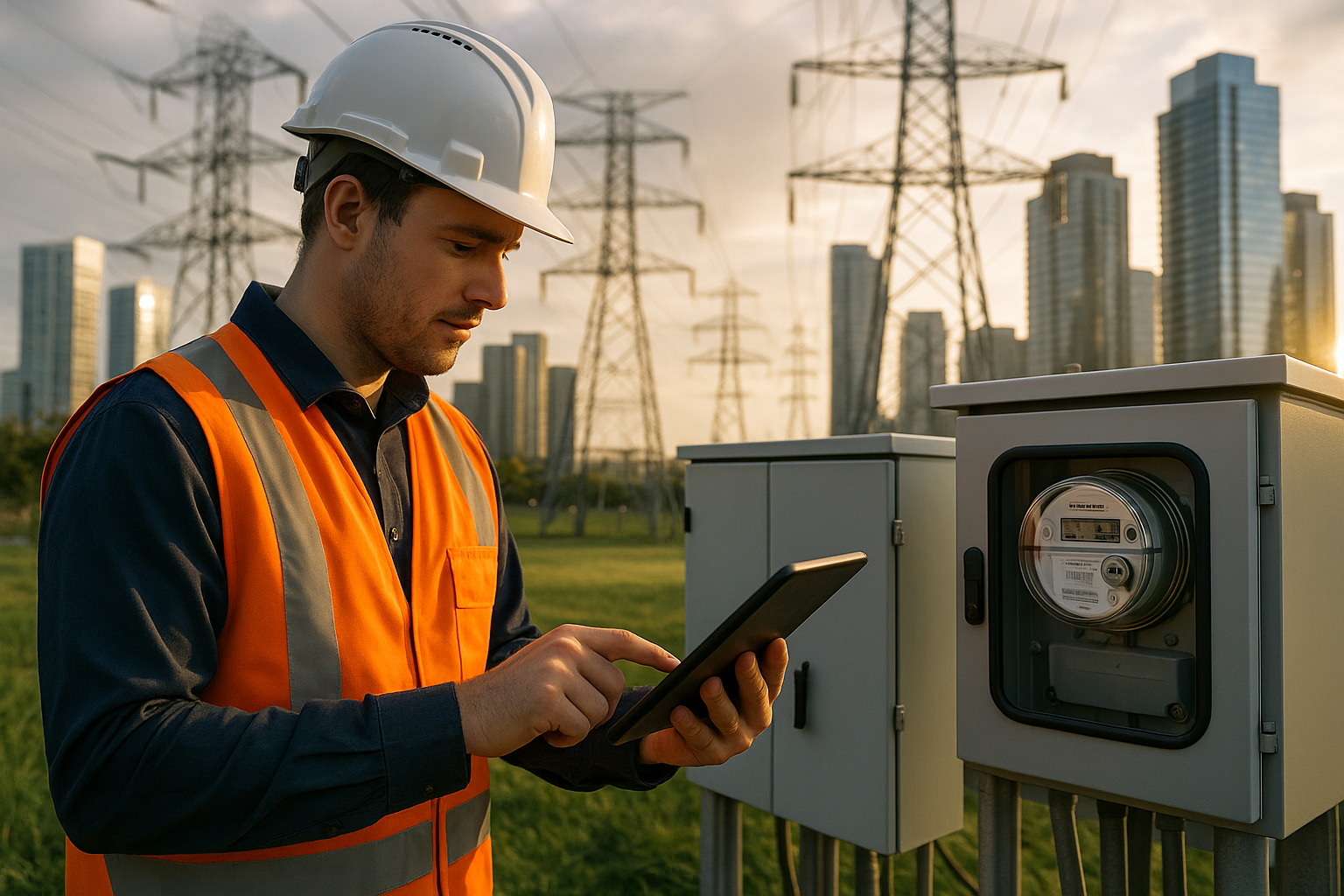
Several technological elements work in concert to enable smart grid functionality. Smart meters form the foundational interface between utilities and consumers, recording energy consumption in granular detail and transmitting this information wirelessly. These devices replace mechanical meters that required manual reading, introducing automation and accuracy into billing and monitoring processes.
Phasor measurement units (PMUs) provide synchronized measurements across the grid, capturing electrical waveforms at microsecond precision. This synchronization allows operators to understand grid behavior holistically rather than through isolated snapshots, much like the difference between viewing individual photographs versus watching live video.
Advanced distribution management systems (ADMS) serve as the brain of smart grids, processing enormous data volumes to optimize voltage levels, balance loads, and route power efficiently. These platforms employ artificial intelligence and machine learning algorithms that improve continuously, adapting to seasonal patterns, weather influences, and consumption trends.
🌱 Environmental Benefits Transforming Urban Landscapes
The environmental advantages of smart grid implementation extend far beyond simple energy efficiency. By enabling greater integration of renewable energy sources, these systems fundamentally alter the carbon footprint of urban electricity consumption.
Solar panels and wind turbines generate variable output dependent on weather conditions—a characteristic that challenges traditional grid operators. Smart grids manage this variability through sophisticated forecasting and rapid response capabilities, storing excess renewable energy when production exceeds demand and releasing it during peak periods.
Energy storage systems, particularly battery installations, complement renewable integration by smoothing out generation fluctuations. Smart grids orchestrate when these batteries charge and discharge, maximizing renewable utilization while maintaining grid stability. This coordination reduces reliance on fossil fuel “peaker” plants that historically fired up during high-demand periods.
Reducing Carbon Emissions Through Intelligent Management
Cities implementing comprehensive smart grid solutions report significant reductions in greenhouse gas emissions. By optimizing power flow and reducing transmission losses—electricity wasted as heat during transport—these systems squeeze more useful energy from every watt generated.
Demand response programs enabled by smart grids encourage consumers to shift electricity usage away from peak periods, flattening the demand curve. This load leveling reduces the need for inefficient, carbon-intensive backup generation facilities that operate only during demand spikes.
Real-time monitoring also identifies energy waste at granular levels, from inefficient street lighting to poorly performing building systems. Armed with this data, city managers can prioritize retrofits and improvements that deliver maximum environmental benefit per dollar invested.
💡 Economic Advantages for Cities and Citizens
The financial case for smart grid adoption proves compelling for municipal governments, utility companies, and residents alike. Though initial infrastructure investments appear substantial, the long-term returns justify these upfront costs through multiple revenue streams and savings mechanisms.
Operational efficiency improvements translate directly to cost reductions. Automated systems eliminate many manual processes, from meter reading to fault detection, reducing labor expenses while improving accuracy. Predictive maintenance capabilities prevent catastrophic equipment failures that require expensive emergency repairs, extending asset lifespans and optimizing capital expenditure timing.
For consumers, smart grids unlock access to dynamic pricing models that reward flexible consumption patterns. Time-of-use rates incentivize shifting energy-intensive activities—like running dishwashers or charging electric vehicles—to off-peak hours when electricity costs less. These behavioral shifts benefit individuals through lower bills while helping utilities balance loads more effectively.
Creating New Economic Opportunities
Beyond direct savings, smart grid ecosystems foster innovation and entrepreneurship. The data these systems generate enables new business models, from energy management consulting to predictive analytics services. Technology companies develop applications that help consumers understand and optimize their energy consumption, creating jobs and economic activity.
The distributed generation model facilitated by smart grids allows property owners to become energy producers, selling excess solar power back to the grid. This democratization of energy production creates income opportunities while accelerating renewable adoption through financial incentives aligned with sustainability goals.
🏙️ Enhancing Urban Resilience and Reliability
Modern cities cannot tolerate extended power outages without severe economic and social consequences. Hospitals, data centers, transportation systems, and countless other critical services depend on uninterrupted electricity supply. Smart grids dramatically enhance reliability through multiple mechanisms.
Self-healing capabilities represent perhaps the most impressive resilience feature. When faults occur—from fallen trees during storms to equipment failures—smart grids automatically isolate the affected section, reroute power through alternative pathways, and restore service to most customers within seconds. This automation prevents localized problems from cascading into widespread blackouts.
Microgrids, enabled by smart grid technology, allow neighborhoods or districts to operate independently when necessary. During major disruptions affecting the broader network, these self-contained systems disconnect and continue powering critical facilities using local generation and storage resources. Once the main grid stabilizes, reconnection occurs seamlessly.
Weathering Natural Disasters and Extreme Events
Climate change increases the frequency and intensity of extreme weather events that threaten power infrastructure. Smart grids help cities prepare for and respond to these challenges through enhanced monitoring and rapid recovery capabilities.
Advanced sensors detect developing problems—like ice accumulation on power lines or transformers overheating during heat waves—allowing preventive action before failures occur. When damage does happen, precise fault location capabilities guide repair crews directly to problem areas, eliminating time wasted searching for damage across vast networks.
The decentralization inherent in smart grid architecture distributes risk across multiple generation and storage points rather than concentrating vulnerability in large central power plants. This redundancy ensures that isolated failures affect fewer customers and alternative resources can compensate quickly.
📱 Consumer Empowerment Through Data Access
Smart grids transform consumers from passive energy recipients into active participants who make informed decisions about their consumption patterns. The detailed usage data these systems provide enables unprecedented visibility into how, when, and where electricity gets used.
Mobile applications and web portals present consumption information in intuitive formats, showing real-time usage, historical trends, and cost breakdowns. This transparency helps households identify energy-hungry appliances, recognize wasteful habits, and quantify savings from efficiency improvements or behavioral changes.
Comparison features allow consumers to benchmark their usage against similar households, creating social incentives for conservation. Gamification elements—achievement badges for meeting efficiency goals or community leaderboards—tap into competitive instincts to drive sustainable behaviors.
Smart Home Integration and Automation
The Internet of Things (IoT) ecosystem intersects with smart grids to enable automated energy management. Smart thermostats, connected appliances, and intelligent lighting systems communicate with the grid, responding to price signals or utility requests to reduce consumption during stress periods.
These automations happen transparently, requiring minimal user intervention after initial setup. A smart water heater might delay heating cycles by thirty minutes during peak demand without occupants noticing any difference in hot water availability, yet this small shift multiplied across thousands of homes significantly impacts grid balance.
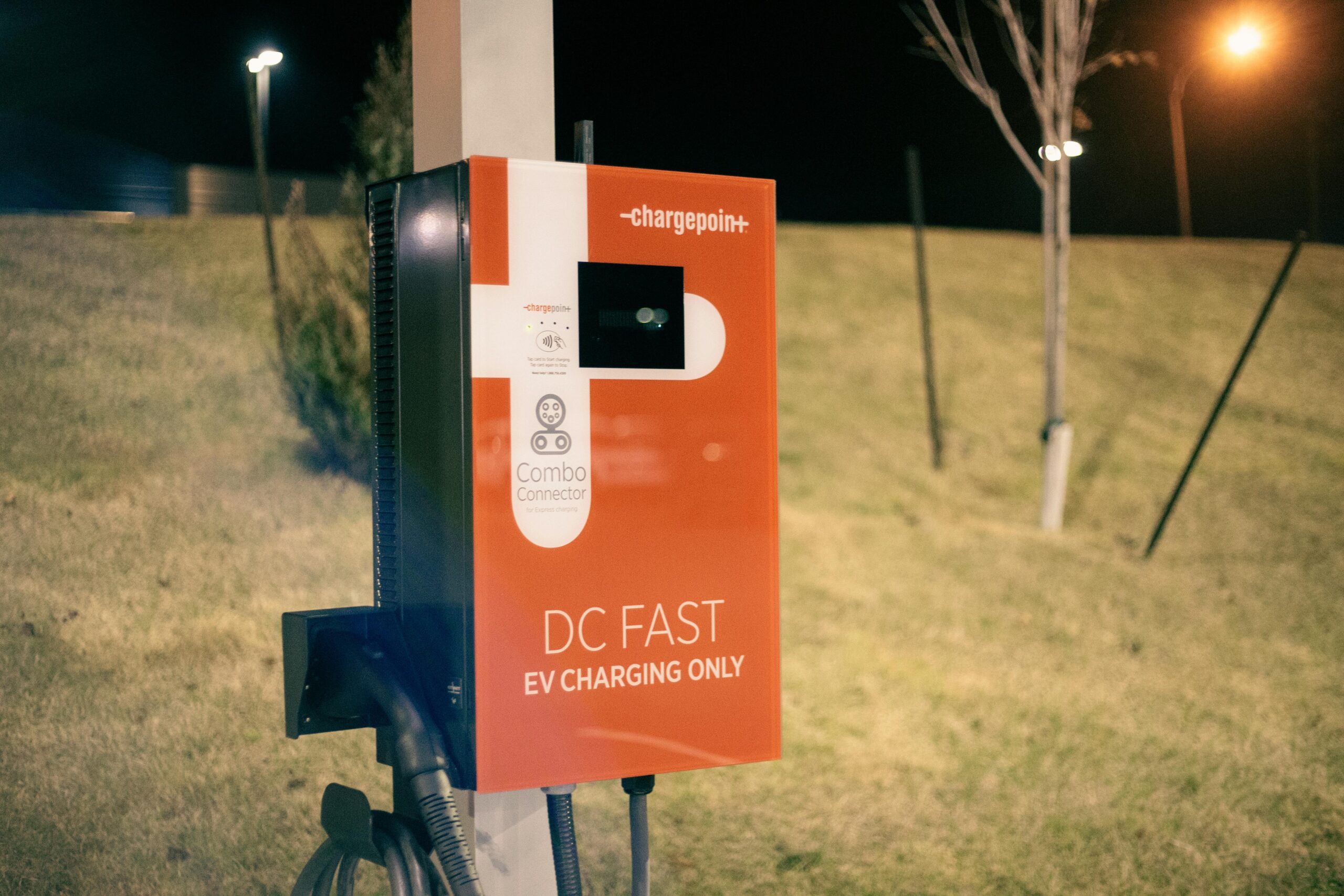
Electric vehicle charging optimization exemplifies this integration. Smart charging systems communicate with the grid to draw power when rates are lowest and renewable generation is highest, minimizing costs for vehicle owners while supporting grid stability and environmental goals simultaneously.
🔒 Addressing Security and Privacy Considerations
The digital nature of smart grids introduces cybersecurity concerns absent from traditional electrical infrastructure. The same connectivity enabling efficiency and optimization also creates potential vulnerabilities that malicious actors might exploit.
Utility companies invest heavily in cybersecurity measures, implementing multiple defensive layers. Encryption protects data transmitted across networks, authentication systems verify that only authorized devices and users access grid controls, and intrusion detection systems monitor continuously for suspicious activity.
Privacy concerns arise from the granular consumption data smart meters collect. This information reveals patterns about when people are home, what appliances they use, and potentially even which television programs they watch. Robust data governance frameworks establish clear rules about how utilities collect, store, and use customer information, with anonymization techniques protecting individual privacy while preserving analytical value.
🌍 Global Implementation Success Stories
Cities worldwide demonstrate smart grid benefits through successful deployments at various scales. Copenhagen’s comprehensive smart grid infrastructure supports its ambitious goal of carbon neutrality by 2025, integrating extensive wind generation with district heating systems and electric vehicle charging networks.
Amsterdam’s smart grid pilot projects focus on neighborhood-scale implementations that test innovative concepts before citywide rollout. These living laboratories engage residents as active participants, gathering feedback that shapes system design and ensures technology serves community needs effectively.
In South Korea, the Songdo International Business District was built from the ground up as a smart city with an advanced grid as its energy foundation. This greenfield approach allowed designers to optimize every component without constraints imposed by legacy infrastructure, creating a model for future urban developments.
🚀 Future Trajectories and Emerging Technologies
Smart grid evolution continues accelerating as emerging technologies mature and costs decline. Blockchain applications promise to enable peer-to-peer energy trading, where neighbors buy and sell electricity directly without utility intermediation, creating truly distributed energy markets.
Artificial intelligence capabilities expand beyond current optimization applications toward predictive modeling that anticipates consumption patterns days or weeks ahead with remarkable accuracy. These forecasts enable better planning for renewable integration and infrastructure investments.
Quantum computing may eventually tackle optimization problems too complex for classical computers, finding ideal solutions for grid management challenges that currently require approximate approaches. Though still experimental, this technology holds transformative potential for energy systems.
🎯 Implementing Smart Grids: Practical Pathways Forward
Cities considering smart grid adoption should approach implementation strategically, beginning with clear objectives aligned to local priorities. Whether focusing primarily on reliability, sustainability, or economic benefits, these goals guide technology selection and deployment sequencing.
Pilot projects offer valuable learning opportunities with limited risk. Testing smart grid components in specific neighborhoods or for particular applications builds institutional knowledge, identifies challenges early, and demonstrates value to stakeholders before committing to larger investments.
Stakeholder engagement proves essential for successful implementation. Utility companies, city governments, technology providers, and citizens must collaborate throughout the process, ensuring systems meet diverse needs and build public trust through transparency about benefits, costs, and data practices.
Regulatory frameworks require updating to accommodate smart grid capabilities and business models. Policies should encourage innovation while protecting consumers, allowing new rate structures that reflect actual grid costs and incentivize beneficial behaviors without creating unfair burdens.
As cities worldwide confront the dual imperatives of accommodating population growth and reducing environmental impact, smart grid solutions provide essential tools for sustainable urban living. These systems transform electricity from a commodity consumed passively into a managed resource optimized intelligently. The journey toward truly smart, sustainable cities depends fundamentally on the electrical infrastructure powering them—infrastructure that must evolve from 20th-century designs into 21st-century intelligent networks. Through continued innovation, thoughtful implementation, and commitment to equitable access, smart grids will illuminate pathways toward urban futures that balance human needs with planetary health, proving that technology and sustainability need not conflict but instead can amplify each other’s benefits.