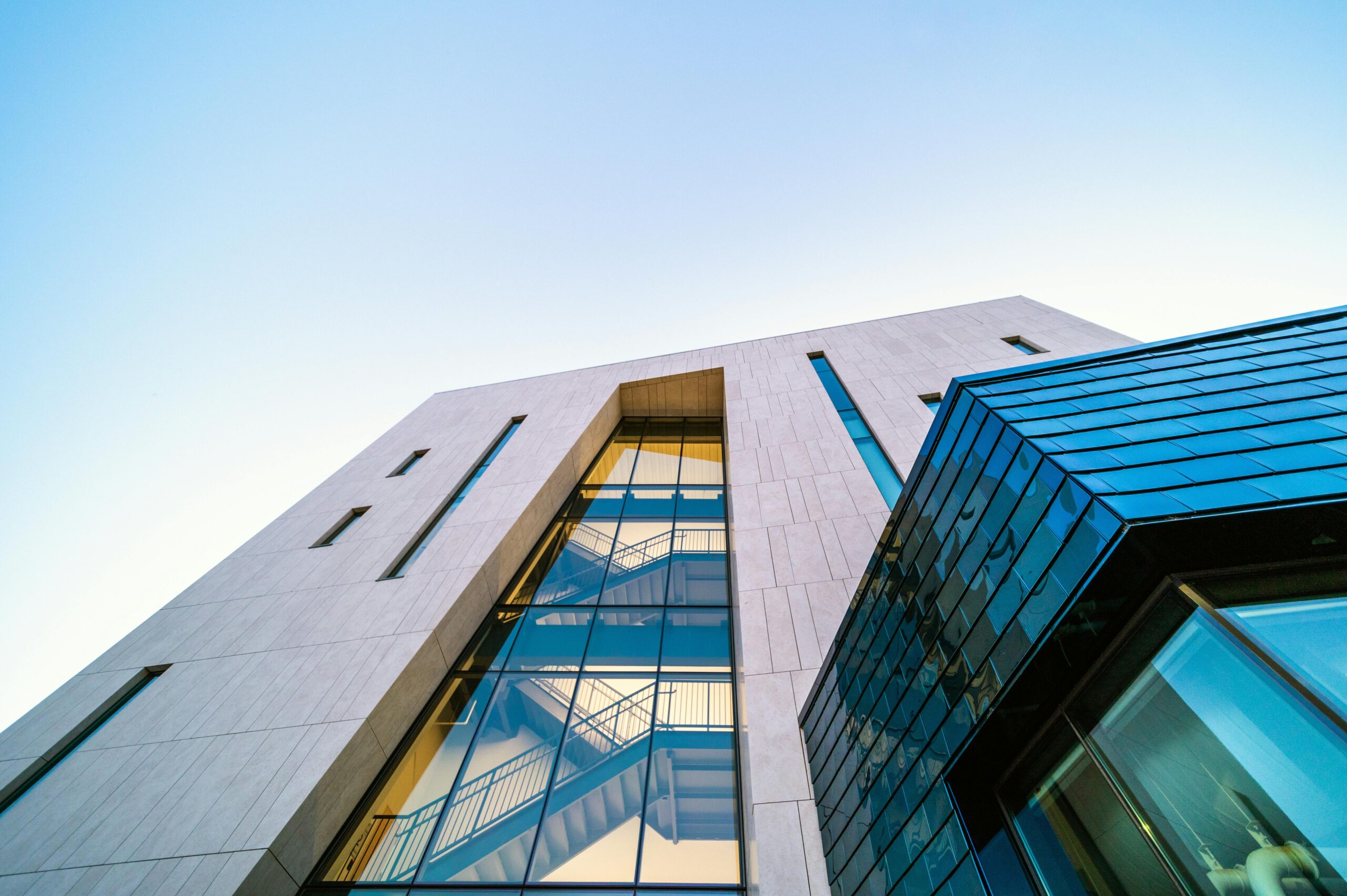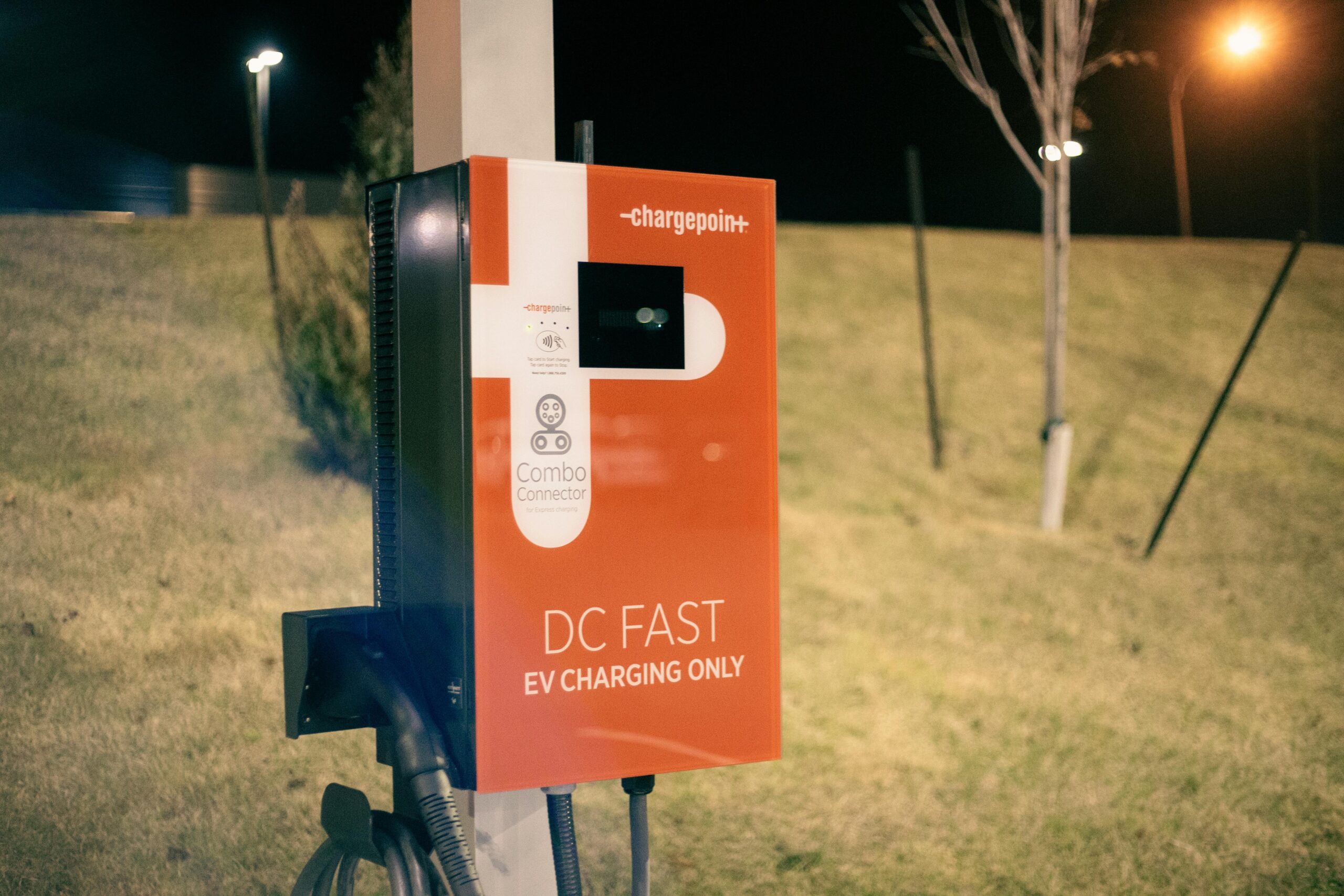
The construction industry stands at a pivotal crossroads where environmental responsibility meets innovative design, reshaping how we build for generations to come.

🌱 The Urgent Need for Green Building Standards
Buildings account for nearly 40% of global energy consumption and approximately 33% of greenhouse gas emissions worldwide. These staggering statistics highlight why sustainable construction has transitioned from a niche concept to an industry imperative. Green building standards and certifications provide the framework necessary to transform construction practices, ensuring that new developments minimize environmental impact while maximizing efficiency and occupant health.
The adoption of eco-friendly construction methodologies isn’t merely about compliance or environmental altruism. It represents a fundamental shift in how we conceptualize the built environment. Modern green building standards integrate energy efficiency, water conservation, material selection, indoor environmental quality, and site development into cohesive rating systems that guide architects, developers, and contractors toward genuinely sustainable outcomes.
As climate change intensifies and resources become increasingly scarce, these certifications serve as both roadmap and benchmark. They quantify sustainability achievements, providing transparency to stakeholders while driving innovation throughout the construction supply chain.
Understanding the Leading Green Building Certifications
The landscape of green building certifications has evolved considerably over the past two decades. While numerous rating systems exist globally, several have emerged as industry leaders, each with distinct approaches and regional strengths.
LEED: The Global Benchmark
Leadership in Energy and Environmental Design (LEED), developed by the U.S. Green Building Council, has become the most widely recognized green building certification system worldwide. With projects in over 160 countries, LEED’s comprehensive approach evaluates buildings across multiple sustainability categories.
LEED certification operates on a points-based system across several impact categories: sustainable sites, water efficiency, energy and atmosphere, materials and resources, indoor environmental quality, innovation in design, and regional priority. Projects can achieve Certified, Silver, Gold, or Platinum status depending on points earned.
What distinguishes LEED is its flexibility and continuous evolution. The rating system regularly updates to incorporate emerging best practices, technological advances, and scientific understanding of environmental impacts. LEED v4.1, the current version, places greater emphasis on materials transparency, occupant health, and performance measurement.
BREEAM: Europe’s Pioneer Standard
The Building Research Establishment Environmental Assessment Method (BREEAM) predates LEED and remains the dominant certification in the United Kingdom and much of Europe. Established in 1990, BREEAM’s longevity reflects its rigorous technical foundation and adaptability.
BREEAM assesses buildings across ten categories: management, health and wellbeing, energy, transport, water, materials, waste, land use and ecology, pollution, and innovation. Like LEED, it awards ratings from Pass through to Outstanding based on performance scores.
BREEAM’s particular strength lies in its emphasis on lifecycle assessment and ecological considerations. The certification encourages biodiversity enhancement, considers transportation impacts comprehensively, and requires third-party verification through licensed assessors, ensuring consistency and credibility.
Living Building Challenge: The Aspirational Standard
For projects seeking to push boundaries beyond conventional sustainability, the Living Building Challenge represents the most ambitious green building certification available. Rather than mitigating harm, this standard requires buildings to generate net-positive impacts.
The Living Building Challenge organizes requirements into seven performance areas called Petals: place, water, energy, health and happiness, materials, equity, and beauty. To achieve certification, projects must meet all applicable imperatives within these categories, including net-zero energy and water requirements.
This rigorous approach means relatively few projects achieve full Living Building certification, but the standard serves as an aspirational goal that advances industry innovation and demonstrates what’s possible when sustainability becomes the primary design driver.
🏗️ Key Components of Green Building Standards
While specific requirements vary between certification systems, certain core principles unite all credible green building standards. Understanding these fundamental components helps stakeholders recognize quality certifications and implement effective sustainability strategies.
Energy Performance and Efficiency
Energy consumption represents the single largest environmental impact area for most buildings. Green building standards prioritize energy efficiency through multiple strategies: high-performance building envelopes, efficient HVAC systems, smart lighting design, and renewable energy integration.
Advanced certifications require comprehensive energy modeling during design phases, allowing teams to optimize performance before construction begins. Post-occupancy verification ensures buildings deliver promised efficiency in real-world operation, closing the performance gap that historically plagued green construction.
Many standards now mandate or incentivize on-site renewable energy generation, typically through solar photovoltaic systems. This shift toward net-zero energy buildings acknowledges that efficiency alone cannot achieve necessary carbon reductions.
Water Conservation and Management
With freshwater scarcity affecting regions worldwide, water efficiency has become central to sustainable building design. Green standards address both indoor water consumption and outdoor landscape irrigation while managing stormwater responsibly.
Indoor strategies include high-efficiency fixtures, greywater recycling systems, and rainwater harvesting for non-potable applications. Outdoor approaches emphasize native landscaping, efficient irrigation technologies, and xeriscaping principles that minimize supplemental water needs.
Progressive standards also consider watershed impacts, requiring buildings to manage stormwater on-site through bioretention, permeable surfaces, and green infrastructure that mimics natural hydrology.
Materials Selection and Resource Efficiency
The environmental impact of construction materials extends from extraction through manufacturing, transportation, installation, and eventual disposal. Green building certifications encourage responsible material selection through multiple criteria.
Recycled content, rapidly renewable materials, regional sourcing, and certified sustainable forestry products all receive recognition. Increasingly, standards require transparency regarding chemical composition through Health Product Declarations and Environmental Product Declarations.
Circular economy principles are gaining prominence, with certifications rewarding design for disassembly, material reuse, and construction waste diversion from landfills. This lifecycle perspective fundamentally changes how design teams specify materials.
Indoor Environmental Quality
Sustainable buildings must support occupant health and productivity. Indoor environmental quality encompasses air quality, thermal comfort, acoustic performance, daylighting, and views to the outdoors.
Ventilation rates exceeding minimum code requirements, low-emitting materials, moisture control, and pollutant source management contribute to superior indoor air quality. Operable windows, individual thermal controls, and careful acoustic design enhance occupant comfort and satisfaction.
Research consistently demonstrates that buildings with excellent indoor environmental quality improve occupant health, reduce absenteeism, and enhance cognitive performance—benefits that often exceed the cost premium of green construction.
Regional and Specialized Certification Programs
Beyond international standards like LEED and BREEAM, numerous regional and specialized certifications address specific contexts, building types, or sustainability priorities.
Green Star: Australia’s Response
The Green Building Council of Australia developed Green Star to address local climate conditions, building practices, and regulatory frameworks. This certification has become the benchmark for sustainable construction across Australia and New Zealand.
Green Star’s categories mirror international standards but incorporate region-specific considerations like bushfire resilience, indigenous heritage, and adaptation to Australian climate zones. This localization demonstrates how global sustainability principles require contextual application.
WELL Building Standard: Health-Focused Certification
The WELL Building Standard takes a unique approach by prioritizing human health and wellness as the primary lens for building evaluation. Rather than competing with environmental certifications, WELL complements them by focusing on occupant experience.
WELL’s ten concepts—air, water, nourishment, light, movement, thermal comfort, sound, materials, mind, and community—directly address factors affecting human health. Many projects pursue both LEED and WELL certification simultaneously, recognizing that environmental sustainability and human wellness are interconnected goals.
Passive House: Performance-Based Rigor
Originating in Germany, the Passive House (Passivhaus) standard emphasizes extreme energy efficiency through rigorous performance requirements rather than prescriptive measures. Buildings must achieve specific annual heating and cooling energy demands, primary energy consumption, and airtightness levels.
This performance-based approach allows design flexibility while ensuring dramatic energy reductions—typically 75-90% compared to conventional buildings. Passive House certification requires detailed energy modeling and on-site verification testing, establishing credibility through measured results.
💡 The Business Case for Green Building Certification
Skeptics sometimes question whether green building certification justifies its costs. However, extensive research and market data demonstrate compelling financial, risk management, and competitive advantages.
Operational Cost Savings
Energy and water efficiency translate directly to reduced utility expenses throughout a building’s operational life. Studies indicate that LEED-certified buildings consume 25% less energy and 11% less water than conventional buildings on average, generating substantial savings.
These operational savings typically offset green building premiums within 5-7 years, after which they represent pure financial benefit. Over a building’s 50-year lifespan, this creates millions in additional value for owners.
Asset Value and Marketability
Green-certified buildings command rental and sales premiums in commercial markets. Research from multiple markets globally shows that certified buildings achieve 3-8% higher rental rates and 10-20% higher sales prices compared to similar non-certified properties.
Vacancy rates for certified buildings run consistently lower, while tenant retention improves. As corporate sustainability commitments intensify, many organizations now require green-certified space, making certification essential for competitiveness in premium markets.
Risk Mitigation and Resilience
Green building standards incorporate resilience considerations that protect asset value against climate risks, regulatory changes, and market shifts. Buildings designed to high-performance standards weather utility rate increases, adapt more easily to tightening energy codes, and better withstand extreme weather events.
Insurance providers increasingly recognize these risk reductions, with some offering premium discounts for certified green buildings. This trend will likely accelerate as climate-related losses mount.
🔧 Navigating the Certification Process
Pursuing green building certification requires strategic planning and integration throughout project phases. Understanding the process helps teams maximize benefits while managing costs and complexity.
Early Planning and Goal Setting
Sustainability must be considered from project conception rather than added later. During pre-design, stakeholders should establish clear sustainability goals, select appropriate certification systems, and determine target certification levels based on project objectives and budgets.
Engaging experienced consultants early—including LEED Accredited Professionals, BREEAM Assessors, or equivalent specialists—proves invaluable. These professionals guide credit selection, identify synergies, and help avoid common pitfalls that compromise certification or inflate costs.
Integrated Design Approach
Green building certification succeeds through integrated design where architects, engineers, contractors, and consultants collaborate closely from project outset. This approach identifies opportunities for system integration that reduce costs while improving performance.
For example, optimizing building orientation and envelope performance may allow HVAC downsizing, offsetting insulation upgrades. Such synergies emerge only through early, collaborative analysis—not through conventional sequential design processes.
Documentation and Verification
Certification requires meticulous documentation demonstrating compliance with standard requirements. Project teams must track product specifications, waste management, energy modeling, commissioning results, and numerous other data points.
Many certification systems now utilize online platforms for documentation submission and review, streamlining the process. However, this administrative burden still requires dedicated resources and attention to detail throughout construction.
Emerging Trends Shaping Green Building’s Future
Green building standards continue evolving in response to climate urgency, technological innovation, and deepening understanding of sustainability’s multiple dimensions.
Embodied Carbon Takes Center Stage
While operational energy has dominated green building focus historically, embodied carbon—emissions from material extraction, manufacturing, and construction—increasingly commands attention. As operational efficiency improves, embodied carbon represents a growing percentage of total building lifecycle emissions.
Newer certification versions and emerging standards like LEED Zero Carbon require whole-building lifecycle assessment and embodied carbon reduction strategies. This shift emphasizes material selection, structural optimization, and low-carbon alternatives like mass timber construction.
Digitalization and Smart Building Integration
Digital technologies enable unprecedented building performance monitoring and optimization. Smart sensors, building automation systems, and artificial intelligence algorithms continuously adjust operations to maximize efficiency while maintaining comfort.
Green building standards increasingly incorporate digital infrastructure requirements and encourage performance monitoring through platforms that provide real-time data to operators and occupants. This transparency drives continuous improvement beyond initial certification.
Health and Wellness Prominence
The COVID-19 pandemic accelerated already-growing attention to indoor environmental quality and occupant health. Future green building standards will likely incorporate more stringent air quality requirements, enhanced ventilation, antimicrobial materials, and touchless technologies.
This evolution recognizes that truly sustainable buildings must support human flourishing alongside environmental protection—a holistic perspective that defines next-generation green construction.
🌍 Making Green Building Standard Practice
For green building to achieve necessary scale, certification must transition from exceptional achievement to industry baseline. Several developments suggest this transformation is underway.
Regulatory adoption increasingly mandates green building practices. Numerous jurisdictions now require LEED certification or equivalent for public buildings, while some apply standards to private development through zoning incentives or building code integration.
Financial sector engagement accelerates adoption through green building financing programs, sustainability-linked loans, and ESG investment criteria that favor certified properties. As capital flows preferentially toward sustainable assets, market forces drive broader certification uptake.
Education and professional development ensure the construction workforce possesses necessary knowledge. Credential programs like LEED AP, BREEAM Professional, and Passive House Designer create expertise pools capable of delivering high-performance buildings consistently.
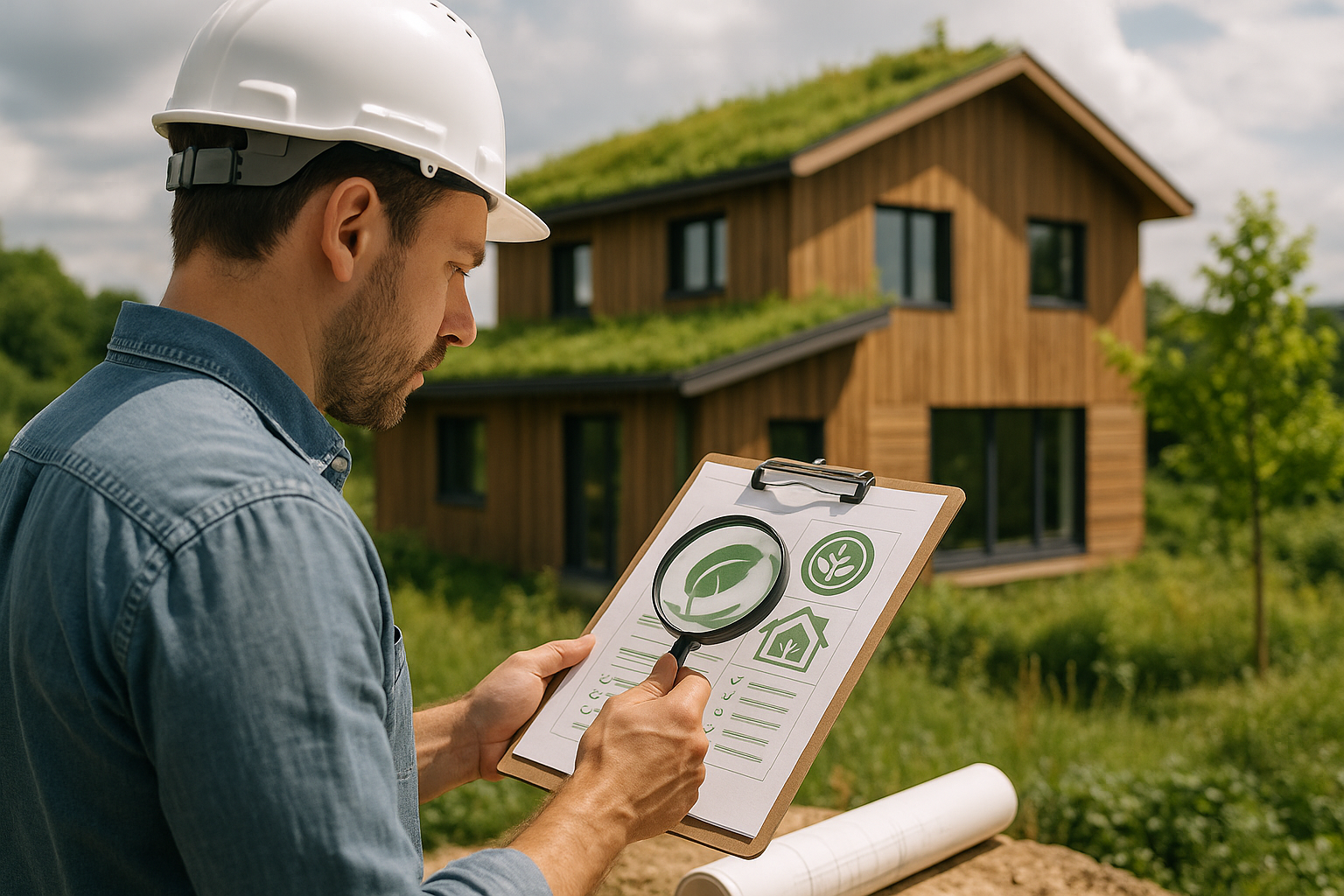
Transforming Construction Through Certification Excellence
Green building standards and certifications represent far more than bureaucratic checklists or marketing tools. They embody systematic approaches to fundamentally reimagining how we design, construct, and operate the built environment. By establishing clear performance criteria, these frameworks make sustainability measurable, achievable, and verifiable.
The construction industry’s transformation toward sustainability remains incomplete, but green building certifications provide essential guidance for this journey. As standards evolve, technologies advance, and market acceptance deepens, certified green building will increasingly define quality construction rather than exceptional practice.
For developers, architects, contractors, and building owners, engaging with recognized green building standards offers a proven pathway to environmental responsibility, enhanced building performance, and long-term value creation. The question facing the industry is no longer whether to build green, but rather how quickly we can make high-performance, certified sustainable construction the universal standard.
The buildings we construct today will shape environmental outcomes and human experiences for decades to come. By embracing rigorous green building standards and pursuing credible certifications, the construction industry can fulfill its responsibility to future generations while creating immediate value for all stakeholders. This alignment of environmental imperative with economic opportunity positions sustainable construction not as sacrifice, but as the foundation for a genuinely prosperous future.