Cities worldwide are facing unprecedented challenges—climate change, resource depletion, and mounting waste. The circular economy offers a transformative pathway to reimagine urban systems sustainably.

🌍 Understanding the Circular Economy in Urban Contexts
The circular economy represents a fundamental shift from the traditional linear “take-make-dispose” model to a regenerative system where resources are kept in use for as long as possible. In urban environments, this means designing cities where waste becomes a resource, materials circulate continuously, and natural systems regenerate rather than degrade.
Unlike the linear economy that has dominated industrial development for centuries, the circular approach minimizes resource extraction, reduces waste generation, and creates closed-loop systems. For cities, this transformation isn’t merely an environmental imperative—it’s an economic opportunity that can generate jobs, reduce costs, and improve quality of life for millions of urban residents.
The Ellen MacArthur Foundation estimates that adopting circular economy principles in European cities alone could generate annual benefits of €1.8 trillion by 2030. These benefits extend beyond monetary value to include reduced carbon emissions, improved air quality, enhanced food security, and more resilient infrastructure systems.
The Urban Challenge: Why Cities Must Transform
Cities occupy just 3% of the Earth’s land surface but consume over 75% of natural resources and generate approximately 50% of global waste. With urban populations projected to reach 68% of the world’s total by 2050, the environmental footprint of cities will only intensify without systemic change.
Traditional urban development models have created significant vulnerabilities. Cities depend on complex global supply chains for food, energy, materials, and goods—dependencies that climate change, pandemics, and geopolitical tensions increasingly disrupt. The COVID-19 pandemic dramatically illustrated how fragile these systems can be when supply chains collapse and resource flows halt.
Urban waste streams represent another critical challenge. The World Bank projects that global waste generation will increase by 70% by 2050, with cities as the primary contributors. Landfills overflow, incineration pollutes air quality, and valuable materials that could be recirculated are permanently lost. This waste crisis demands innovative solutions that the circular economy provides.
♻️ Core Principles for Circular Urban Development
Implementing circular economy principles in cities requires a comprehensive approach across multiple sectors. Several foundational strategies guide this transformation:
Designing Out Waste and Pollution
Rather than managing waste after it’s created, circular cities prevent waste generation through thoughtful design. This includes mandating modular construction methods that facilitate disassembly and material recovery, establishing standards for product longevity and repairability, and eliminating single-use items from municipal procurement.
Amsterdam has pioneered this approach through its circular strategy, which aims to reduce new raw material use by 50% by 2030. The city actively works with businesses to redesign products and services, creating innovation labs where companies develop circular solutions for urban challenges.
Keeping Products and Materials in Use
Circular cities maximize the value extracted from resources by keeping materials circulating at their highest quality. This involves creating infrastructure for repair, refurbishment, remanufacturing, and sharing. Library systems for tools, toys, and household items reduce consumption while improving access. Industrial symbiosis programs connect businesses so one company’s waste becomes another’s raw material.
Copenhagen’s resource recovery facilities exemplify this principle by extracting maximum value from waste streams. Advanced sorting technologies separate materials for recycling, organic waste becomes compost and biogas, and residual waste generates district heating for thousands of homes.
Regenerating Natural Systems
Beyond reducing harm, circular cities actively restore ecosystems. Urban agriculture transforms vacant lots into productive green spaces, green infrastructure manages stormwater while creating habitat, and nature-based solutions replace energy-intensive engineered systems where possible.
Singapore’s commitment to becoming a “city in a garden” demonstrates how urban density and ecological regeneration can coexist. The city-state has integrated vertical gardens, rooftop farms, and constructed wetlands throughout its urban fabric, simultaneously addressing food security, biodiversity, and climate adaptation.
🏗️ Transforming the Built Environment
Buildings and construction represent approximately 40% of global material consumption and generate enormous waste volumes. Circular approaches to the built environment can dramatically reduce these impacts while creating healthier, more adaptable urban spaces.
Material passports track the composition and location of materials in buildings, enabling future recovery and reuse. Design for disassembly ensures structures can be easily deconstructed rather than demolished, preserving material value. Modular construction allows spaces to adapt to changing needs without complete reconstruction.
The Park 20|20 development in the Netherlands showcases these principles in action. Buildings are designed as “material banks” where all components are catalogued, leased rather than owned materials incentivize manufacturers to create durable products, and flexible design accommodates evolving uses over decades.
Urban mining—recovering materials from existing buildings and infrastructure—represents another significant opportunity. Cities contain vast quantities of steel, aluminum, copper, and other valuable materials in aging structures. Systematic recovery of these materials reduces extraction demands while providing local resources for new construction.
Reimagining Urban Mobility Systems
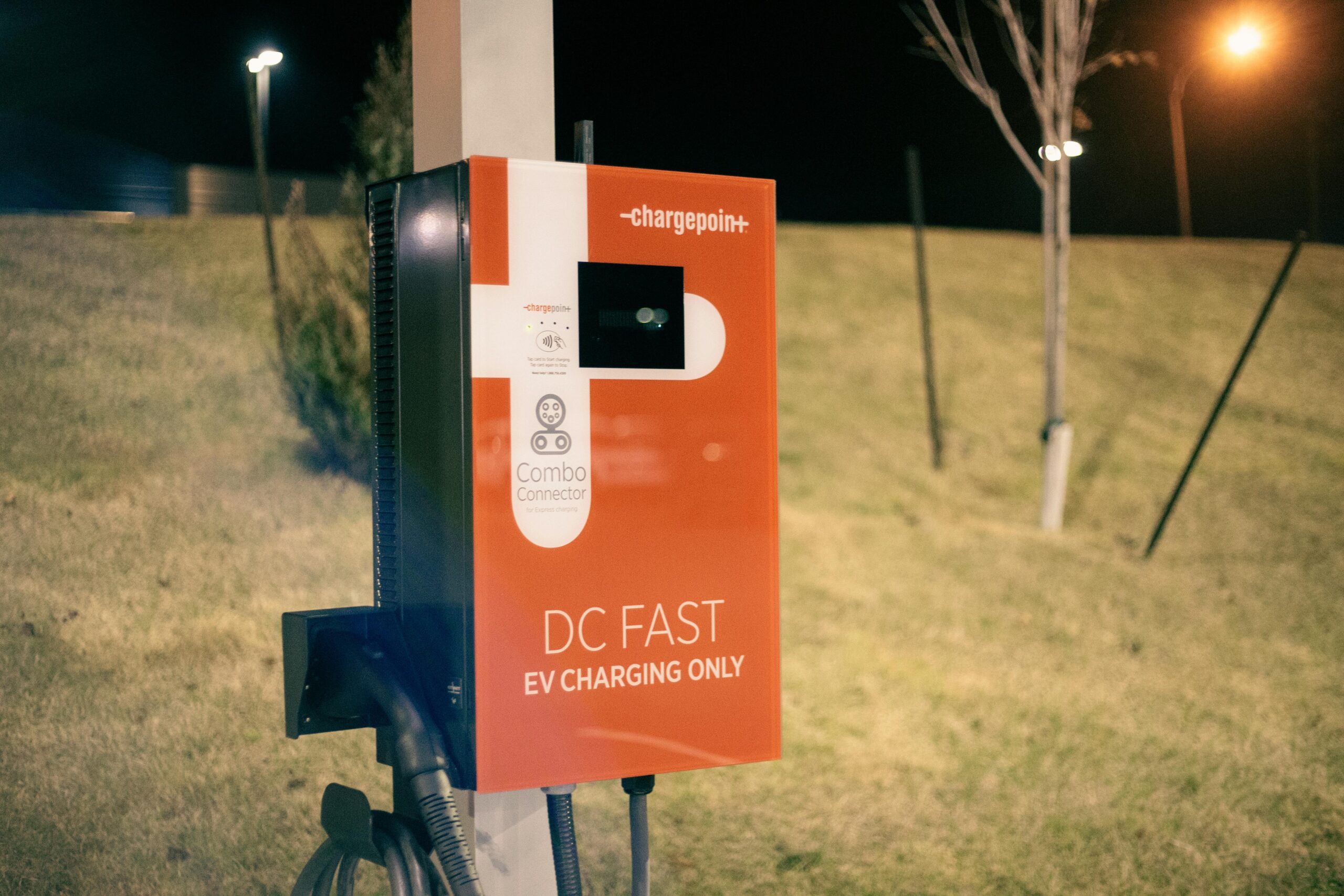
Transportation accounts for a substantial portion of urban resource consumption and emissions. Circular mobility prioritizes shared, electric, and active transportation modes while designing vehicles for longevity, repair, and eventual material recovery.
Cities like Barcelona have dramatically expanded bicycle infrastructure and pedestrian zones, reducing car dependency while improving public health. Electric vehicle sharing programs provide convenient access to transportation without the resource intensity of individual ownership. Mobility-as-a-service platforms integrate various transportation modes into seamless, user-friendly systems.
Vehicle design itself is evolving toward circular principles. Electric vehicles simplify mechanics and extend lifespans, modular platforms allow component upgrades rather than complete vehicle replacement, and battery second-life applications create value after automotive use ends. Some manufacturers now design vehicles specifically for disassembly, with standardized components and material tracking systems built in from the start.
🍃 Creating Circular Food Systems
Food systems represent a critical leverage point for urban circularity. Cities consume enormous quantities of food while generating substantial organic waste. Circular approaches reconnect these flows, transforming waste into resources while enhancing food security and urban greening.
Urban agriculture takes diverse forms—rooftop gardens, vertical farms, community gardens, and productive landscapes in parks and along streets. These initiatives reduce transportation distances, create fresh food access in underserved neighborhoods, manage stormwater, reduce urban heat island effects, and provide community gathering spaces.
Organic waste management closes nutrient loops. Composting programs return nutrients to urban agriculture, anaerobic digestion produces renewable energy and fertilizer, and insect farming converts food waste into protein and soil amendments. Milan’s food waste collection program diverts over 100,000 tons annually from landfills, creating compost that supports regional agriculture.
Some cities are exploring even more innovative approaches. Aquaponics systems combine fish farming with vegetable production in closed loops. Vertical farms operate in abandoned warehouses and underutilized structures. Edible landscaping replaces ornamental plantings with fruit and nut trees, berry bushes, and perennial vegetables.
💧 Water as a Circular Resource
Water scarcity affects cities worldwide, yet conventional systems treat water as a linear resource—extract, use once, and discharge. Circular water management recognizes water as a renewable resource to be used multiple times at appropriate quality levels.
Greywater systems capture relatively clean wastewater from sinks, showers, and laundry for irrigation and toilet flushing. Rainwater harvesting reduces demand on municipal supplies while managing stormwater. Advanced treatment enables safe water reuse for industrial processes, irrigation, and even potable purposes.
Singapore’s NEWater program exemplifies advanced water circularity. The city-state treats wastewater to ultra-pure standards, meeting up to 40% of water demand. This closed-loop system enhances water security for a densely populated nation with limited natural water resources.
Green infrastructure approaches integrate water management with urban greening. Bioswales, rain gardens, and constructed wetlands filter stormwater naturally while creating habitat and recreational space. Permeable pavements allow groundwater recharge. These nature-based solutions often outperform conventional grey infrastructure at lower cost.
🔌 Energy Systems and Material Flows
Energy production and consumption intertwine closely with circular economy principles. Renewable energy systems reduce extraction demands and emissions, while circular approaches to energy infrastructure maximize resource efficiency.
Distributed renewable generation—solar panels on rooftops, community wind projects, and small-scale geothermal—creates resilient energy systems while avoiding the resource intensity of centralized fossil fuel infrastructure. Energy storage technologies enable greater renewable integration, with second-life electric vehicle batteries providing cost-effective storage solutions.
District energy systems capture waste heat from industrial processes, data centers, and wastewater treatment facilities to heat buildings and water. Copenhagen’s district heating system supplies 98% of the city with heat largely from waste incineration and industrial heat recovery, dramatically reducing energy consumption and emissions.
Circular economy thinking extends to energy infrastructure itself. Solar panels, wind turbines, and batteries are designed for eventual disassembly and material recovery. Leasing models keep ownership with manufacturers who maintain incentives to create durable, recyclable products.
Digital Technologies Enabling Circularity
Digital innovations accelerate circular economy implementation by improving visibility, coordination, and efficiency across complex urban systems. Smart sensors track resource flows in real-time, enabling optimization and waste prevention. Digital platforms connect users with sharing services, repair providers, and material exchanges.
Blockchain technology creates transparent supply chains and material passports, tracking products from creation through multiple use cycles to eventual recovery. Artificial intelligence optimizes logistics for waste collection, identifies opportunities for industrial symbiosis, and matches supply with demand in secondary material markets.
Digital twins—virtual replicas of physical urban systems—allow cities to model circular interventions before implementation, testing approaches and identifying synergies. These tools help policymakers understand complex system interactions and make evidence-based decisions about circular economy investments.
🤝 Governance and Policy Frameworks
Transitioning to circular cities requires supportive policy frameworks that reshape incentives, establish standards, and coordinate action across stakeholders. Effective governance approaches include several key elements:
- Extended Producer Responsibility: Policies that make manufacturers responsible for products throughout their lifecycle, incentivizing durable, repairable, recyclable design
- Circular Procurement: Public purchasing that prioritizes recycled content, product longevity, and end-of-life recovery, leveraging government buying power to transform markets
- Regulatory Standards: Building codes requiring circular design principles, waste reduction targets with enforcement mechanisms, and material tracking requirements
- Economic Instruments: Tax policies that favor repair over replacement, subsidies for circular business models, and charges on virgin material extraction or waste generation
- Cross-Sector Collaboration: Platforms bringing together government, business, academia, and civil society to coordinate circular economy initiatives and share knowledge
The European Union’s Circular Economy Action Plan demonstrates comprehensive policy integration, establishing targets, standards, and funding mechanisms across member states. Individual cities like Amsterdam, London, and Paris have developed ambitious circular economy roadmaps with measurable goals and implementation timelines.
Economic Opportunities and Job Creation
Far from constraining economic growth, circular economy transitions create substantial economic value and employment opportunities. Repair, refurbishment, remanufacturing, and recycling industries generate more jobs per unit of material than extraction and disposal.
The International Labour Organization estimates that circular economy transitions could create 24 million jobs globally by 2030. These opportunities span skill levels from collection and sorting to advanced manufacturing and systems design. Many circular economy jobs are necessarily local, resisting automation and offshoring pressures that affect other sectors.
Circular business models unlock new value streams. Product-as-a-service models generate recurring revenue while maintaining manufacturer incentives to maximize durability. Sharing platforms improve asset utilization rates. Secondary material markets create value from waste streams. Companies pioneering circular approaches often discover competitive advantages through reduced input costs, enhanced brand reputation, and improved customer relationships.
🌱 Social Equity and Community Engagement
Circular city transitions must prioritize equity to ensure benefits reach all residents, particularly communities historically marginalized in urban planning decisions. Well-designed circular economy initiatives can address inequality while advancing environmental goals.
Community repair cafés provide skill-building and social connection while extending product lifespans. Tool libraries improve access to equipment for households unable to afford ownership. Urban agriculture programs enhance food security in neighborhoods lacking fresh food access. Circular economy job training creates pathways to quality employment for people facing barriers to traditional work.
Participatory planning processes ensure circular economy strategies reflect diverse community needs and values. Co-design approaches engage residents in developing solutions for their neighborhoods. Equitable distribution of circular infrastructure—repair shops, sharing facilities, composting sites—prevents concentrating amenities in already-advantaged areas.
Measuring Progress and Impact
Tracking circular economy progress requires comprehensive metrics beyond traditional economic indicators. Material flow analysis quantifies resource consumption and waste generation. Circularity indicators measure how effectively materials cycle through the economy. Life cycle assessments evaluate environmental impacts across product and service lifecycles.
Cities increasingly adopt circular economy monitoring frameworks. Amsterdam tracks progress across construction, organic waste, consumer goods, and other sectors. London measures circularity through material consumption per capita, waste generation, and adoption of circular business models. These metrics enable evidence-based policy adjustments and demonstrate progress toward sustainability goals.
Qualitative indicators complement quantitative metrics. Community wellbeing measures capture social benefits. Resilience assessments evaluate reduced vulnerability to supply disruptions. Innovation indicators track new circular business formation and technology adoption.
Scaling Solutions Globally: Lessons and Pathways
While pioneering cities demonstrate circular economy possibilities, scaling these approaches globally requires adapting strategies to diverse contexts. Low- and middle-income cities face distinct challenges including informal economies, limited infrastructure investment capacity, and different consumption patterns.
However, these cities also possess advantages. Informal waste collection systems often achieve higher recovery rates than formal systems in wealthier cities. Strong repair cultures maintain products in use longer. Less entrenched linear infrastructure means fewer legacy systems to transform. Development pathways can leapfrog unsustainable models, building circular systems from the start.
International cooperation accelerates circular economy adoption through knowledge sharing, technology transfer, and financial support. City networks facilitate peer learning. Development finance institutions increasingly fund circular economy projects. Multilateral agreements establish standards and coordinate action across borders.
🚀 The Path Forward: From Vision to Reality
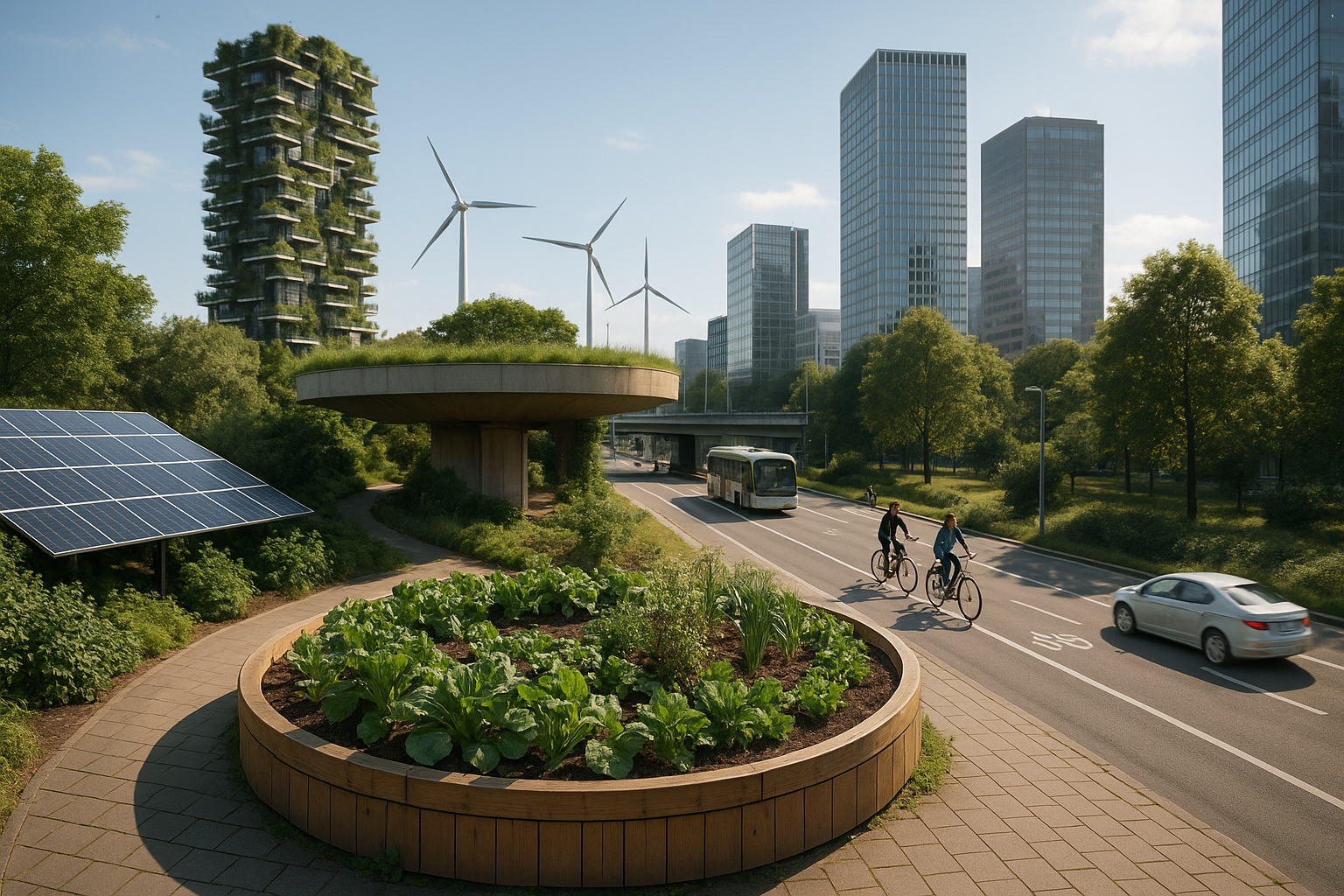
Transforming cities through circular economy principles represents one of the most significant opportunities and challenges of our time. The transition requires systemic change across infrastructure, policy, business models, and culture. Yet the imperative is clear—linear urban development models are environmentally unsustainable, economically vulnerable, and socially inequitable.
The circular economy offers a comprehensive framework for reimagining cities as regenerative systems that enhance rather than degrade the natural environment while improving quality of life for all residents. Pioneering cities worldwide demonstrate that this vision is achievable, creating blueprints others can adapt and scale.
Success requires commitment from all urban stakeholders. Governments must establish enabling policies and invest in circular infrastructure. Businesses must innovate circular products, services, and business models. Citizens must embrace new consumption patterns and participate in circular systems. Together, these actors can revolutionize cities, creating urban environments that thrive within planetary boundaries while offering prosperity and wellbeing for generations to come.
The circular economy transition is not a distant aspiration but an urgent necessity. Cities that embrace this transformation position themselves as resilient, innovative leaders in an increasingly resource-constrained world. Those that delay risk economic decline, environmental degradation, and diminished quality of life. The choice is clear, and the time to act is now.